





Bottle Gourd (Lauki)
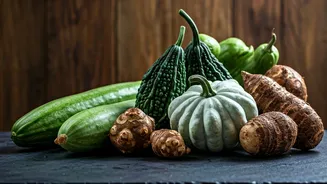
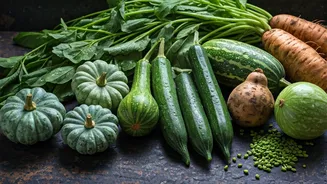
Humble, versatile, and incredibly beneficial, lauki is a superstar of the monsoon season. Composed of over 90% water, it's extremely light on the digestive system and helps keep you hydrated. Its rich fibre content aids in smooth digestion and prevents
constipation, a common complaint during this season. Bottle gourd is also low in calories and packed with essential minerals like calcium, magnesium, and zinc. According to Ayurveda, it has a cooling effect on the body, which helps balance the system during the humid weather. Whether you prepare it as a simple sabzi, add it to dals, or even make a flavourful soup, lauki is a gentle and nourishing choice that your gut will thank you for.
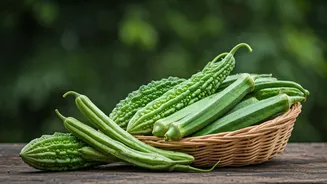
Bitter Gourd (Karela)
Don't let the bitterness scare you away. Karela is an immunity-boosting powerhouse, perfect for warding off monsoon ailments like colds and flu. It's packed with Vitamin C and powerful antioxidants that help fight off infections. Its anti-inflammatory properties are also a major plus. For those managing blood sugar levels, karela is particularly beneficial due to its compounds that mimic insulin. The key to making it palatable is in the preparation. Soaking it in salt water before cooking can reduce the bitterness. Try stuffing it with spices for 'bharwa karela' or slicing it thin and air-frying it for a crispy, healthy snack. Embracing this vegetable is a proactive step towards a healthier monsoon.
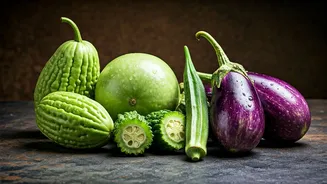
Pointed Gourd (Parwal)
Pointed gourd, or parwal, is another vegetable that thrives in the monsoon and is celebrated for its digestive properties. It’s light, easy to digest, and helps keep the stomach calm. Rich in vitamins A and C, it contributes to a robust immune system. Traditional wisdom suggests that parwal is effective in controlling cough, fever, and cold, making it a valuable addition to your rainy-day diet. It’s also a good source of fibre, which helps cleanse the digestive tract. Parwal is incredibly versatile in the kitchen; it can be fried, used in rich curries, or made into a simple, hearty stew. Its mild flavour allows it to absorb spices well, making it a favourite in many Indian households.
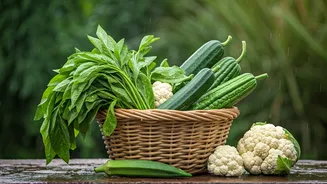
Ridge Gourd (Tori/Turai)
Ridge gourd is a low-calorie, high-fibre vegetable that is excellent for digestive health. Its pulpy, fibrous nature acts as a natural laxative, ensuring the gut stays clean and functional. Like bottle gourd, it has a high water content, aiding in hydration. Furthermore, tori is a great source of Vitamin C and iron, which help bolster the immune system and prevent anaemia. Its blood-purifying properties are another reason it's highly recommended during the monsoon when the risk of skin infections is high. It cooks quickly and has a delicate, slightly sweet flavour. You can add it to sambar, make a simple stir-fry with minimal spices, or cook it with chana dal for a protein-packed meal.
Yam (Suran/Jimikand)
While many root vegetables are best avoided due to the risk of mud and contamination, yam is a notable exception. This starchy vegetable is a great source of complex carbohydrates, providing sustained energy during sluggish monsoon days. It's also fantastic for gut health. Yam is known to boost immunity and has anti-inflammatory properties, making it a protective food. It’s rich in potassium, which helps regulate blood pressure. When buying suran, ensure it's fresh and firm. It must be cooked thoroughly before consumption. It's delicious in curries, can be mashed with spices, or even turned into crispy chips. It’s a hearty, earthy vegetable that provides comfort and nutrition in one package.
Corn (Bhutta)
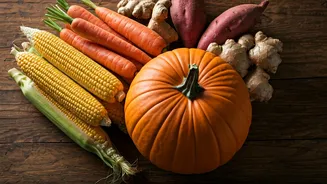
The sight of a roadside vendor roasting bhutta is synonymous with the Indian monsoon. And for good reason—corn is not just a delicious snack but also a healthy one. It is high in fibre, which promotes good digestion. It’s also a good source of antioxidants like lutein and zeaxanthin, which are beneficial for eye health. The carbohydrates in corn provide a quick energy boost to combat the lethargy that often accompanies grey, rainy days. While the classic roasted bhutta with lime and masala is unbeatable, you can also use corn kernels in salads, soups, and sabzis. Opt for fresh corn on the cob rather than processed versions to reap the maximum benefits.