




Beyond the Basic Brew
For years, afternoon refreshment meant a glass of iced tea, often made from a pre-mix and loaded with sugar. It was a simple thirst-quencher. But as palates evolve, so do menus. A new generation of beverages is taking over, offering complex flavours without
the artificial aftertaste. These are botanical infusions—caffeine-free concoctions made from steeping flowers, fruits, herbs, and spices in water. Unlike traditional tea, which comes from the Camellia sinensis plant, these infusions use a garden's worth of ingredients like hibiscus, chamomile, lavender, and rose. This shift reflects a larger trend seen across major cities like Mumbai, Delhi, and Bangalore, where cafe culture is moving towards more artisanal and health-conscious offerings.
The Magic of Cold Brewing
What makes these drinks truly special is the preparation method: cold brewing. Instead of using hot water to quickly extract flavour, cold brewing involves steeping botanicals in cold or room-temperature water for several hours—often between 4 to 12. This slow, gentle process does two important things. First, it prevents the release of tannins, which can make hot-brewed teas bitter or astringent. The result is a remarkably smooth, clean, and nuanced flavour profile. Second, this gentle extraction preserves the delicate aromatic compounds of the flowers and herbs, creating a drink that is as fragrant as it is delicious. It’s a hands-off technique that allows the natural character of the ingredients to shine through.
A Rainbow in a Glass
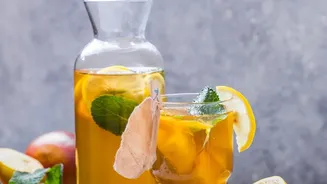
A key part of the appeal is visual. These infusions are stunningly beautiful, making them perfect for social media. Bright pinks from hibiscus and rose, deep blues from butterfly pea flower, and sunny yellows from chamomile and calendula create an entire colour palette in beverage form. Cafes are serving up blends like hibiscus-mint, lavender-vanilla, and lemongrass-ginger. But it's not just about looks. Each botanical brings its own story and perceived wellness benefits. Hibiscus is packed with antioxidants, chamomile is known for its calming properties, and ingredients rooted in Ayurveda like tulsi and ashwagandha are being used for their functional wellness value. These drinks offer hydration with a purpose, aligning perfectly with a modern, holistic approach to health.
The Wellness Wave
So, why is this trend taking hold now? It's happening at the intersection of several cultural shifts. Firstly, there is a growing, global demand for low-sugar and zero-calorie beverage options. Consumers are more aware than ever of what they are putting into their bodies and are actively seeking natural, healthier alternatives to sugary sodas and juices. Secondly, the wellness movement in India has gone mainstream. Concepts from Ayurveda, which has long prescribed cooling herbal drinks for the hot season, are finding a modern audience in urban cafes. Drinks infused with tulsi, mint, and rose are being marketed not just for their taste but for their ability to soothe, balance, and refresh. This makes botanical infusions a guilt-free indulgence that feels both modern and deeply rooted in tradition.
The Future of Cafe Culture
The rise of cold-brewed botanical infusions signifies a new chapter for Indian cafes. Once dominated by coffee and traditional chai, these spaces are transforming into hubs of beverage innovation. By offering unique, customisable, and visually appealing drinks, cafes can provide an elevated experience that goes beyond a simple caffeine fix. These infusions allow for endless creativity, with cafes experimenting with regional ingredients like kokum and jamun to give a distinctively Indian twist to a global trend. It caters directly to a younger demographic that values authenticity, craftsmanship, and new experiences. This is more than just a new drink on the menu; it's a reflection of how India’s urban consumers are choosing to relax, socialise, and quench their thirst.