
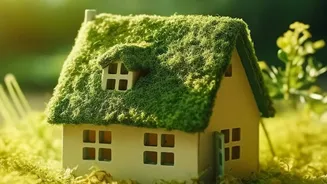
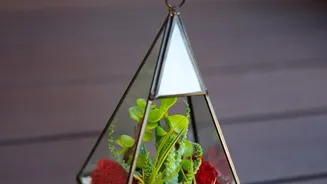
Bringing a piece of the serene, velvety forest floor into your home is easier than you think. An indoor moss garden offers a touch of tranquil greenery, but its success hinges on two key factors: mastering moisture and finding the right light.
Choosing the Right Moss
Not all
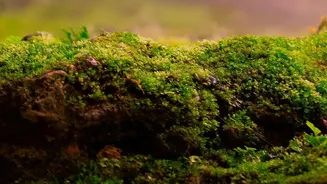
moss is created equal for indoor life. For enclosed terrariums, where humidity is high, look for species like Cushion Moss (Leucobryum glaucum), Sheet Moss (Hypnum imponens), and Fern Moss (Thuidium delicatulum). These varieties thrive in consistently moist, closed environments. Cushion Moss forms lovely dense mounds, while Sheet Moss creates a lush carpet effect. For open containers, which have more airflow and dry out faster, adaptable species like Mood Moss (Dicranum scoparium) are a better choice. Java Moss is another versatile option that can grow on rocks and wood, adding texture to your design.
The Perfect Container and Base
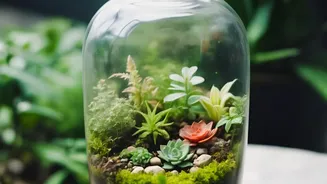
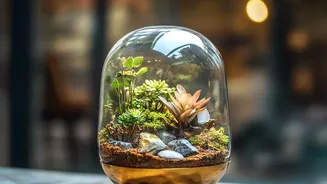
Almost any clear glass container can become a home for your moss garden, from a simple bowl to a lidded jar. A closed container traps humidity, creating a self-sustaining ecosystem that requires less frequent watering. An open container allows for more airflow but will need more regular misting. Regardless of your choice, the foundation is crucial. Start with a drainage layer of small pebbles or gravel about 2-3 cm deep. This gives excess water a place to go, preventing the moss from becoming waterlogged. On top of the pebbles, add a thin layer of activated charcoal, which helps filter impurities and keep the environment fresh.
Substrate and Assembly
Moss doesn't have roots like other plants, so it doesn't need deep, nutrient-rich soil. A shallow layer of a peat-free potting mix, bonsai soil, or coconut coir works perfectly. Moisten the substrate before you begin. When placing the moss, don't bury it. Simply press it gently onto the surface of the soil, ensuring good contact. You can use tweezers or chopsticks to arrange smaller pieces. Consider adding decorative elements like small stones, bark, or driftwood before placing all the moss to create a more natural-looking landscape.
Mastering Moisture Control
The most critical aspect of moss care is maintaining the right moisture level. Moss should be consistently moist but never soggy or sitting in water. Overwatering can lead to mould and rot. The best way to water is by misting with a spray bottle every two to three days, or whenever the surface looks dry. Use rainwater or distilled water whenever possible, as the chlorine and minerals in tap water can harm the moss over time. In a closed terrarium, condensation on the glass is a good sign that humidity is adequate. If you see heavy fogging or water pooling, leave the lid off for a few hours to allow for some evaporation.
Finding the Ideal Lighting
Moss thrives in shade. Strong, direct sunlight will quickly scorch its delicate leaves, causing it to turn brown and dry out. The ideal location for an indoor moss garden is a spot that receives bright, indirect light. A north facing window is often perfect, but any location out of the direct path of the sun will work. If your moss starts to look pale, yellow, or brown, it could be a sign of too much light or incorrect watering.
Long Term Care and Troubleshooting
Moss gardens are famously low maintenance. Beyond watering, your main task is occasional tidying. If the moss becomes overgrown, you can trim it with small scissors. Remove any fallen leaves or debris to prevent mould. If you spot any white, fuzzy mould, it's a sign of too much moisture and not enough air circulation. Remove the affected piece, let the container air out, and reduce your misting frequency. If the moss ever looks pale and brittle, it may be too dry. Try soaking it in water for 15–20 minutes to rehydrate it before returning it to the container.