





The Price on the Sticker Isn't the Real Price
When you buy one kilogram of cauliflower, you don't eat one kilogram of cauliflower. You discard the thick central stalk and some of the outer leaves. The same goes for peeling potatoes, shelling peas, or trimming meat. This difference between what you buy—the
'As Purchased' (AP) weight—and what you actually end up cooking—the 'Edible Portion' (EP)—is a hidden cost that isn't reflected on your grocery bill. Commercial kitchens and chefs are masters at calculating this 'yield percentage' to price their menus accurately, but for the average household, it's a blind spot that can significantly impact a food budget. Understanding this gap is the first step toward truly knowing what you're spending on food.
Understanding 'Preparation Loss'
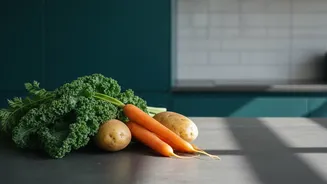
Preparation loss refers to the inedible or unused parts of an ingredient that are removed before cooking. For some vegetables like cucumbers, the loss might be minimal. For others, like leafy greens with thick stems or root vegetables that require extensive peeling, the waste can be substantial. Some studies show that for items like root crops, fruits, and vegetables, this loss can be as high as 40-50% of the initial weight. This means if you buy a kilo of produce for ₹80 and half of it is discarded during prep, the effective cost of the edible portion is actually ₹160 per kilo. Thinking in terms of this 'Edible Portion Cost' (EPC) gives you a far more accurate picture of value. An item that seems cheap per kilo might actually be more expensive once you account for what you throw away before it even hits the pan.
The Second Hidden Cost: Household Use and Waste
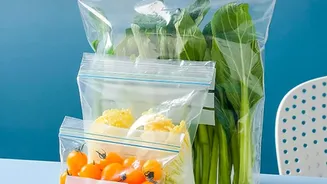
Beyond the unavoidable loss from peeling and trimming, there's the second, more painful cost: food that is purchased but never used. This is food that spoils in the back of the refrigerator, leftovers that are forgotten, or items bought on impulse that you never get around to cooking. Studies show that Indian households waste a significant amount of food annually—one 2023 study cited figures of 40-50 kg per person per year. Another report places the number at around 55 kg per person. This isn't just an environmental issue; it's a direct financial drain. Every vegetable that turns mushy and every container of forgotten leftovers is money straight into the bin. Effective meal planning and better storage habits can drastically reduce this form of waste.
How to Calculate Your True Food Cost
You don't need a complicated spreadsheet to start thinking like a chef. Use a simple mental model. First, estimate the usable portion of an item. For example, if you know that about a quarter of a pineapple is skin and core, its yield is 75%. To find the true cost per kilo, you'd use this formula: (Price per Kilo) / (Yield Percentage). So, a ₹100 pineapple with a 75% yield has a true cost of ₹133 per kilo for the part you eat (100 / 0.75). When you combine this with a conscious effort to reduce household spoilage, your grocery budget starts to make much more sense. The goal is to shift your mindset from 'price per kilo' to 'cost per serving'. A weekly meal plan and a strict shopping list are two of the most powerful tools to combat both over-purchasing and spoilage.
Becoming a Smarter Shopper
Armed with this knowledge, you can make better decisions at the market. A bag of pre-cut, washed spinach might seem more expensive than a fresh bunch, but if the bunch has heavy, unusable stems, the pre-cut version could offer better value. Similarly, buying seasonal produce is not only cheaper upfront but often fresher, leading to less spoilage at home. Strategies like buying staples in bulk (for non-perishable items), properly storing fresh produce, and using a 'first in, first out' system in your fridge can further stretch your budget. By focusing on the edible portion and minimizing what you throw away, you are not just saving money; you are also reducing the significant environmental impact of food waste.