







The Policy Reversal: What Just Changed?
In a significant and timely update for tourists, the Thai government has confirmed that visa-free entry for Indian citizens will continue. This decision, made on July 14, 2026, reverses an earlier proposal from May that had caused considerable uncertainty
and a reported decline in tourist arrivals from India. The previous plan suggested scrapping the visa-free scheme for India and reverting to a more restrictive Visa on Arrival (VoA) system. However, faced with a potential blow to its vital tourism industry—with India being its third-largest market—the Thai cabinet opted to maintain the visa exemption but with revised conditions.
The New Rule: 30 Days Visa-Free
The most crucial change for Indian passport holders is the duration of stay. While the visa-free status is retained, the maximum stay has been reduced from the previous temporary 60-day period to 30 days. This new 30-day visa-exempt stay was approved to better align with the typical travel patterns of Indian tourists, who, on average, visit for about a week. According to Thailand's Tourism Minister, this measure balances supporting the tourism industry with managing entry policies, and it can be reviewed in the future if any issues arise. This change brings India in line with a list of nearly 60 other countries and territories that receive the same 30-day privilege.
Planning for Extended Holidays
For travellers dreaming of a holiday longer than one month, the new 30-day limit is a critical factor. The visa-free scheme will no longer be sufficient for extended stays. If you plan to explore Thailand for more than 30 days, you must apply for a proper tourist visa before you travel. The most common option is the 60-day single-entry tourist visa, which must be obtained from a Royal Thai Embassy or Consulate in India. Attempting to stay beyond the 30-day visa-free limit without the correct visa can result in fines and other legal consequences. Therefore, booking a longer holiday requires advance planning and securing the appropriate visa well ahead of your departure date.
Your Essential Arrival Checklist
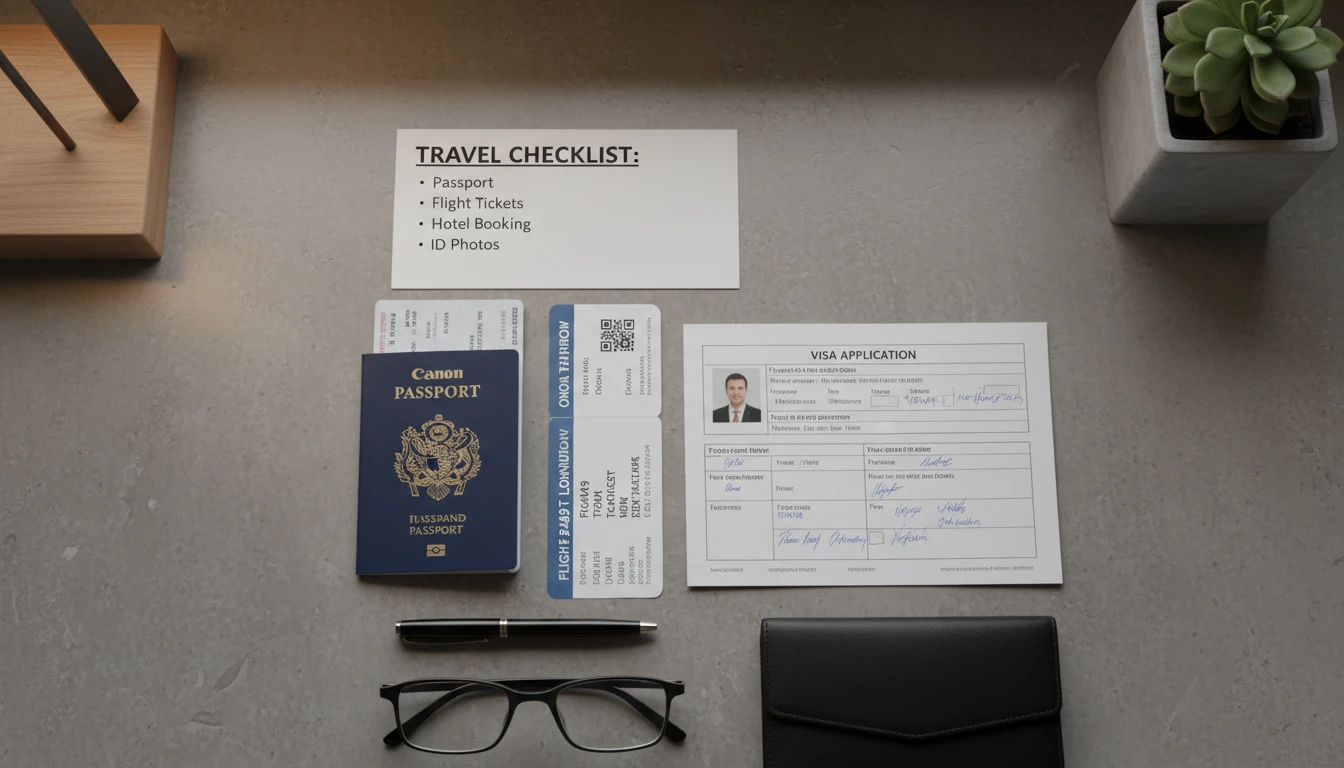
Even with visa-free entry, all travellers must have their documents in order. Upon arrival in Thailand, immigration officials will expect to see a passport with at least six months of validity. You must also carry proof of a confirmed return or onward flight ticket out of Thailand within your 30-day permitted stay. Proof of accommodation, such as hotel bookings, is also a standard requirement. Furthermore, all foreign visitors must complete the Thailand Digital Arrival Card (TDAC) online before arrival. While not always requested, be prepared to show proof of sufficient funds for your trip; immigration officials can ask for it. Carrying all necessary paperwork ensures a smoother entry process.
The Bigger Picture: Tourism and Security
Thailand's visa policy adjustments are part of a broader strategy to balance economic benefits from tourism with national security. The previous, more generous 60-day visa-free scheme for 93 countries was reportedly being misused by some individuals for activities beyond tourism, such as working illegally. By standardising the stay period to 30 days for a revised list of countries, the government aims to prevent such misuse while still encouraging genuine tourism. For India, the decision to retain visa-free access underscores the country's importance as a key tourism market, acknowledging the economic impact of the nearly 20% drop in arrivals that occurred when the policy's future was uncertain.