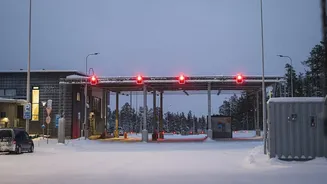




The dream of a Finnish winter is powerful: husky sleds gliding through silent, snowy forests and the Northern Lights dancing overhead. But for many, the reality of visiting Lapland's most famous spots comes with a severe case of sticker shock.
The Lapland Dream vs. The Financial Reality
Finnish
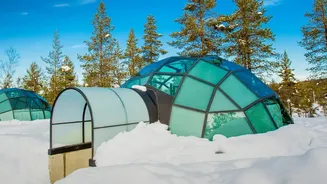
Lapland, particularly the area around Rovaniemi, has been masterfully marketed as the official home of Santa Claus and the ultimate winter wonderland. Destinations like Rovaniemi, Levi, and Saariselkä attract hundreds of thousands of visitors each year, all seeking a magical Arctic experience. This immense popularity, however, has created a premium-priced tourism bubble. While the experiences can be unforgettable, the costs for key activities are steep, and what is often portrayed as a pristine wilderness adventure can sometimes feel commercialised and crowded. Visitors should be aware that while entry to attractions like Santa Claus Village is free, nearly every activity within it comes with a separate, often hefty, price tag.
Breaking Down the Activity Costs
The main strain on a Lapland travel budget comes from the guided activities. A husky safari, a quintessential Lapland experience, can cost anywhere from €130 to over €250 per person for a self-driven tour of a few kilometres. Shorter, musher-driven rides are cheaper but often last only a few minutes, raising questions of value. Similarly, reindeer sleigh rides range from a brief 6-minute loop for €30-€40 to a more immersive farm visit and safari costing €130-€160 per person. Snowmobile safaris typically run from €90 to €160, and guided Northern Lights tours can set you back €80 to €140 or more. For a family of four, a single major activity can easily cost between €600 and €800, a figure that often surprises unprepared travellers.
The 'Overhyped' Factor: Crowds and Commercialism
The feeling that some spots are 'overhyped' often stems from more than just high prices. At peak times, especially in December, tourist numbers in Rovaniemi can be overwhelming, leading to queues and a less-than-tranquil atmosphere. Some visitors and locals express concern that the rapid growth of tourism is leading to over-commercialisation, turning unique cultural experiences into mass-market products. For example, husky sledding is not a traditional part of local Finnish or indigenous Sámi culture but was introduced to meet tourist demand. The most heavily advertised spots, while convenient, can sometimes lack the authentic, peaceful connection to nature that many travellers are hoping for.
Smarter Alternatives for an Authentic Experience
For travellers willing to look beyond the main tourism hubs, Finland offers more affordable and arguably more authentic winter experiences. Towns like Ranua, just an hour from Rovaniemi, provide access to the same types of activities and atmosphere but with fewer crowds and lower accommodation costs. Exploring regions like Northern Karelia, with national parks such as Koli, or the area around Oulu, allows for activities like snowshoeing and cross-country skiing in pristine, quiet landscapes. Even within Lapland, choosing to travel in the shoulder seasons of November, late January, or March can dramatically reduce costs for flights and lodging compared to the December peak. By booking independently, cooking some meals, and mixing paid tours with free activities like hiking in national parks, it's possible to enjoy the magic of a Finnish winter without breaking the bank.