
More Than Just a Beer Festival
For many, Oktoberfest conjures images of endless beer, but for the increasing number of Indian visitors, it represents something much richer. Originating in 1810 as a royal wedding celebration, it has since evolved into the world's largest folk festival.
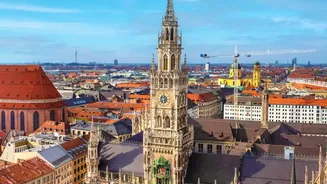
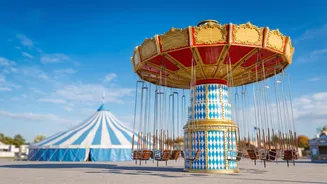
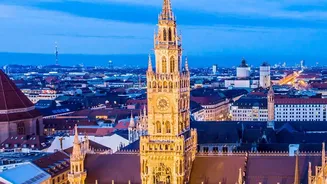
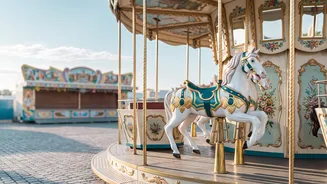
It's a 16- to 18-day cultural spectacle on Munich's Theresienwiese fairgrounds, featuring everything from grand parades and traditional music to sprawling funfair rides and authentic Bavarian cuisine. This blend of organised revelry and deep-rooted tradition offers a unique, immersive experience that goes far beyond a simple beverage festival. Visitors can explore nearly 40 different tents, each with its own atmosphere, run by one of Munich's six official breweries. It is this grand scale and cultural depth that is proving to be a significant draw.
The Perfect Anchor for a Euro Trip
For many Indians, a trip to Europe is a significant investment of time and money, often involving a multi-country itinerary to maximize the value of a Schengen visa. A major, fixed-date event like Oktoberfest provides the perfect anchor point around which to build a larger European holiday. Travel data shows a trend of Indian travellers booking longer stays of 14 nights or more in conjunction with the festival, suggesting they are using Munich as a launchpad for exploring other cities and countries. Planning a trip around a world-renowned festival gives the entire journey a clear purpose and a spectacular highlight. Travel agencies have responded to this demand, offering curated packages that combine a few days at Oktoberfest with subsequent tours of Germany, Austria, or other popular European destinations.
A Shared Love for Grand Celebrations
There's a cultural resonance that makes Oktoberfest particularly appealing to an Indian audience. India's own calendar is packed with vibrant, large-scale festivals that bring communities together with food, music, and joy. The sheer energy and communal spirit of Oktoberfest—where thousands of people from all over the world share long tables, sing along with bands, and celebrate together—finds a familiar echo. This shared love for grand festivities makes the German tradition feel less like a foreign event and more like a global celebration to be a part of. Experts note that as Indians travel more, their exposure to global media and culture has transformed niche events into aspirational 'bucket list' experiences.
The Social Media Effect
In the age of Instagram reels and travel vlogs, the visual appeal of an event is a powerful driver of tourism. Oktoberfest is exceptionally photogenic, from the iconic dirndl and lederhosen outfits to the massive beer steins and brightly lit carnival rides. This creates a wealth of shareable content, and this digital word-of-mouth has made the festival highly aspirational for a younger, digitally-native generation of Indian travellers. Seeing friends or influencers post about their vibrant experiences creates a powerful sense of 'FOMO' (fear of missing out), turning a once-distant festival into an attainable and highly desirable travel goal. This online buzz has played a crucial role in the surge of interest, with bookings from India for the 2026 festival period reportedly jumping by nearly 60 percent.
Growing Accessibility and Confidence
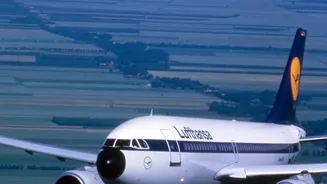
Logistical factors have also made the trip more feasible. Increased flight connectivity, with airlines like Lufthansa operating more frequent flights from Indian hubs like Bengaluru to Munich around the festival period, has eased travel. Furthermore, a high approval rate for Schengen visas from Germany makes it a reliable choice for Indian applicants. There is also a surprising trend in how Indians are travelling to the event. While group tours remain popular, recent data shows that solo travellers account for a significant portion of bookings, indicating a growing confidence among Indians to navigate large international events independently. This combination of easier access and greater travel confidence is paving the way for more Indians to experience the Bavarian celebration firsthand.