




A Foundation Built on History
The story begins over a century ago. The first public film screening in India was held at Mumbai's (then Bombay's) Watson Hotel in 1896 by the Lumière brothers. This early exposure established the city as the birthplace of Indian cinema. Pioneers like
Dadasaheb Phalke, considered the father of Indian cinema, produced the first full-length feature film, 'Raja Harishchandra', in the city in 1913. Bombay’s status as a major port and commercial hub during the colonial era meant it had the wealth, infrastructure, and international connections that fledgling industries need. This created a path of dependence; the industry started here, so the ecosystem grew around it. This foundation was solidified after the Partition of India, which saw an influx of Hindi and Urdu-speaking filmmakers, writers, and artists from Lahore, further cementing the city's cinematic identity.
The Unmatched Infrastructure
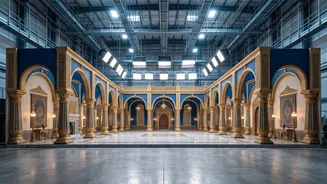
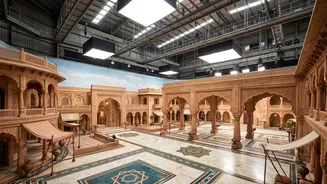
Modern filmmaking is an industrial process, and Mumbai has the machinery. The city is home to an unparalleled concentration of physical and technical infrastructure. The most significant is Dadasaheb Phalke Chitranagari, better known as Film City, a sprawling 500-acre complex with dozens of sound stages and permanent outdoor sets ranging from village landscapes to hospital interiors. Beyond this government-supported facility, a dense network of private studios, post-production houses specializing in editing and visual effects, equipment rental companies, and sound mixing labs are all clustered within a few square kilometres. This proximity creates massive efficiencies. A director can wrap a shoot, head to a nearby studio for dubbing, and then meet a visual effects supervisor, all in a single afternoon. No other Indian city can offer this level of integrated, high-end film infrastructure.
The Power of Human Networks
More than just studios and cameras, Bollywood runs on relationships. The term “creative networks” refers to the intricate web of social connections that drive the industry. This is an ecosystem where deals are sparked at parties, collaborations are born from friendships, and careers are launched through personal introductions. Aspiring actors, writers, and directors flock to Mumbai not just for auditions, but for the chance to be in the right room at the right time. The city's geography facilitates this, with industry players often living and socialising in specific neighbourhoods like Bandra and Juhu. This concentration of talent creates a powerful feedback loop: producers are here because the talent is here, and talent comes here because the producers are here. It forms an intangible but critical barrier to entry for any other location.
Where the Money Resides
Ultimately, films need funding, and Mumbai is India’s undisputed financial capital. Major production houses like Yash Raj Films, Dharma Productions, and Reliance Entertainment are headquartered in the city. Beyond these giants, a complex ecosystem of private financiers, film finance agents, and corporate investors is based in Mumbai. The city's role as the nation's economic engine means that those with capital to invest in high-risk, high-reward film projects are already present. The recent influx of money from OTT platforms like Netflix and Amazon, which have also established their Indian headquarters in Mumbai, has only reinforced this financial dominance. They partner with local production houses to create a steady stream of content, ensuring the flow of money—and by extension, power—remains firmly in the city.