





The Rise of the Eco-Nomad
For years, Thailand has been a haven for digital nomads—freelancers, entrepreneurs, and remote workers drawn by the low cost of living, vibrant culture, and reliable internet. But a new wave of traveller is looking for more than just cheap beer and fast
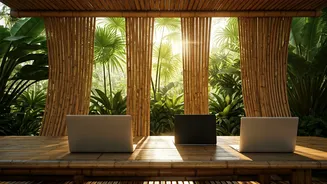
Wi-Fi. They are the eco-conscious nomads, a growing tribe that seeks to blend their work-from-anywhere lifestyle with a deep commitment to sustainability. They want to live and work in places that align with their values, minimising their environmental footprint while maximising their connection to nature and local communities. This desire has given rise to a unique phenomenon: zero-waste community hubs built almost entirely from bamboo.
Why Bamboo is the Star
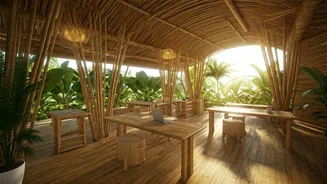
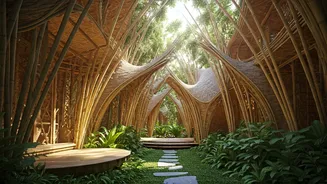
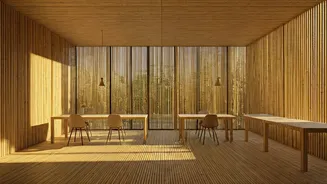
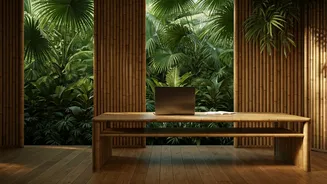
At the heart of these spaces is bamboo, a material that is as beautiful as it is sustainable. Often called 'green steel,' bamboo is one of the fastest-growing plants on Earth, capable of reaching full maturity in just a few years, compared to decades for traditional hardwoods. It requires no pesticides, self-regenerates after harvesting, and absorbs more carbon dioxide than many other trees. Architects in Thailand are pushing the boundaries of what’s possible with this humble grass, creating breathtaking structures that are both organic and modern. Flowing roofs, soaring arches, and open-air pavilions define the aesthetic, blurring the line between indoors and outdoors. These buildings don't just house people; they breathe with the environment, offering natural ventilation and a constant connection to the surrounding landscape.
Living the 'Zero Waste' Philosophy
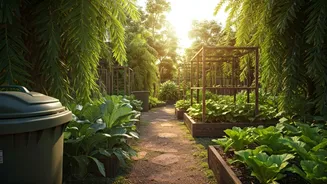
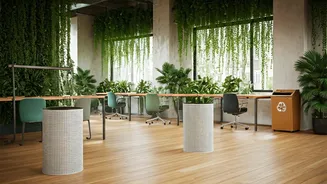
The term 'zero waste' is more of a guiding principle than a literal, absolute state. For these hubs, it represents a holistic approach to consumption. It starts with the construction itself, using locally sourced, renewable materials. Operationally, it translates into a host of thoughtful practices. Food is often grown on-site in organic gardens, with scraps composted to enrich the soil. Single-use plastics are strictly forbidden, replaced by reusable containers and locally made alternatives. Advanced systems for rainwater harvesting and greywater recycling are common, minimising the strain on local water resources. The entire ecosystem is designed to be a closed loop, where waste is not just managed but seen as a resource. It's a philosophy that extends to the community, encouraging residents and visitors to be mindful of their consumption.
More Than a Desk, a Community
While the architecture is stunning and the principles are noble, the real draw for many is the sense of community. These are not just co-working spaces; they are co-living environments. Nomads share communal kitchens, attend workshops on permaculture or traditional crafts, practice yoga in open-air shalas, and collaborate on projects. The shared commitment to a sustainable lifestyle creates a powerful bond, fostering a supportive network far from home. This is a stark contrast to the often-isolating experience of remote work. Here, the focus is on connection—to nature, to one's work, and to each other. It's a space where a morning brainstorming session can be followed by an afternoon harvesting vegetables for the communal dinner.
A Blueprint for a New Way of Working?
Located primarily in areas like Chiang Mai, these bamboo hubs are currently a niche phenomenon. They cater to a specific demographic that has the privilege to choose not only where they work but how their work environment impacts the planet. However, their influence may be much larger. They serve as a powerful proof of concept, demonstrating that sustainable design and community-focused living can be successfully integrated with the demands of modern remote work. As more people seek purpose and meaning in their professional lives, and as the climate crisis demands innovative solutions, these Thai bamboo hubs offer an inspiring glimpse into a future where our workspaces can help heal the planet, rather than harm it.