






The Challenge: Maintaining Energy While Fasting
Navratri fasting involves a significant shift in diet, with many staple grains and vegetables off-limits. This change can often lead to fatigue, headaches, and a general lack of energy, making it difficult to keep up with daily routines and festive activities.
The secret to a successful and energetic fast isn't about eating more; it's about eating smarter. Focusing on nutrient-dense, permissible foods can provide sustained energy, keep you feeling full, and make the fasting experience a positive one. By choosing ingredients that are easy to digest and packed with the right kind of fuel, you can avoid the energy slumps and enjoy the nine days of celebration to the fullest. The goal is to nourish your body with wholesome foods that support your fast, rather than depleting your reserves.
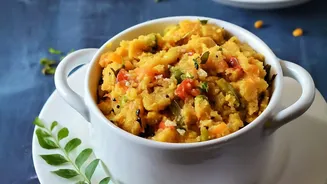
Energy Hack 1: Power-Packed Sabudana Khichdi
Sabudana, or tapioca pearls, is a fasting superstar for a reason. It is rich in carbohydrates, providing a quick and sustained source of energy. When you need an instant boost to get through the day, a bowl of sabudana khichdi is an excellent choice. It is also gluten-free and easy on the stomach, which helps prevent the digestive discomfort that can sometimes accompany fasting diets. For a balanced meal, prepare your khichdi by soaking the pearls until they are soft and fluffy. Sauté them in ghee with cumin seeds, boiled potatoes, and green chillies. A crucial addition is roasted peanuts, which not only add a satisfying crunch but also provide protein and healthy fats, helping you feel full for longer. A final squeeze of lemon juice brightens the flavours and completes this energising dish.
Energy Hack 2: Wholesome Kuttu Puris
Kuttu ka atta, or buckwheat flour, is another Navratri essential that is perfect for maintaining energy levels. Despite its name, buckwheat is not related to wheat and is naturally gluten-free. It is a pseudocereal packed with complex carbohydrates, high-quality plant-based protein, and dietary fibre. This combination ensures a slow release of energy, preventing the sudden spikes and crashes associated with sugary foods. Kuttu is also a good source of minerals like magnesium and iron, which help fight fatigue. To make soft kuttu puris, you can create a dough using the flour, boiled and mashed potatoes or arbi (taro root), rock salt (sendha namak), and warm water. The potato acts as a binding agent, making the gluten-free dough easier to roll. Deep-fry the puris in ghee until they are crisp and puffed. Pair them with a simple vrat-friendly aloo sabzi or a bowl of cooling curd to create a complete and nourishing meal.
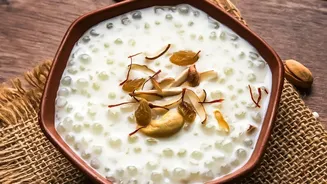
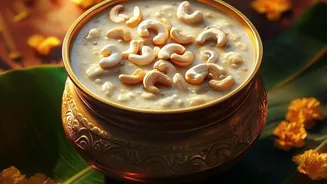
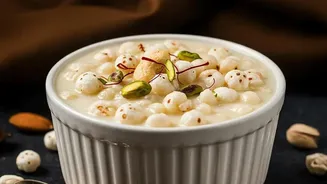
Energy Hack 3: Creamy and Comforting Makhana Kheer
Makhana, or fox nuts, are light, crunchy, and incredibly nutritious, making them an ideal snack and dessert ingredient for fasting. They are low in calories but rich in protein, fibre, and essential minerals like magnesium, potassium, and calcium. This nutrient profile helps maintain energy, supports muscle function, and keeps you feeling satisfied without feeling heavy. For a delicious and energy-boosting dessert, makhana kheer is a perfect choice. To prepare it, start by roasting the makhana in a little ghee until they are crisp. Grind about half of the roasted makhana into a coarse powder, which will help thicken the kheer. Simmer full-fat milk and add the makhana powder along with the whole roasted nuts. Sweeten with sugar and flavour with cardamom powder and saffron. This creamy pudding is not only a treat for the taste buds but also a comforting way to replenish your energy reserves.
More Tips for an Energetic Fast
Beyond these specific dishes, a few general principles can help you stay energised throughout Navratri. Hydration is key; drink plenty of water, coconut water, or buttermilk to avoid dehydration-induced fatigue. Incorporate plenty of fruits and vegetables into your diet. Fruits like bananas and apples offer a quick natural sugar boost, while vegetables like bottle gourd and pumpkin provide essential nutrients. Instead of consuming one or two large meals, try eating smaller, more frequent portions to maintain stable energy levels and prevent bloating. Finally, opt for healthier cooking methods like roasting, baking, or air-frying instead of deep-frying to keep meals light and easy to digest.