



The Trend Bubbling Up Online
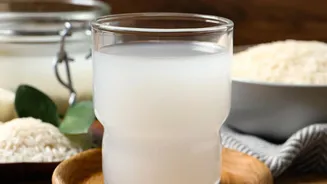
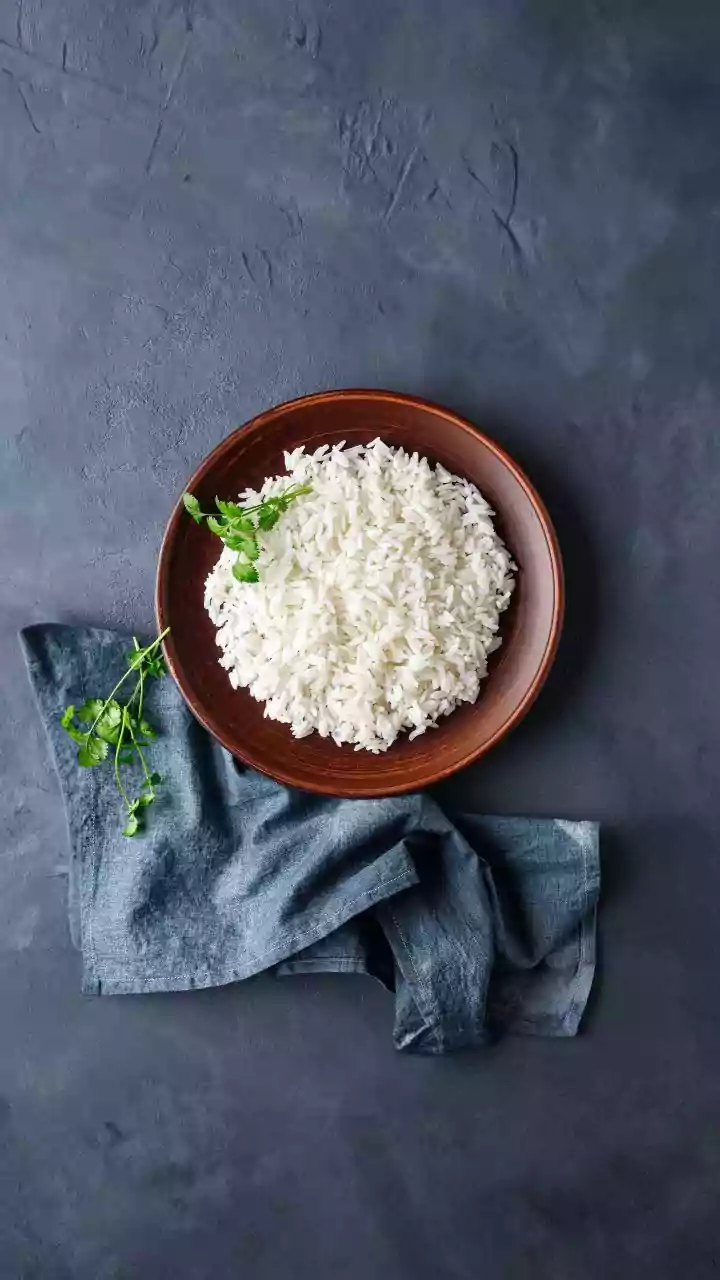
Wellness influencers and health-conscious creators are popularizing a seemingly simple concoction: fermented rice water. The process involves soaking cooked or raw rice in water for hours or even a couple of days, allowing it to ferment at room temperature.
This cloudy liquid is then consumed, often on an empty stomach, with claims of it being a potent elixir for the digestive system. Nutritionists on social media platforms are touting it as a natural probiotic that can rebalance your gut, reduce inflammation, and ease issues like bloating and acidity. The appeal lies in its simplicity and accessibility—a wellness hack that can be made with a common kitchen staple.
An Ancient Tradition, Not Just a Trend
While it may be new to your social media feed, consuming fermented rice beverages is a tradition with deep roots across Asia. In India, a version called Neeragaram or Pazhaya Soru has been consumed for generations as a source of energy and to maintain gut health. Historically, it was a staple for farmers to energize them for a day of labor. Variations are found across the continent, from 'panta bhat' in Bengal to 'amazake' in Japan, a sweet, low-alcohol drink made from fermented rice that dates back over a thousand years. Archaeological evidence even suggests that a fermented beverage of rice, honey, and fruit was produced in China as early as 7000 BCE. This long history shows its cultural significance far beyond a fleeting wellness fad.
The Science of Fermentation and Gut Health
The core of the health claims revolves around the process of fermentation. When rice water ferments, beneficial bacteria like Lactobacillus grow, turning it into a source of probiotics. Probiotics are live microorganisms that help maintain or restore the community of good bacteria in your gut. Beyond probiotics, the fermentation process also creates 'postbiotics'. These are the metabolic byproducts, such as short-chain fatty acids like butyrate, which have anti-inflammatory effects and can help strengthen the intestinal barrier. Fermentation also breaks down phytic acid in rice, which can otherwise hinder the absorption of important minerals like iron and zinc. Additionally, it can increase the bioavailability of certain B vitamins.
What the Science Says About Rice Water
While the general benefits of fermented foods are well-established, specific scientific research on fermented rice water is still emerging but promising. A 2024 study highlighted that biomolecules in fermented rice water help protect colon cells from inflammation and promote the health of the gut lining. Another study on patients with Irritable Bowel Syndrome (IBS) found that a fermented rice drink helped reduce abdominal bloating and increased beneficial gut bacteria like Blautia, which is associated with reduced visceral fat. However, it's important to note that many of these studies are preliminary or look at specific, commercially prepared formulations, not necessarily homemade versions. While traditional use points to benefits, large-scale clinical trials in humans are still needed to make definitive health claims.
Risks and Considerations
Making your own fermented rice water at home is not without risks. The main concern is contamination. Leaving rice water to ferment at room temperature can create an environment for harmful bacteria to grow alongside the beneficial ones, potentially leading to foodborne illness. Furthermore, some experts caution against daily consumption, advising it be used occasionally, as the high starch content may not be suitable for everyone. Rice is also known to accumulate arsenic from the soil, and studies have shown that the water from boiled rice can contain levels of arsenic that exceed permissible values for drinking water. Therefore, caution is advised, and relying on it as a primary treatment for chronic gut issues is not recommended without professional guidance.