






From Crowded Bars to Deeper Bonds
The quintessential beach holiday often involves navigating packed clubs and tourist-heavy strips. While fun, these environments can be surprisingly isolating for a group. Conversations are shouted over music, and shared experiences are often limited to the next
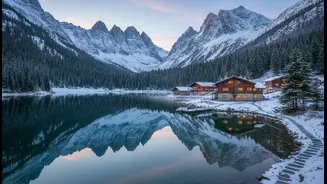
round of drinks. Alpine retreats offer a compelling contrast. Stripped of constant external stimuli, group dynamics shift. The shared challenge of a long hike, the quiet collaboration of cooking a meal in a remote cabin, or simply watching the stars in an unpolluted sky fosters a different, deeper kind of connection. It moves the focus from a collective social scene to strengthening the bonds within the group itself, a priority for a generation that increasingly values meaningful connection.
Wellness as an Action, Not an Amenity
Wellness has been a travel buzzword for years, but its meaning is evolving. For many, the 'wellness' offered at a commercial beach resort—spa treatments and poolside yoga—can feel passive and superficial. Millennials are increasingly drawn to a more active and holistic form of well-being. Mountain retreats are inherently aligned with this shift. Wellness here isn't an add-on; it's the entire point. It’s the physical exertion of ascending a trail, the mental clarity that comes from a digital detox, and the emotional resilience built by stepping out of one's comfort zone. Unlike a vacation that requires a 'detox' afterward, these trips are designed to be genuinely restorative, resetting mind and body through challenge and tranquility.
The Quest for Authentic Experiences
Millennials and Gen Z are often called 'experience collectors', prioritizing memories over material goods. They crave authenticity, a quality that can be hard to find in a beach town dominated by international chains and tourist traps. A trip to a commercial beach can feel generic, an experience easily replicated anywhere in the world. Alpine regions, by contrast, often provide a stronger sense of place. Staying in a small mountain village, eating at a family-run restaurant, and learning about the local ecology offers a unique, less commercialized adventure. This aligns with a growing desire for travel that feels personal and transformative, rather than a pre-packaged product.
A New Kind of ‘Return on Investment’
While millennials are often seen as price-sensitive, they are willing to spend on experiences they deem valuable. A week of sunbathing and partying can feel fleeting, with little to show for it beyond a tan and a credit card bill. An alpine retreat, however, often provides a better 'return on experience.' The skills learned, the physical challenges overcome, and the profound sense of accomplishment create lasting memories and build confidence. Furthermore, while the initial optics of a remote cabin might seem expensive, they can often be more cost-effective for a group than booking multiple hotel rooms, dining out for every meal, and paying for overpriced activities at a commercial resort. The ability to self-cater and enjoy nature's free entertainment—the views, the trails, the fresh air—changes the economic equation.
Crafting a Better Travel Story
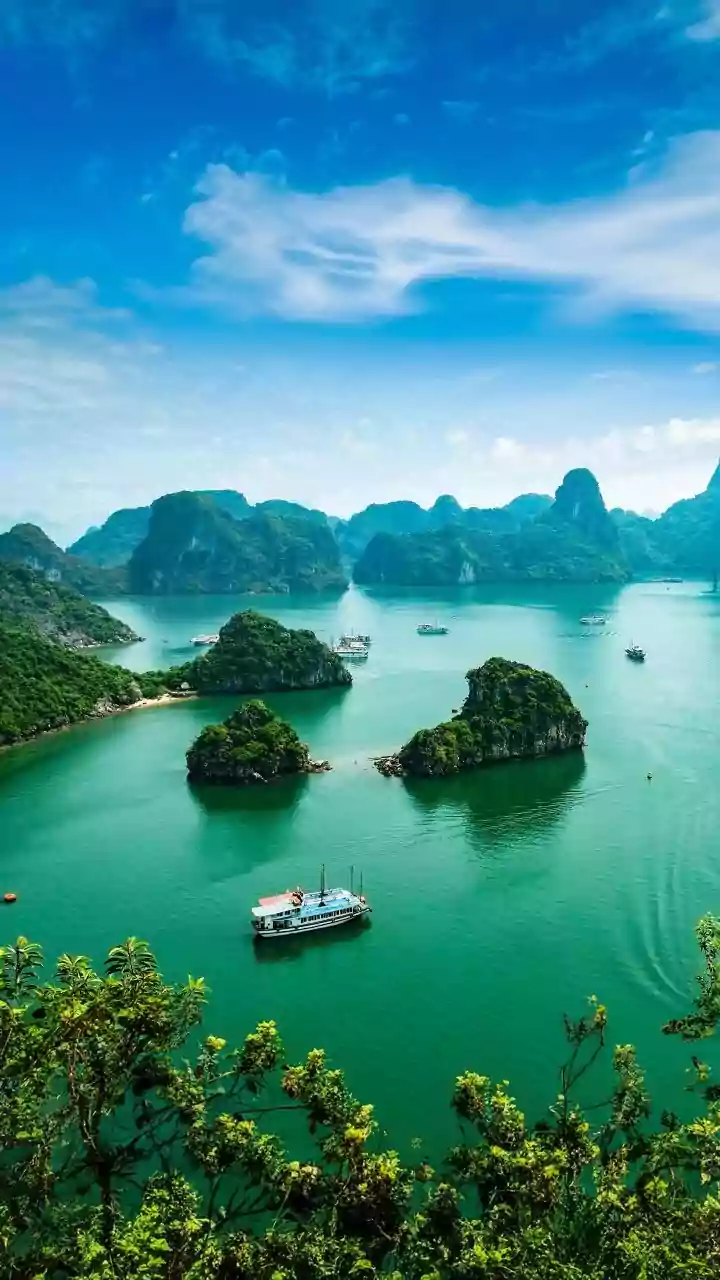
In an era where travel is shared visually, the currency of a good trip is a great story. Social media has a huge influence on destination choice for millennials. While the turquoise water and white sand of a tropical beach are undeniably beautiful, they have also become a visual cliché. The narrative is simple: relaxation, luxury, party. A mountain journey offers a more complex and compelling story. Photos from an alpine trip tell a tale of adventure, challenge, perseverance, and awe. The backdrop isn't just a pretty scene; it's a character in the story. For a generation that uses social platforms not just to show off but to shape their identity, the epic, narrative-rich potential of a mountain retreat is proving far more valuable than a generic sunset selfie.