






A Pavlovian Response to Rain
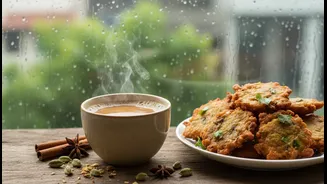
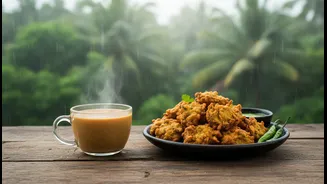
It happens so reliably it feels like an unwritten rule of the Indian monsoon. As the first downpour of the season begins, a collective, nationwide craving for chai and pakoras awakens. It’s a response so deeply ingrained it’s almost Pavlovian; the sound
of rain becomes a trigger, and the immediate thought is of a steaming cup of tea paired with freshly fried fritters. This isn't just about hunger. It’s a multisensory experience where the brain, conditioned by years of memory and tradition, connects the damp, cool weather with the specific comfort found in this combination. The craving feels incredibly real because our brains eat with memories, emotions, and habits, all of which are activated by the arrival of the monsoon.
The Science of Comfort
There's a scientific basis for this seasonal urge. When the weather gets cooler and damper, our bodies instinctively crave energy-dense foods to help maintain core body temperature. Hot, fried foods, packed with carbohydrates and fat, are perfectly suited for this. Furthermore, gloomy, overcast days can lead to a dip in serotonin, the brain's 'feel-good' chemical. Comfort foods, especially carbohydrates, can help give serotonin levels a temporary boost, making us feel happier and calmer. The spices in the mix, like ginger in the chai and chillies in the pakora batter, also provide a sense of warmth, making the pairing feel like self-medication against the chill. So, when you reach for that fourth pakora, you're not just being indulgent; you're responding to genuine biological and psychological signals.
A Symphony of Spice and Crunch
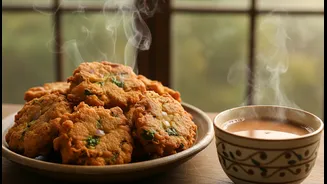
The magic lies in the contrast. The soft, damp atmosphere of a rainy day is perfectly countered by the crispy, crunchy texture of a pakora. These fritters, known by various names like bhajji, bhajiya, or bora across different regions, are typically made from a spiced gram flour (besan) batter. The fillings are a testament to India's culinary diversity, ranging from the ubiquitous onion and potato to spinach, paneer, cauliflower, and even banana flowers. In Maharashtra, the spindly onion kekda bhaji is a favourite, while Bengal cherishes its eggplant begunis. Paired with a robust masala chai, brewed with spices like ginger, cardamom, and cloves, the combination becomes a perfect symphony of flavours and textures that warms from the inside out.
More Than Just a Snack
Ultimately, the ritual of chai and pakoras is a social one. It’s rarely a solitary act. The suggestion, “Should we make some pakoras?” is an invitation to gather, to share, and to connect. It’s a tradition that brings families and friends together, huddled by a window to watch the rain fall, sharing stories over a communal plate of snacks. These foods are deeply entwined with nostalgia, evoking memories of childhood, school holidays, and grandparents' kitchens. For many, the craving isn't just for the food itself, but for the feelings of comfort, safety, and togetherness associated with it. The aroma of frying pakoras and brewing tea becomes the scent of home, a sensory anchor to happy memories.
A Taste of Home, Anywhere
This powerful connection transcends geography. For the Indian diaspora around the world, a grey, rainy day—be it in London, Toronto, or Sydney—can instantly trigger a longing for this taste of home. While the monsoon itself may be a distant memory, the emotional and sensory link remains potent. It's a culinary tradition that has traveled across continents, a simple pleasure that offers a comforting taste of India, no matter how far away one might be. The act of making chai and frying pakoras on a rainy day becomes a way to reconnect with one's roots and relive cherished moments. In the end, the enduring popularity of this combination is a testament to its power: it’s a mix of nostalgia, sensory delight, and cultural ritual that turns a simple rainy afternoon into a special occasion.