

The Sticker Shock of a Single Recipe
It’s a familiar scenario: you find an exciting recipe for Thai green curry or a rich dal makhani. You make a shopping list and head to the store, only to find yourself spending a significant amount on ingredients like a bottle of fish sauce, a large bag
of specific lentils, or a premium jar of asafoetida. The initial thought is often, “This one meal is costing me a fortune!” But this is where our kitchen maths usually goes wrong. We attribute the entire cost of a long-lasting ingredient to the single meal we are about to make. In reality, that bottle of soy sauce will flavour dozens of future stir-fries, and that packet of turmeric will brighten countless curries. The upfront expense is an investment, not a single-meal cost.
Thinking in 'Cost-Per-Use'
The key to understanding your real food expenditure is to shift from thinking about 'cost-per-purchase' to 'cost-per-use'. A ₹150 bottle of good quality sesame oil might seem steep for one noodle dish, but if you get 30 servings out of it, the cost per dish is just ₹5. To calculate this, simply divide the total price of an ingredient by the number of times you realistically expect to use it. For example, if a 5kg bag of basmati rice costs ₹500 and you use approximately 100g per serving, that bag contains 50 servings. The cost of rice per meal is only ₹10. Applying this logic to spices, oils, flours, and condiments reveals that the most flavourful components of a dish are often the most economical in the long run.
Building Your Long-Term Pantry
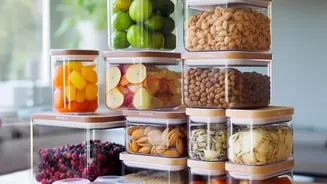
A well-stocked pantry is the foundation of economical cooking. Instead of buying ingredients randomly for each recipe, focus on building a collection of versatile staples that form the backbone of Indian cuisine. This includes whole spices like cumin, coriander, and mustard seeds; ground spices like turmeric and red chilli powder; a variety of dals and lentils; and different types of flour like atta and besan. Having these on hand not only makes it easier to whip up a meal spontaneously but also drastically lowers the cost of each individual dish because you're pulling from your 'kitchen inventory' rather than buying new items every time. A smart pantry is an asset that pays for itself over and over.
The Art of 'Planned-overs'
One of the biggest hidden costs in cooking is not using up what you buy. That half a head of cabbage, the remaining bit of coconut milk, or those wilting herbs in the fridge represent money wasted. This is where creative meal planning comes in. Don't just think about leftovers; think about 'planned-overs'. If you buy a bunch of coriander, plan to use half for a curry and the other half for a chutney or a garnish for dal later in the week. Those extra vegetables from making sambar can become a quick stir-fry or a filling for a vegetable frittata the next day. Techniques like freezing herb stems and vegetable peels to make stock later turn what would be waste into a flavourful, free ingredient for future soups and stews.
From Waste Reduction to Wealth Creation
Adopting a cost-per-use mindset does more than just save you money; it fundamentally changes your relationship with food for the better. It encourages creativity, reduces waste, and makes you a more resourceful cook. Suddenly, stale bread isn't trash—it's the potential for breadcrumbs or croutons. Overripe bananas are not a lost cause but the perfect base for muffins. By seeing ingredients for their full potential over their entire lifespan, you begin to extract maximum value from every rupee spent on groceries. This approach not only slashes your food budget but also contributes to a more sustainable lifestyle by minimising the amount of food that ends up in the bin.