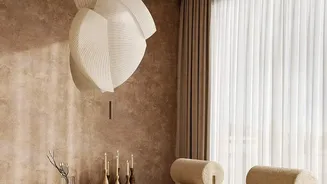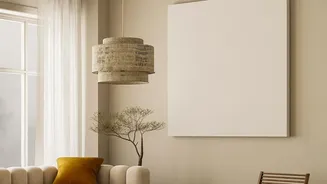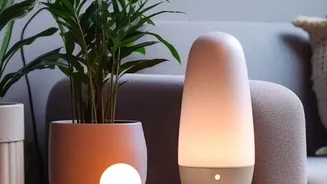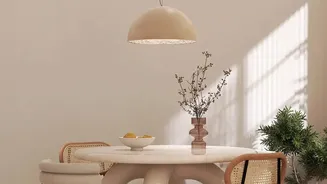




Decorating your first home is exciting, but those empty, awkward corners can be daunting. Before you invest in bulky furniture, consider a simpler solution: a sculptural lampshade. It is a powerful design tool that can turn a neglected space into a focal
point.
The Power of a Statement Corner
For first-time decorators, tackling an entire room at once can feel overwhelming. The beauty of focusing on a corner is that it’s a manageable, contained space. A single, well-chosen object can define the entire area, making it feel intentional rather than empty. A floor lamp with a striking shade not only provides warm, ambient light but also serves as a standalone art piece, drawing the eye upward and adding vertical interest to the room. This approach allows you to experiment with your personal style on a smaller scale before committing to larger, more expensive decor decisions.
What Makes a Lampshade 'Sculptural'?
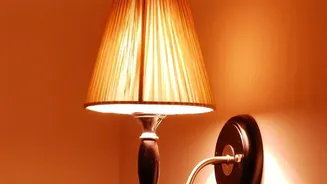
A sculptural lampshade is more than just a cover for a lightbulb; it's a statement piece defined by its unique shape, texture, and form. Forget standard drum or empire shades for a moment and think about more artistic silhouettes. These can range from minimalist geometric shapes, like cut-corner rectangles and squares, to more organic and abstract forms. You’ll find them with interesting details like sharp pleats, scalloped edges, or asymmetrical lines. The purpose of a sculptural shade is to be a focal point that adds personality and sophistication to your space, even when the light is off.
Choose a Material to Set the Mood
The material of your lampshade plays a huge role in the room's atmosphere. Natural fibres are a popular choice for adding warmth and texture. A rattan, burlap, or wood veneer shade can introduce a rustic or bohemian feel, while linen provides a soft, diffused glow perfect for a cosy, inviting ambiance. For a more luxurious or traditional look, consider fabrics like silk or jacquard, which have a subtle sheen. If your style is more modern or industrial, a metal shade can provide a sleek edge, while materials like lace or etched glass can cast beautiful, intricate patterns on the walls.
Getting the Scale and Proportion Right
Choosing the right size is crucial for making your lamp look balanced and intentional. A common guideline is that the width of the lampshade should be roughly twice the width of the lamp's base, and the shade's height should be about two-thirds of the base's height. The bottom of the shade should always be wide enough to hide the lamp's hardware and socket from view. For a corner floor lamp, a larger shade (around 40cm in diameter or more) often works well as a statement piece. If you are ever in doubt, it is often better to choose a shade that is slightly too large rather than one that is too small.
Play with Light, Shadow, and Placement
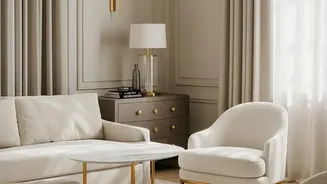
The type of shade you choose will determine the quality of light. Translucent materials like linen or paper will cast a soft, ambient glow throughout the space. Opaque shades, such as those made from dark fabrics or metal, will direct light upwards and downwards, creating a more dramatic, focused pool of light perfect for a reading nook. To complete the look, don’t just place the lamp in the corner by itself. Create a small vignette by pairing it with a small plant, a stack of your favourite books on the floor, or a single piece of art on the wall behind it. This layering makes the corner feel complete.