
Busy weekdays often leave little room for healthy, home-cooked meals. But what if a simple Sunday habit could solve your dinner dilemmas, boost your nutrition, and reduce your food expenses? Enter the world of batch-cooking ancient grains.
What Are Ancient Grains?
The term 'ancient
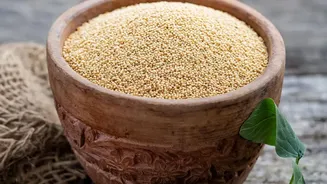
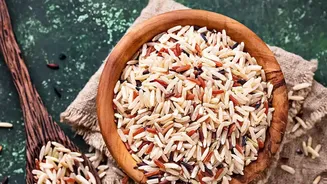
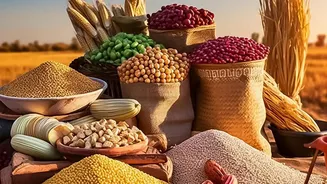
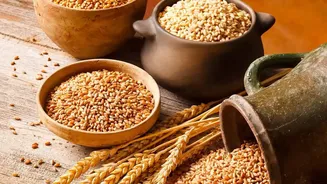
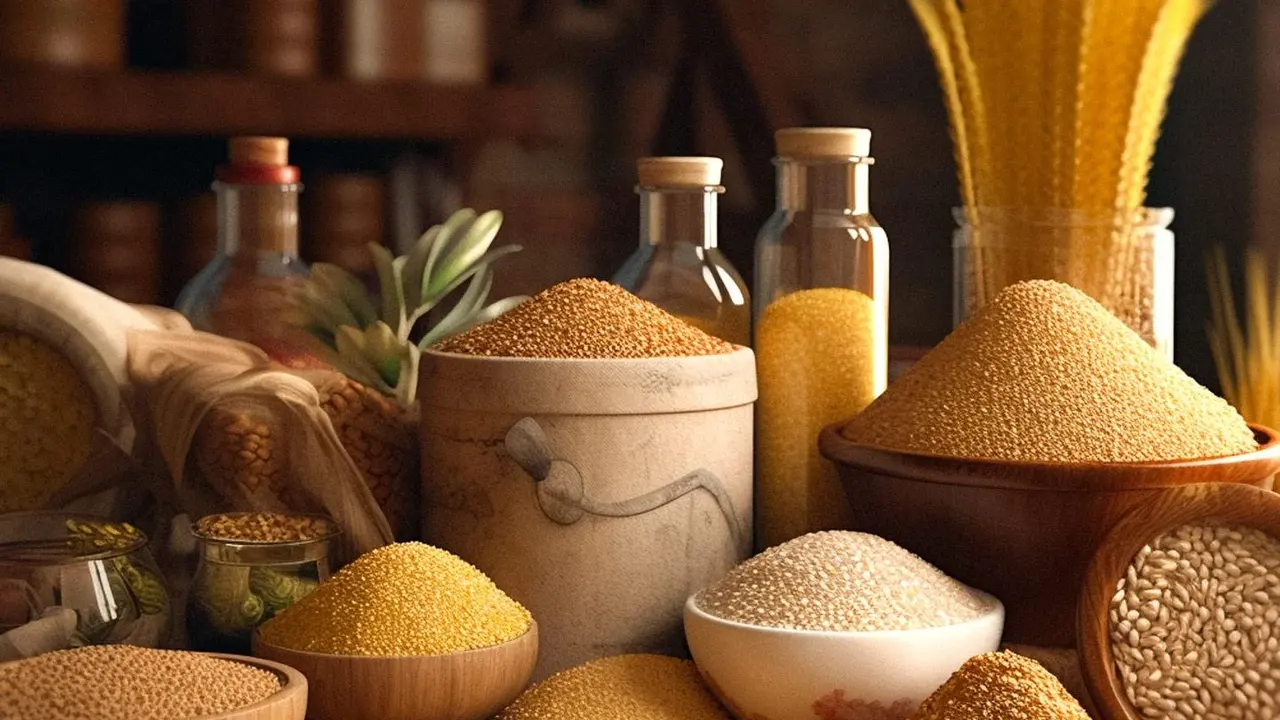
grains' refers to grains that have been cultivated for thousands of years and remain largely unchanged. Unlike modern refined grains, which are often stripped of their most valuable components, ancient grains keep the entire kernel—bran, germ, and endosperm—intact. This means they are packed with more fibre, protein, vitamins, and minerals. For Indian households, this isn't a new trend but a return to our nutritional heritage. Millets like jowar, bajra, and ragi were staples for centuries before mass agriculture shifted focus. Their revival is a nod to the wisdom that diverse, minimally processed grains lead to better health.
Your Go-To Grains for the Indian Kitchen
Getting started is as simple as visiting your local market. Here are a few excellent, readily available ancient grains to stock in your pantry: Jowar (Sorghum): Naturally gluten-free with a light, balanced texture, jowar is a fantastic all-rounder. It's rich in fibre, antioxidants, and B vitamins, making it a great option for everyday rotis, porridge, or even dosas. Bajra (Pearl Millet): Traditionally a winter staple, bajra is an energy powerhouse. It boasts the highest protein and iron content among common millets, making it ideal for those looking to build muscle or boost haemoglobin. Its earthy flavour is perfect for rotis served with a dollop of ghee. * Ragi (Finger Millet): This is the undisputed champion of calcium. Ragi contains significantly more calcium than most other grains, making it excellent for bone health, especially for children and older adults. Its high fibre content also helps keep you feeling full for longer.
The Batch-Cooking Blueprint
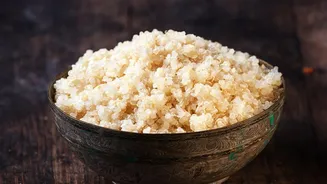
The beauty of batch-cooking is its efficiency; it takes the same effort to cook a large pot as it does a small one. Set aside an hour on a weekend. The basic method works for most grains: rinse the grain, combine it with salted water or broth in a pot, bring it to a boil, then reduce to a simmer and cover until tender. Water-to-grain ratios vary slightly. For quinoa, a 2:1 ratio works well, simmering for about 15 minutes. Millets also cook quickly, typically in 15-25 minutes with a similar 2:1 water ratio. It's best to cook the grains with minimal flavouring—perhaps just salt—to keep them versatile for different recipes throughout the week.
How to Store Your Grains Safely
Proper storage is crucial to keep your cooked grains fresh and safe. Once cooked, let the grains cool down as quickly as possible before storing. Spread them on a baking sheet to speed up the process. Once cooled, transfer the grains into airtight containers. They can be stored in the refrigerator for up to 4-5 days. For longer-term storage, you can freeze them. Portion the cooled grains into freezer-safe bags or containers, remove as much air as possible, and they will keep well for several months. This makes it incredibly convenient to pull out a single serving whenever you need it.
From Prep to Plate: Easy Weekday Meals
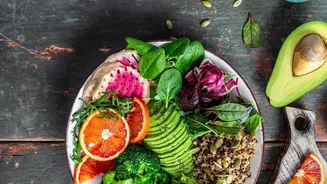
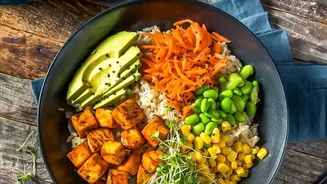
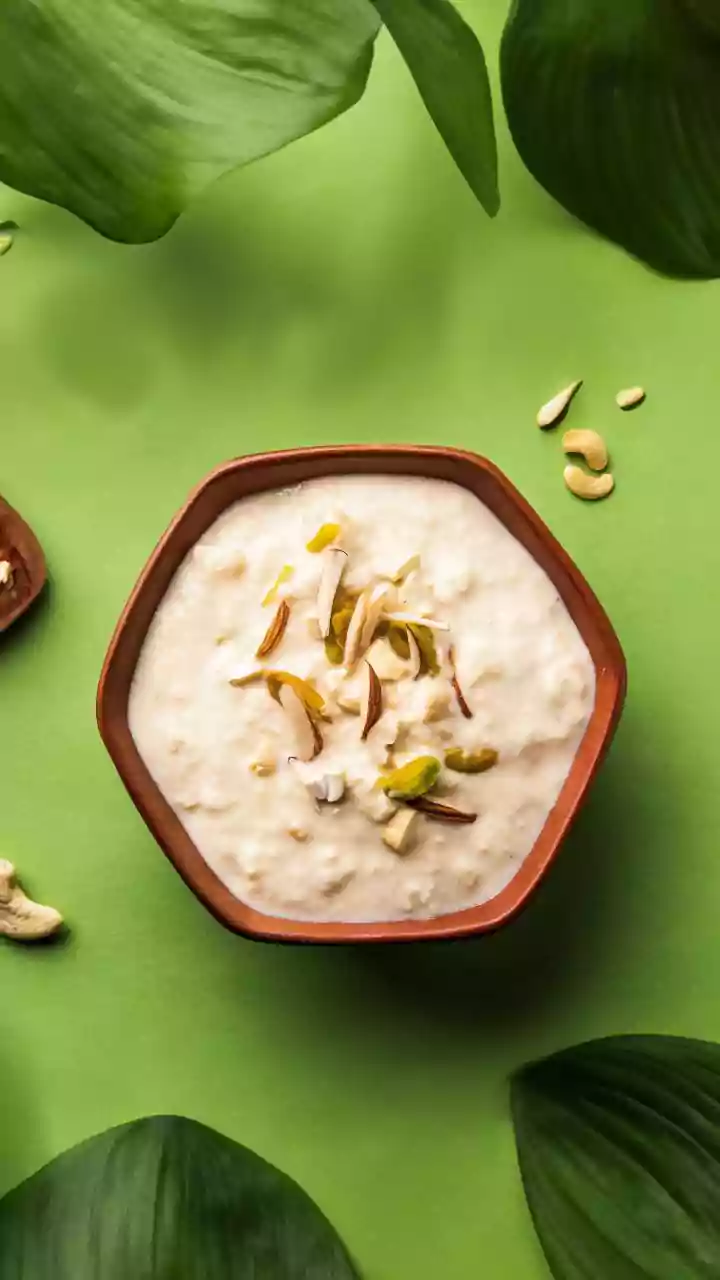
With a container of cooked grains in your fridge, you are minutes away from a healthy meal. Here are some quick ideas: toss them into a salad with chopped vegetables and a simple vinaigrette for a quick lunch; mix them with sautéed vegetables to create a hearty upma or pulao; add a scoop to soups or dals to make them more filling; or simply reheat with a splash of milk and top with fruit and nuts for a nutritious breakfast porridge. Having this base ready makes you far less likely to reach for processed foods or expensive takeaways on busy nights.
The Real Savings: Time and Money
The benefits of batch-cooking extend directly to your schedule and your wallet. By investing a bit of time upfront, you reclaim your weeknights from the stress of cooking from scratch. This habit also significantly cuts down on food costs. Buying dry grains in bulk is much cheaper than purchasing pre-packaged or processed foods. Furthermore, having ready-to-eat components at home means you're less tempted to order expensive takeaways, which can lead to substantial savings over time. It's a simple strategy that reduces food waste, lowers your grocery bill, and frees up your time for other things.