
That pile of old clothes—too precious to discard, yet no longer worn—is a familiar sight in many homes. Before you banish them to storage, consider a more beautiful fate: upcycling them into unique home décor using timeless Indian craft traditions.
The Narrative Stitches of Kantha
Hailing
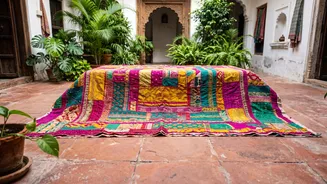
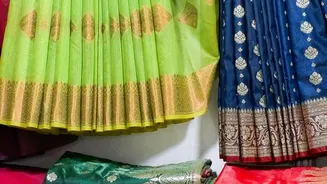
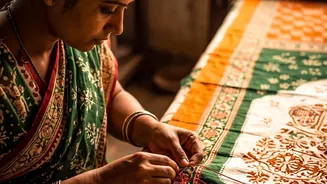
from Bengal, Kantha is a centuries-old embroidery form born from thrift and creativity. Traditionally, women would layer old, soft cotton or silk sarees and dhotis, stitching them together with a simple running stitch to create lightweight quilts and throws. This was not just recycling; it was storytelling, with motifs of birds, flowers, and daily life stitched into the fabric. Today, this technique is perfect for giving new life to your forgotten textiles. You can layer old cotton dupattas or soft sarees to create a one-of-a-kind throw for your sofa. The characteristic wrinkled texture and vibrant, hand-stitched lines add a rich, narrative quality to any room. For a smaller project, use the fabric to craft unique cushion covers or a decorative wall hanging. The beauty of Kantha lies in its simplicity and the stories embedded in its layers.
The Cozy Comfort of Godhadi
From Maharashtra and parts of Karnataka comes Godhadi, a craft that turns scraps into cherished heirlooms. A Godhadi is a hand-stitched quilt made by joining together pieces of refurbished old clothes. Rural women traditionally create these multi-layered blankets from old cotton sarees, shirts, and other household fabrics, piecing them together with loving stitches. The result is an incredibly soft, warm, and durable quilt, perfect for cozying up on a chilly evening. This technique is ideal for upcycling a variety of garments. Gather old cotton t-shirts, worn-out kurtas, and even baby clothes to create a memory quilt that is both functional and deeply personal. The making of a Godhadi is a social activity, often done by women in a community, making each piece a symbol of shared stories and collective effort.
The Vibrant Art of Patchwork and Appliqué
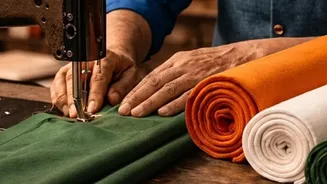
Patchwork and appliqué are ancient techniques found across India, with particularly vibrant traditions in Gujarat, Rajasthan, and Bihar. Patchwork involves sewing small pieces of fabric together to form a larger, patterned whole, while appliqué is the art of sewing smaller fabric shapes onto a larger background cloth. Originally a way to mend and make use of every last scrap of fabric, these techniques evolved into a sophisticated art form used to create everything from decorative hangings to dowry bags. Your own fabric scraps—from old dresses, shirts, or leftover tailoring material—can be transformed using these methods. Create a mosaic of colours and patterns by sewing together different fabric pieces to make stunning cushion covers, tote bags, or even a statement headboard. The bold, graphic nature of appliqué and the geometric charm of patchwork can add a burst of energy and personality to any corner of your home.
Weaving Magic with Chindi Rugs
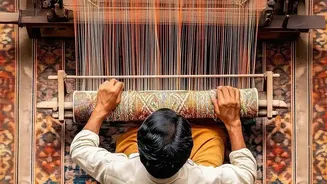
The term 'Chindi' literally means 'scrap' or 'torn piece of cloth', and this craft is a testament to the ingenuity of turning waste into wealth. Practiced widely across India, Chindi work involves weaving or braiding strips of leftover fabric into colourful and durable rugs, mats, and baskets. This was a technique born out of pure frugality, ensuring no piece of textile ever went to waste. You can create your own Chindi-inspired décor by cutting old, non-stretchable clothes like jeans, bedsheets, and curtains into long strips. Braid these strips together and coil them into a colourful floor mat, or weave them on a simple frame to make a sturdy runner. This craft is not only sustainable but also incredibly versatile, allowing you to play with different colour combinations and textures to create a piece that is entirely your own.