







Why Monsoon Disrupts Your Skin
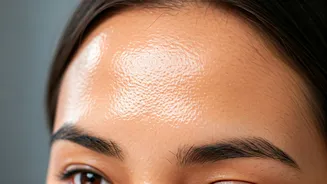
The shift from dry summer heat to the intense humidity of the rainy season creates a challenging environment for your skin. The moisture in the air prevents sweat from evaporating, leaving a sticky film of oil, dirt, and bacteria on your skin. This mixture
clogs pores, leading to blackheads, acne, and a dull complexion. Furthermore, the constant dampness provides a perfect breeding ground for fungi, which is why fungal infections like ringworm and athlete's foot see a significant spike during these months.
Cleanse Gently, But Thoroughly
Cleansing is your first line of defence against monsoon grime. It's crucial to wash your face twice a day to remove the build-up of sweat, oil, and pollutants. However, resist the urge to over-wash or use harsh, stripping cleansers. Doing so can damage your skin's natural protective barrier, leading to irritation and even more oil production. Opt for a gentle, soap-free, or pH-balanced cleanser. For oily or acne-prone skin, a cleanser containing salicylic acid can help keep pores clear.
Switch to a Lightweight Moisturiser
Many people with oily skin are tempted to skip moisturiser during the humid monsoon months, but this is a mistake. When your skin is dehydrated, it can overcompensate by producing more oil. The key is to switch from heavy creams to a lightweight, non-comedogenic (non-pore-clogging) moisturiser. Gel-based or water-based formulas are ideal as they provide necessary hydration without feeling greasy or heavy on the skin. Look for ingredients like hyaluronic acid and glycerin, which hydrate the skin effectively.
Never Skip Sunscreen, Even on Cloudy Days
One of the most common skincare mistakes during the monsoon is skipping sunscreen. Even on overcast or rainy days, up to 80% of the sun's harmful UV rays can penetrate the clouds and damage your skin. Daily sunscreen use is essential to protect against tanning, premature ageing, and other sun damage. Choose a broad-spectrum sunscreen with an SPF of 30 or higher. To avoid a sticky feel, look for lightweight, gel-based, or matte-finish formulas that are comfortable to wear in humid weather.
Exfoliate, But Don't Overdo It
With increased oil production and clogged pores, exfoliation becomes more important during the rainy season. It helps slough off dead skin cells and prevent breakouts. However, it's important to be gentle. Over-exfoliating can irritate the skin and compromise its barrier. Aim to exfoliate once or twice a week with a mild chemical exfoliant containing AHAs (like glycolic acid) or BHAs (like salicylic acid) rather than a harsh physical scrub. This will help keep your skin bright and clear without causing damage.
Preventing Fungal Infections
Fungal infections are extremely common during the monsoon due to the constant dampness. Prevention is key. Always keep your skin as dry as possible. Change out of wet or sweaty clothes immediately. Pay special attention to drying areas like skin folds, between the toes, and underarms after bathing. Wearing loose, breathable cotton clothing can also help by allowing air to circulate. Using an antifungal powder in sweat-prone areas can provide an extra layer of protection.