



The High-Altitude Desert: Ladakh
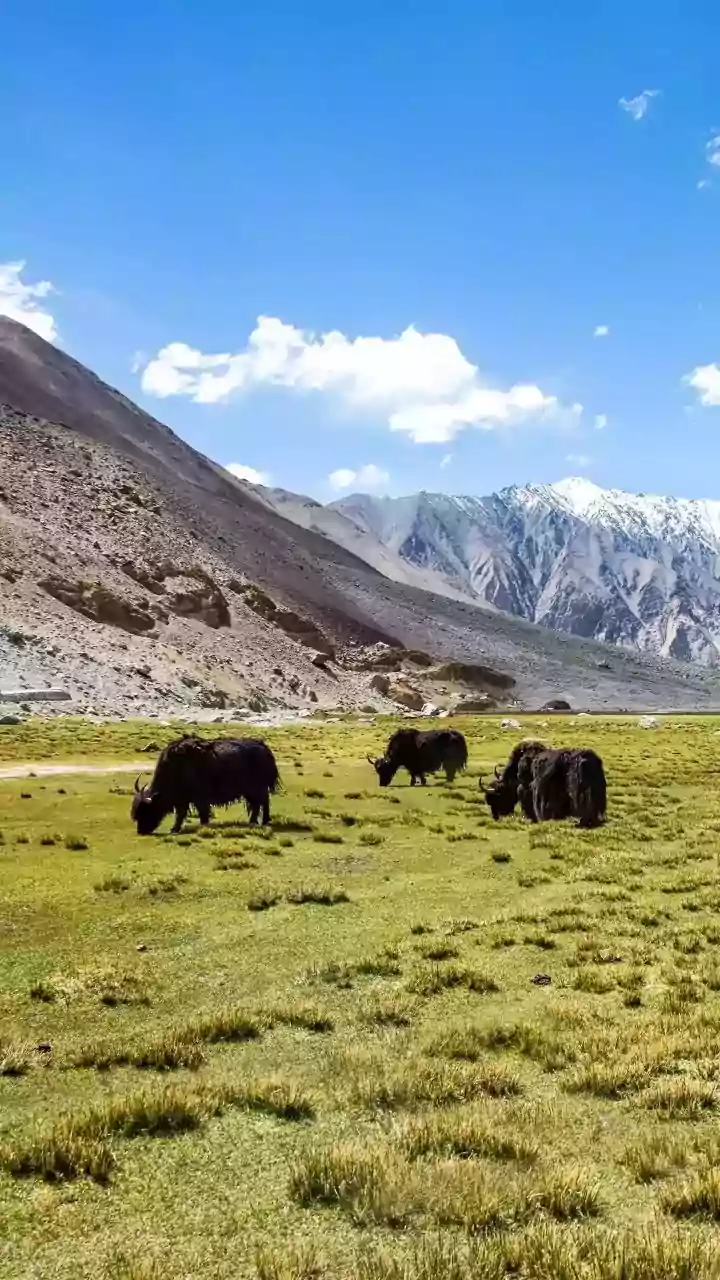
Often called the 'Land of High Passes', Ladakh is a classic example of a rain-shadow region. Tucked behind the mighty Himalayas, it receives minimal rainfall during the peak monsoon months of July and August, making it one of the best and driest places
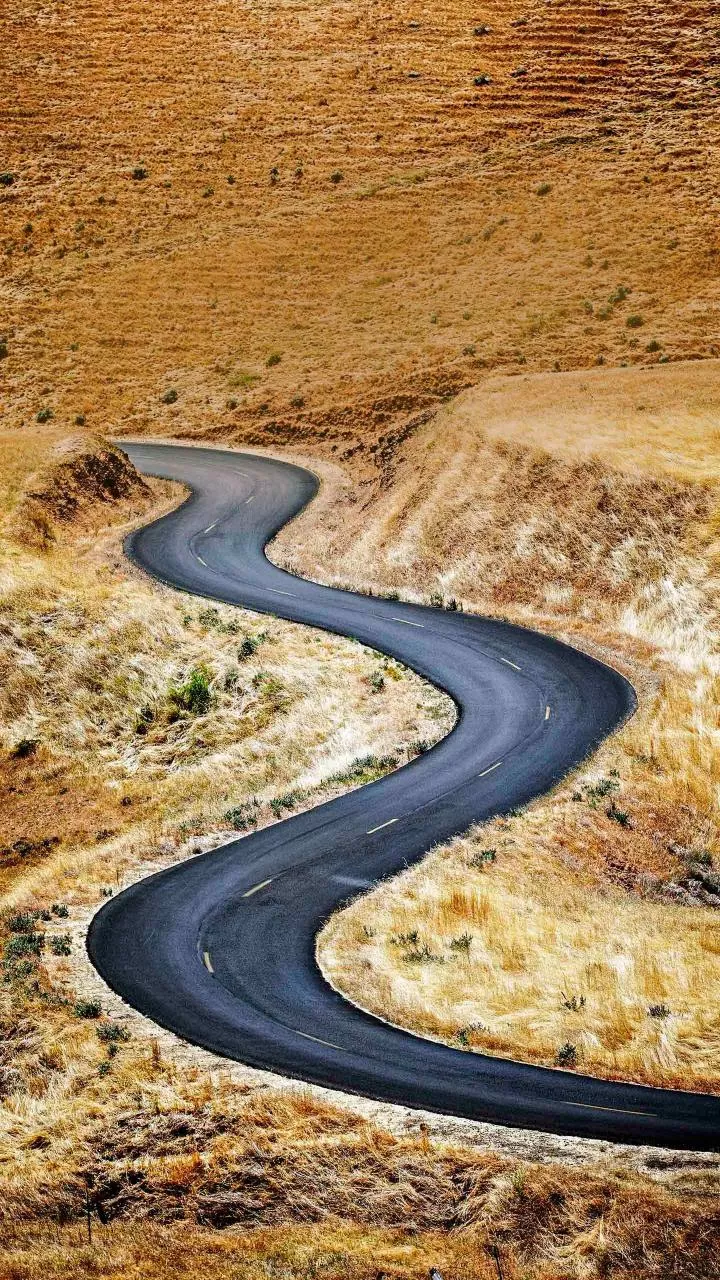
to visit. While the rest of the country is drenched, Ladakh offers clear blue skies, pleasant daytime temperatures, and breathtaking views of its barren, moon-like landscapes. This is the ideal time for road trips, as iconic routes like the Manali-Leh and Srinagar-Leh highways are fully accessible. It's also perfect for exploring ancient Buddhist monasteries perched on hilltops, taking a trip to the stunning Pangong Lake, and indulging in adventure sports like white-water rafting on the Indus and Zanskar rivers.
The Middle Land: Spiti Valley, Himachal Pradesh
Similar to its neighbour Ladakh, Spiti Valley in Himachal Pradesh is a cold desert that is shielded from the monsoon clouds by the Himalayan ranges. This results in a dry, pleasant climate perfect for exploration while other mountain regions face landslides and downpours. The 'Middle Land' offers a unique blend of stark beauty, ancient Tibetan Buddhist culture, and thrilling adventures. The roads are challenging but rewarding, leading to some of the highest villages in the world, like Kibber and Kaza. You can visit ancient monasteries such as Key Monastery and Tabo, send a postcard from the world's highest post office in Hikkim, and search for fossils in Langza village. With fewer tourists, the monsoon season provides a more intimate and serene experience of this rugged paradise.
The Eastern Ghats Corridor: Tamil Nadu's Interior
While coastal India gets battered by the southwest monsoon, the eastern side of the Western Ghats in Tamil Nadu remains surprisingly dry. Cities like Coimbatore and Madurai lie in this rain-shadow area, receiving significantly less rainfall than their western counterparts. This allows travellers to explore the region's rich cultural and historical tapestry without constant interruption from the weather. You can immerse yourself in the architectural marvels of Madurai's Meenakshi Amman Temple or explore the vibrant markets of Coimbatore. The climate is far from the torrential downpours seen elsewhere, although there can be occasional showers. This region offers a unique opportunity to experience South India’s cultural heartland during a season that many travellers typically avoid.
The Scotland of the East: Shillong, Meghalaya
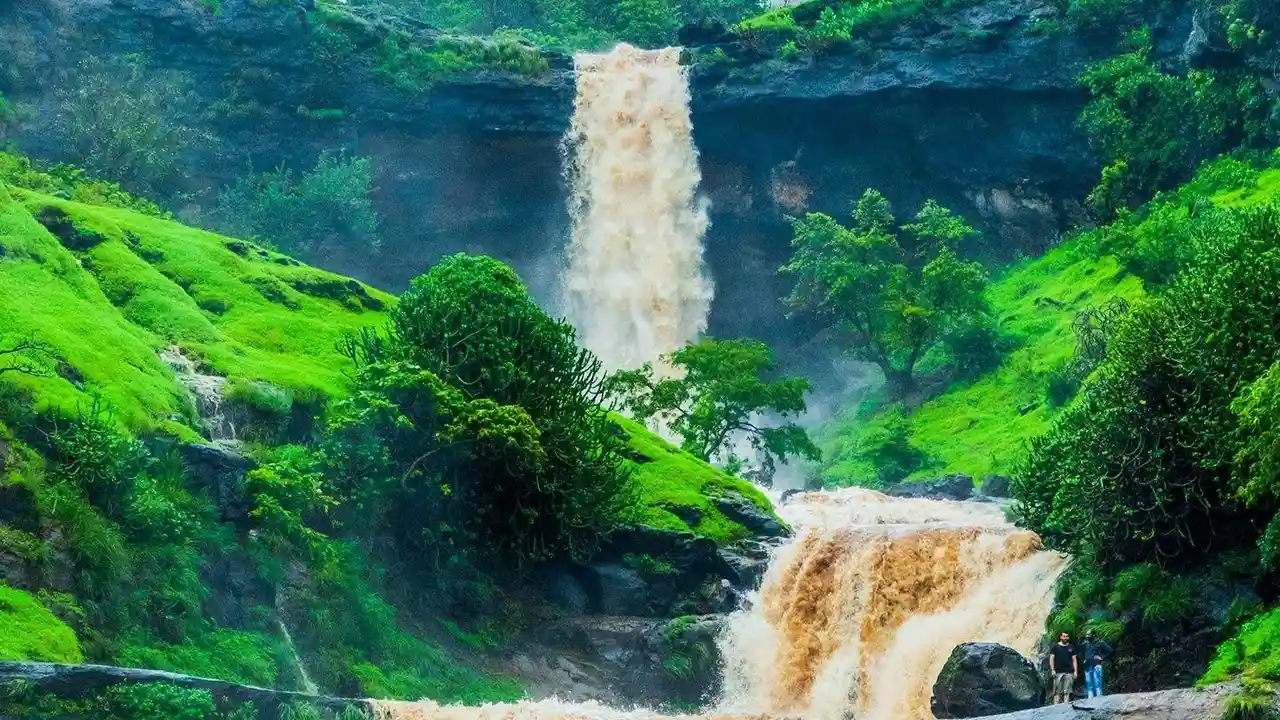
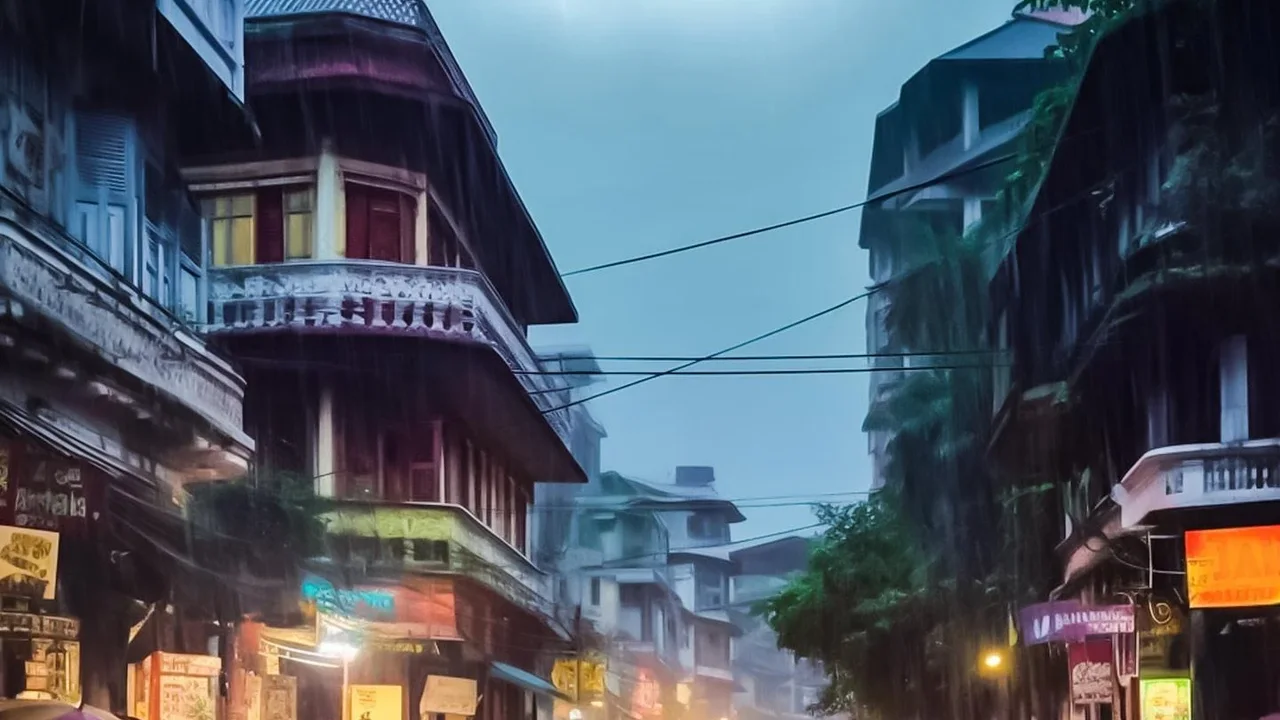
This might seem like a surprising addition. After all, Meghalaya is home to some of the wettest places on Earth. However, Shillong offers a different kind of monsoon experience. Often called the 'Scotland of the East', the rain here usually comes in short, intense bursts, followed by periods of clear, misty weather with the sun breaking through. The rains transform the capital into a lush, emerald paradise. Waterfalls like Elephant Falls are at their most spectacular, and Umiam Lake is serene and beautiful amidst the rolling green hills. The weather is cool and pleasant, perfect for exploring the vibrant Police Bazaar, visiting nearby Mawlynnong (Asia’s cleanest village), or simply enjoying a cup of tea while watching the clouds drift by.