


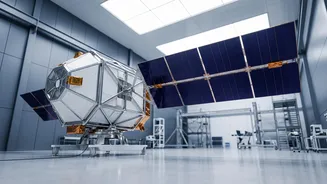
The Blueprint for a Home in Orbit
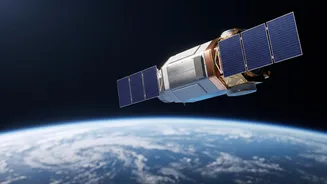
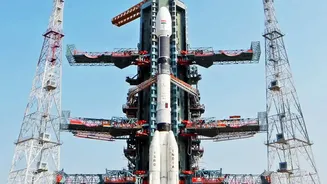
The Indian Space Research Organisation (ISRO) has laid out a clear timeline for this monumental undertaking. The project, named the Bharatiya Antariksha Station (BAS), is planned to be fully operational by 2035. It will be a modular station, built piece
by piece in orbit. The first module, which has already received government approval, is targeted for launch by 2028. The station is expected to orbit at an altitude of around 400 kilometres and will initially host crews of two to four astronauts for long-duration stays of three to six months. This phased approach allows ISRO to test and validate critical technologies, many of which are being developed as part of the precursor Gaganyaan missions. The BAS is not just a destination; it's the beginning of a sustained Indian presence in space.
A Giant Leap from Gaganyaan
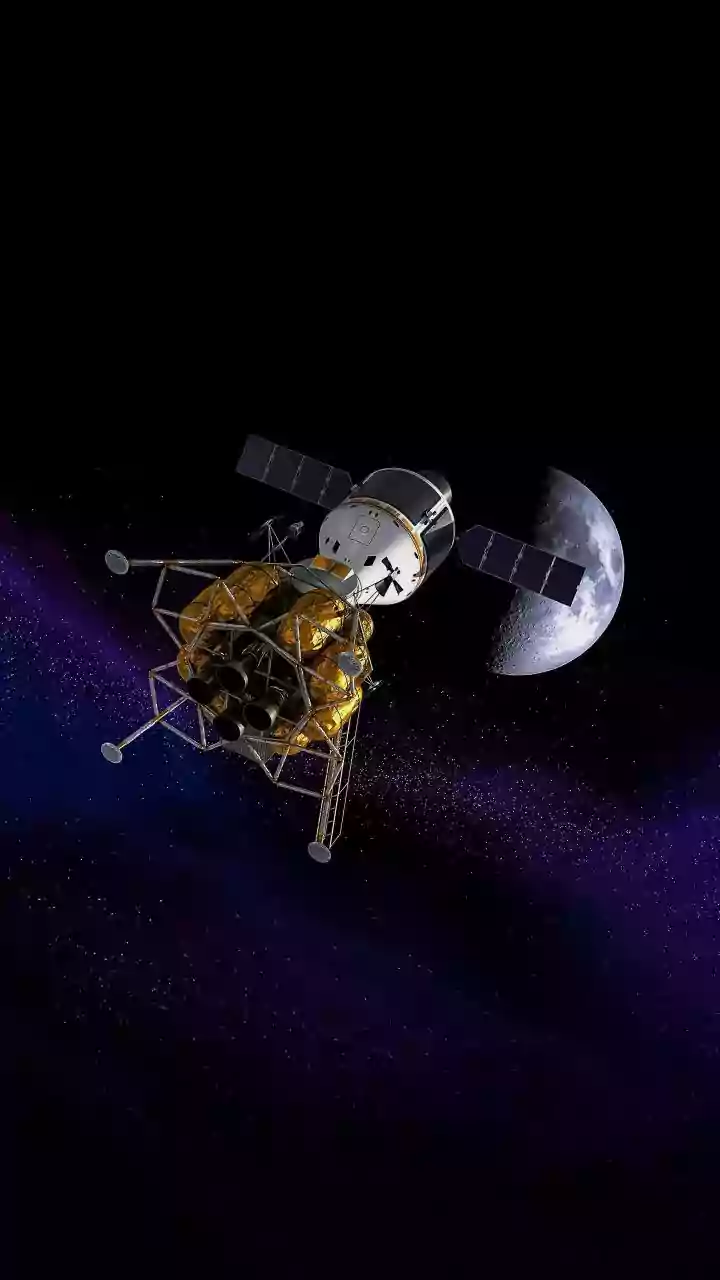
The development of the BAS is the logical and ambitious next step following the Gaganyaan programme, India's first human spaceflight mission. While Gaganyaan aims to send a crew of three into orbit for a short mission of about three days, the space station provides a long-term address for Indian 'Vyomanauts'. It transforms the human spaceflight programme from a series of short sprints into a marathon of continuous scientific research and exploration. Missions to the station will allow astronauts to stay for extended periods, providing invaluable data and experience that cannot be gained from brief flights. This capability is crucial, bridging the gap between short-term orbital missions and future deep-space ambitions, including a planned crewed lunar landing by 2040.
A World-Class Laboratory in the Sky
At its core, the Bharatiya Antariksha Station will be a cutting-edge scientific laboratory. The unique microgravity environment allows for research that is impossible to conduct on Earth. Scientists will be able to perform experiments in fields like medicine, material science, biology, and pharmaceuticals. For example, studying the effects of microgravity on the human body can lead to breakthroughs in treating age-related diseases on Earth. It also opens the door to manufacturing specialised materials or even 3D printing organs in space. Recent experiments conducted by an Indian astronaut aboard the International Space Station (ISS) on topics like seed germination and microalgae provide a glimpse into the type of research the BAS will facilitate. This floating lab will be a hub of innovation, driving scientific discovery for years to come.
The Golden Age for Future Astronauts
For aspiring astronauts in India, the BAS changes everything. A national space station necessitates a permanent, professional astronaut corps, moving beyond selecting a handful of individuals for a single mission. ISRO will need a continuous pipeline of trained Vyomanauts with diverse skills—not just pilots, but scientists, engineers, and doctors who can conduct complex experiments and maintain the station. The nature of training will evolve, shifting from preparation for short flights to rigorous programmes focused on long-duration living in space, robotics, station maintenance, and specialised scientific procedures. The experience gained will be crucial, serving as a training ground for even more ambitious missions. It signals a new era where a career as an astronaut in India is not just a remote possibility but a tangible and sustained profession.
Securing India's Place in the Cosmos
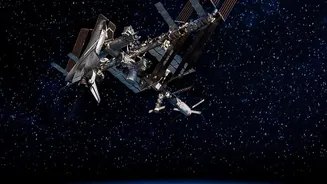
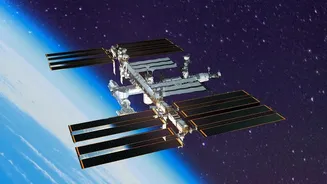
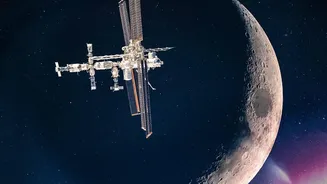
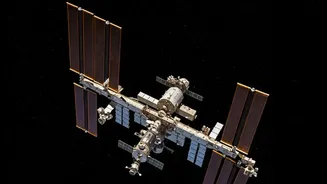
With the International Space Station (ISS) ageing and set to be deorbited in the coming years, the geopolitical landscape of space is shifting. By building its own station, India asserts itself as a major, autonomous space power, capable of charting its own course in exploration. The BAS ensures that India has a sovereign platform for research and technology development. It also opens up new avenues for international collaboration on India’s terms, inviting partners to conduct experiments on an Indian-owned and operated facility. This strategic asset not only boosts national prestige but also strengthens India's role in shaping the future of global space governance and exploration, cementing its position as a leader in the final frontier.