



The Breath-Stress Connection
To understand how pranayama works, we first need to understand our body's stress response. This is managed by the autonomic nervous system, which has two main branches. The first is the sympathetic nervous system, our 'fight or flight' response. When
it's activated, our heart rate and blood pressure increase, and our body releases stress hormones like cortisol. This is useful for genuine emergencies, but modern life often keeps this system in a state of chronic activation. The second branch is the parasympathetic nervous system, known as the 'rest and digest' state. It does the opposite: slowing the heart rate, lowering blood pressure, and promoting calmness and recovery. Pranayama is essentially a tool to manually switch from 'fight or flight' to 'rest and digest'.
Hacking Your Nervous System
Your breath is unique because it's one of the few bodily functions that operates both automatically and under conscious control. This gives you a direct line to influence your nervous system. Slow, deep, and intentional breathing, as practiced in pranayama, stimulates the vagus nerve. This nerve is a primary component of the parasympathetic nervous system. When you consciously slow your breathing, especially by making your exhale longer than your inhale, you send a powerful signal to your brain that everything is okay. This activation of the 'rest and digest' system leads to a measurable decrease in cortisol, the primary stress hormone, helping to blunt the sharp stress spikes that can punctuate a hectic day.
From a Calmer Day to a Better Night
The benefits of managing daytime stress naturally spill over into the night. High levels of cortisol from a stressful day can interfere with the production of melatonin, the hormone that regulates sleep-wake cycles. This is why you might find yourself 'tired but wired' at bedtime, unable to switch off your racing thoughts. By using pranayama during the day to manage stress responses, you keep cortisol levels more balanced. This allows your body's natural sleep processes to take over more effectively at night. Studies have shown that a regular pranayama practice can improve overall sleep quality, reduce the time it takes to fall asleep, and even lessen issues like snoring and daytime sleepiness.
Simple Pranayama to Get Started
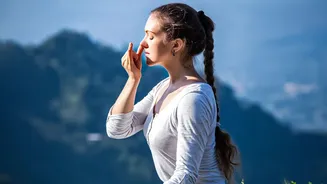
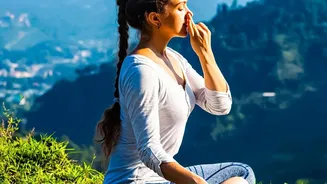
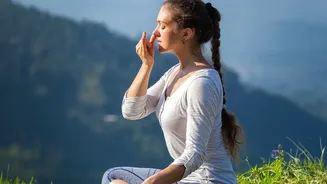
While the headline's claim of 'always' improving rest is strong, consistency is key to seeing results. You don't need to be a yoga master to begin. Here are two simple and effective techniques: 1. Alternate Nostril Breathing (Nadi Shodhana): This practice is known for balancing the nervous system. Sit comfortably. Use your right thumb to gently close your right nostril and inhale slowly through your left. Then, close your left nostril with your ring finger, release your thumb, and exhale through the right. Inhale through the right, then switch to exhale through the left. Continue this gentle rhythm for a few minutes. 2. Humming Bee Breath (Bhramari): Excellent for calming the mind before sleep. Sit comfortably and close your eyes. Inhale deeply through your nose. On the exhale, keep your lips gently sealed and make a low-pitched humming sound, like a bee. Feel the vibration in your head and chest. Repeat for 6-8 rounds. Studies have shown Bhramari is particularly effective at improving sleep quality.