





What Even Are Ultra-Processed Foods?
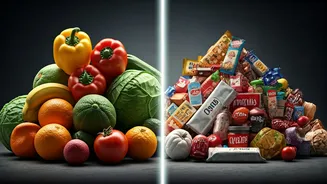
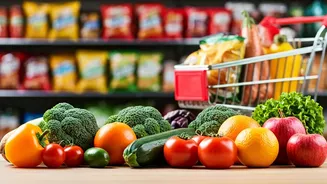
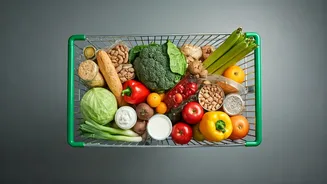
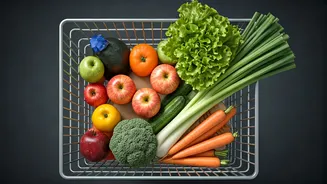
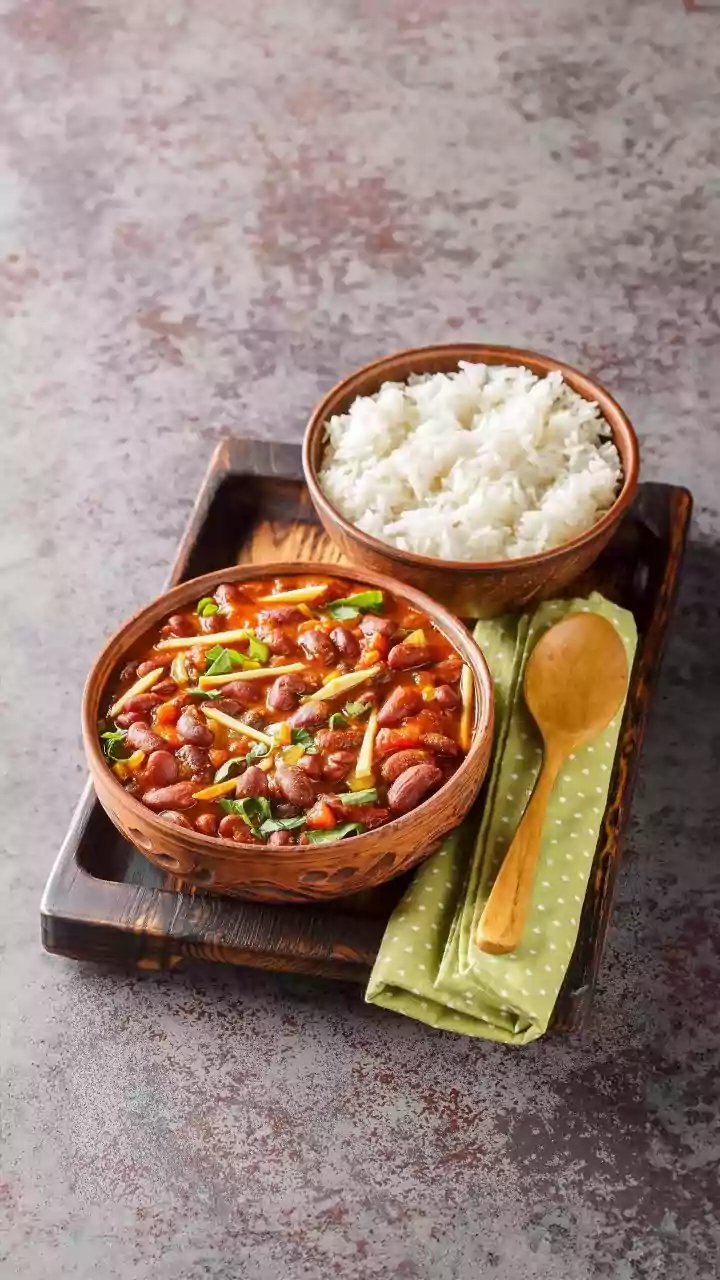
The term "ultra-processed food," or UPF, comes from the NOVA classification system, which groups foods by their level of industrial processing. Think of it in four stages. Group 1 is unprocessed or minimally processed foods, like fresh fruits, vegetables,
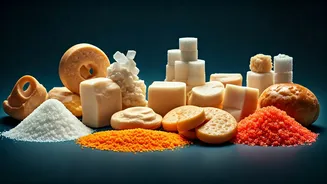
dals, and rice. Group 2 is processed culinary ingredients like oils, butter, sugar, and salt. Group 3 is processed foods, which are simple combinations of the first two groups, like fresh bread, cheese, or canned vegetables. Group 4 is the ultra-processed category. These aren't just foods with a few added ingredients; they are industrial formulations made from substances extracted from foods (like fats, starches, and protein isolates) and synthesized in labs. They often contain a long list of additives like artificial colours, flavours, and emulsifiers that you wouldn't find in a home kitchen.
So, Why Is Everyone Talking About Them Now?
The conversation around UPFs has exploded because a critical mass of scientific research is now making headlines. Major studies have drawn strong links between high consumption of UPFs and a host of negative health outcomes. A comprehensive 2024 review in the British Medical Journal connected high UPF intake to 32 different health problems, including a higher risk of heart disease, type 2 diabetes, mental health disorders, and overall mortality. More recently, a June 2026 Harvard study found that older adults eating the most UPFs had a 58% higher risk of developing dementia. It's this growing, and increasingly alarming, body of evidence that has pushed the term from scientific journals into our daily conversations.
The Health Case Against UPFs
The problem with UPFs isn't just about high sugar or salt content. The processing itself appears to cause harm. These foods are engineered to be "hyper-palatable"—an irresistible combination of fat, sugar, salt, and additives that can bypass your body's natural fullness signals, leading you to eat more. One study found people ate 500 more calories per day on a UPF diet compared to an unprocessed diet, even when meals were matched for nutrients. They are often stripped of fibre and essential micronutrients during processing, delivering what are often called "empty calories." This combination can contribute to weight gain, inflammation, and an increased risk for chronic diseases.
Common Culprits in an Indian Kitchen
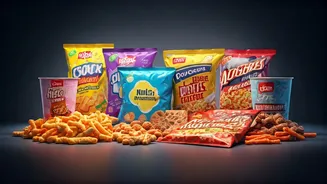
UPFs are not just a Western problem; they have become staples in many Indian households. Common examples include instant noodles, packaged chips and namkeens, sweet biscuits and cookies, sugary breakfast cereals, and mass-produced breads and buns. Even packaged fruit juices, ready-to-eat meals, and frozen snacks like nuggets fall into this category. The rapid increase in UPF consumption in India is linked to urbanisation, longer working hours, and aggressive marketing. Studies show that breads, chips, and sugary drinks are among the most preferred UPFs in the country.
How to Spot a UPF on the Shelf
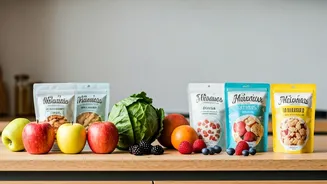
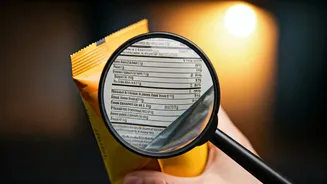
Learning to identify UPFs is a key skill for any modern shopper. Don't just look at the front of the package, which might have misleading health claims like "high protein" or "plant-based." Instead, turn it over and read the ingredients list. The key red flags are a very long list of ingredients (often more than five) and the presence of substances you wouldn't use in home cooking. Look for industrial ingredients like protein isolates, maltodextrin, and high-fructose corn syrup, as well as cosmetic additives like emulsifiers (lecithin, guar gum), thickeners, artificial colours, and flavour enhancers. If the ingredients sound more like a chemistry experiment than a recipe, it's likely a UPF.