







The Gentle Magic of Cold Brew
The secret to a superior fruit-infused tea lies in cold brewing. Unlike traditional methods that use hot water, cold brewing involves steeping tea leaves in cold water for an extended period, typically 8 to 12 hours in the refrigerator. This gentle, slow
extraction process works wonders on the flavour profile. Hot water can aggressively pull out tannins, which often results in a bitter or astringent taste. Cold water, on the other hand, coaxes out the tea’s inherent sweetness and delicate aromatic notes while leaving the bitter compounds behind. The result is a remarkably smooth, rounded, and naturally sweeter beverage that provides the perfect canvas for fruit infusions without the risk of clouding when chilled.
Choose Your Regional Tea Champion
India's diverse tea-growing regions offer a spectacular palette for any home mixologist. For a delicate, floral, and almost champagne-like base, a First Flush Darjeeling is an excellent choice. Its muscatel notes bloom beautifully in a cold brew. For something more robust and malty, turn to an Assam black tea. Its full-bodied character can stand up to stronger fruit flavours. Often called the 'third cousin' to its more famous relatives, Nilgiri tea from Southern India's Blue Mountains is another fantastic option. Prized for its natural fragrance and clean, brisk taste with fruity undertones, it's exceptionally refreshing and lacks the bitterness of some other black teas, making it ideal for cold brewing.
Master the Art of Fruit Infusion
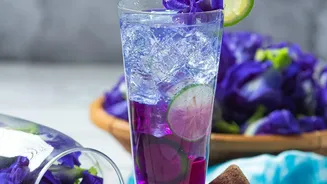
There are several ways to introduce fruit into your cold brew, each offering a different intensity. The simplest method is direct infusion: just add sliced or chopped fruit directly into the pitcher with your tea leaves and water at the start of the brewing process. For a more potent flavour, you can muddle, or gently crush, fruits like berries or peaches in your jug before adding the tea and water to help release their juices. Another technique is to create a separate fruit syrup by simmering fruit with a bit of sugar and water, then adding this syrup to the finished cold brew to control the sweetness and flavour. This works especially well for creating a consistent taste across a large batch.
Classic Pairings to Inspire You
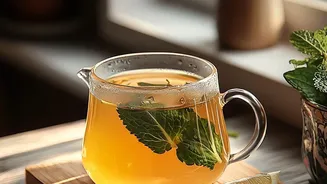
While experimentation is half the fun, starting with proven combinations can help you understand the dynamics of flavour. For a light and elegant drink, pair a floral Darjeeling with stone fruits like peach or plum, and add a sprig of mint for freshness. The malty depth of Assam tea pairs wonderfully with the tropical sweetness of mango or the rich flavour of guava; a slice of orange can add a bright, zesty counterpoint. The naturally brisk and fragrant notes of Nilgiri tea are a perfect match for citrus fruits like lemon or sweet lime, and herbs like crushed basil or a stalk of lemongrass can add another layer of complexity.
Pro Tips for the Perfect Brew
Achieving balance is key. A good starting ratio is about 1 to 1.5 tablespoons of loose-leaf tea for every litre of cold, filtered water. When adding fruit, start with a smaller amount and adjust to your preference; you want to complement the tea, not overpower it. Slicing fruits thinly helps release more flavour. Don't be afraid to mix in herbs and spices. Mint, basil, rosemary, and even a hint of ginger or cardamom can elevate your drink from simply refreshing to truly memorable. Finally, always taste your brew before serving. If it needs a touch more sweetness, a drizzle of honey or agave syrup will dissolve easily in the cold liquid.