








The Planet's Unseen Gardeners
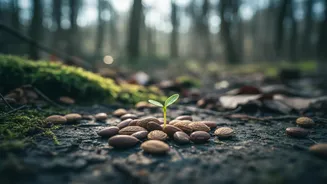
In the complex web of life, few relationships are as fundamental as the one between plants and the animals that disperse their seeds. This process, known as zoochory, is the engine of forest growth and resilience. Animals consume fruits and later deposit
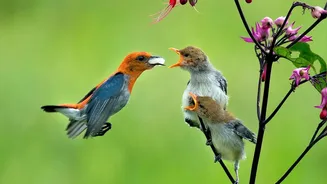
the seeds, often miles away, complete with a small patch of fertilizer in the form of dung. This simple act helps plants move to new areas, escape pests and diseases that cluster around the parent tree, and find fertile ground to sprout. While we often associate this job with birds, a major new analysis focusing on terrestrial animals reveals just how crucial our earthbound wildlife is for the survival of plant species around the world.
A Landmark Global Analysis
Recent comprehensive research has brought this critical ecological service into sharp focus. Scientists compiled and analysed massive datasets, looking at which animals eat which fruits, how far they travel, and the viability of seeds after passing through their digestive tracts. The headline might mention 186 species, but the scope of this research is even broader, synthesising thousands of individual studies. The findings confirm a worrying trend: the worldwide decline of animal populations is severely hampering the ability of plants to move and adapt. One major study found that the loss of mammal and bird dispersers has already slashed the capacity of plants to track climate change by a staggering 60%.
Why Size Matters
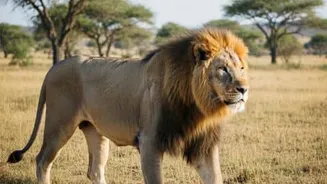
A key takeaway from this body of research is the outsized importance of large animals. Megafauna like elephants, tapirs, and even large primates are capable of swallowing large seeds that smaller animals cannot handle, and they travel vast distances. The loss of these 'super-gardeners' has a disproportionate impact. In their absence, many large-seeded trees essentially become trapped, unable to regenerate beyond the shadow of the parent plant. This not only threatens the survival of those tree species but also reduces the forest's overall biodiversity and its ability to store carbon, directly impacting our efforts to combat climate change.
The Indian Connection: Our Own Elephant Gardeners
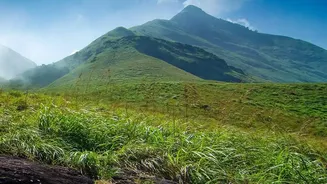
This global story has profound relevance for India's diverse ecosystems. Here, the Asian elephant (Elephas maximus) is a prime example of a keystone seed disperser. Studies conducted in the Western Ghats and other regions have shown that elephants are essential for the dispersal of large-seeded trees like the wild mango, jackfruit, and tamarind. They can carry seeds over incredible distances—sometimes up to 50 kilometres—far beyond the range of other herbivores like gaur or cattle. Research in the Nilgiri Biosphere Reserve found elephants help spread the seeds of at least eight different plant species, playing an irreplaceable role in maintaining the health and diversity of our semi-deciduous and thorny forests. Similarly, primates like langurs and monkeys also contribute significantly to this process across the subcontinent.
A Call to Protect the Network
The message from this global research is clear: animal and plant life are deeply interconnected. The decline of frugivores—fruit-eating animals—due to habitat loss, hunting, and fragmentation is not just a tragedy for those species; it is a direct threat to the resilience of our forests. When these animal gardeners disappear, the forest's ability to heal itself and adapt to a changing world is crippled. Restoring ecosystems isn't just about planting saplings; it's about protecting the intricate network of relationships that allows a forest to sustain itself for generations. Every animal, from the mighty elephant to the humble rodent, plays a part in this vital natural service.