






Beyond Passive Reading
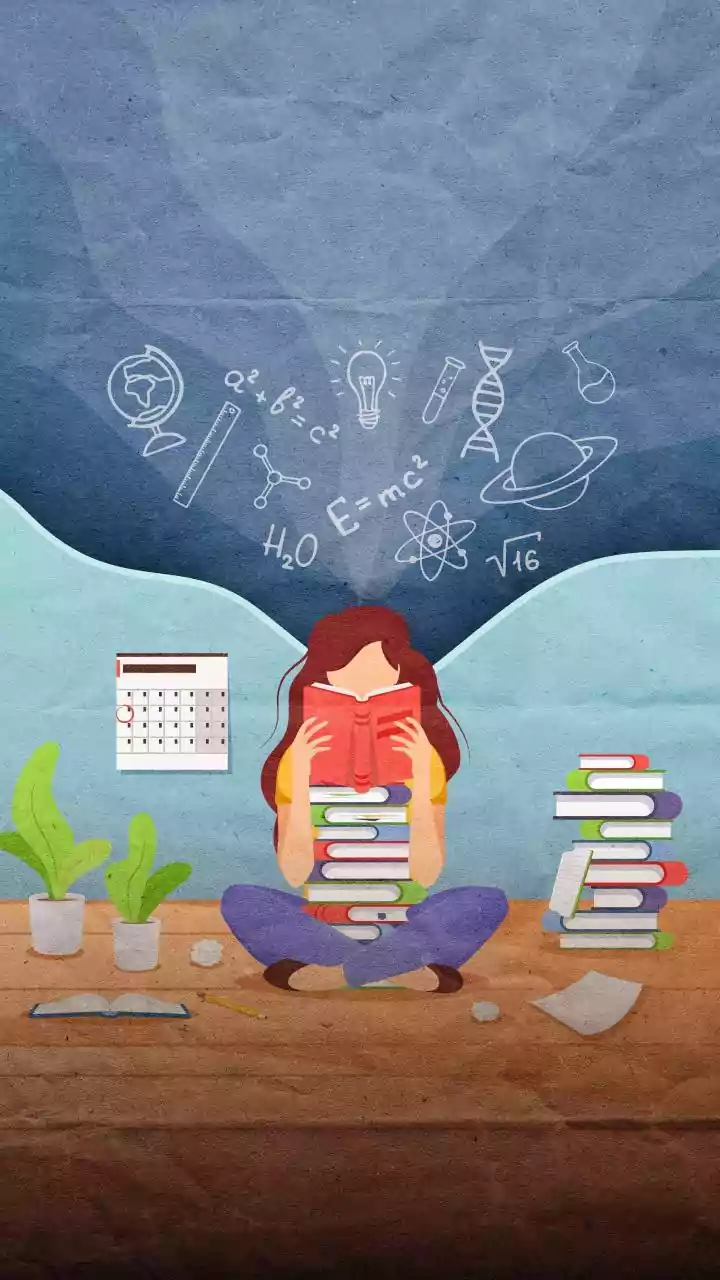
Simply reading information, no matter how carefully, often creates an illusion of mastery. Our brains absorb the content passively, but without active engagement, the information rarely moves into our long-term memory. This is why you can read a chapter
on a complex subject and feel like you understand it, yet struggle to explain the core concepts to a friend an hour later. The act of reading feels productive, but true learning requires a more hands-on approach. Cognitive science shows that engaging with material—by questioning, summarizing, and connecting ideas—is what builds strong neural pathways for recall. People who don't take notes often believe they are saving time, but frequently end up spending more time re-reading forgotten material.
From Reader to Knowledge Builder
Effective note-taking transforms you from a passive consumer into an active builder of knowledge. It's not about transcribing an author's words verbatim; it's about translating them into your own. When you summarize a concept, you are forced to process and understand it on a deeper level. This process encourages critical thinking, forcing you to identify what's important and how it connects to what you already know. Think of each note not as a static record, but as a building block in your own personal library of insights. Over time, this practice creates a valuable, personalized resource that reflects your unique understanding and intellectual journey.
The Art of Taking Smart Notes
There is no single perfect method for note-taking; the best style is the one you will consistently use. For physical books, simple marginalia—writing questions and keywords in the margins—can create a direct dialogue with the text. A popular and effective method is to summarize key ideas in your own words after finishing a section or chapter. For those seeking a more robust system, the Zettelkasten, or "slip-box," method involves creating atomic notes on individual ideas and then linking them together. This creates a web of interconnected knowledge that mimics how our brains work, leading to surprising new insights. The core principle is the same across all methods: engage actively, focus on understanding, and make the knowledge your own.
The Key Is Easy Retrieval
Taking notes is only half the battle. If your insights are buried in a stack of forgotten notebooks, they are as good as lost. The ultimate goal is to create a system where information is easy to retrieve when you need it. This is where digital tools can be transformative. Apps like Notion, Obsidian, and Evernote allow you to tag, search, and link your notes, making your entire knowledge base instantly accessible. Imagine being able to pull up every thought you've ever had on a specific topic with a simple keyword search. This organized system becomes a powerful external memory, or a "second brain," that you can consult for projects, conversations, and creative work, ensuring that nothing you learn ever goes to waste.