
Why The Pre-Winter Window Is Perfect
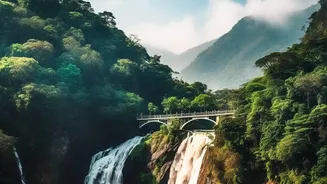
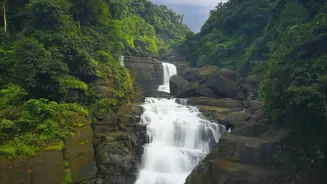
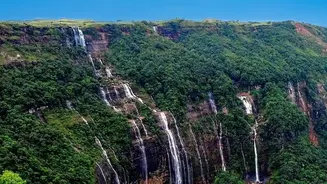
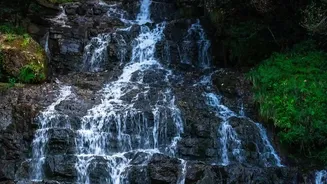
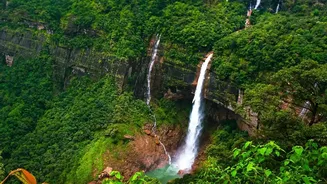
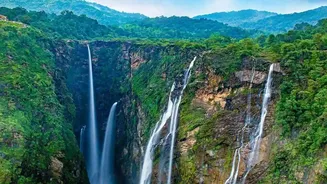
The period from October to November offers the best of both worlds in Sohra, also known as Cherrapunji. The landscape, still drenched and vibrant from months of rain, is at its greenest. Waterfalls like Nohkalikai and the Seven Sisters (Nohsngithiang)
are full and spectacular. Unlike the peak monsoon, however, the rain has subsided, leading to clearer skies, comfortable temperatures, and more pleasant conditions for trekking and sightseeing. This post-monsoon, pre-winter autumn season provides a perfect balance of lush scenery and accessible exploration before the winter chill sets in and water levels in the falls begin to recede.
Your Travel Blueprint to Sohra
Reaching Sohra requires a multi-step journey. The nearest major airport and railway station are in Guwahati, Assam, approximately 150 km away. From Guwahati, you can hire a private taxi directly to Sohra, a scenic drive that takes about 4.5 to 5 hours. A more common route is to travel from Guwahati to Shillong (about 100 km) by shared taxi (sumo) or a private cab. Shillong, the capital of Meghalaya, is about 54 km from Sohra. From Shillong, it’s another beautiful 2-hour drive to Sohra, for which you can hire a local taxi or find a shared vehicle at the Bara Bazar sumo stand.
Chasing Sohra's Majestic Waterfalls
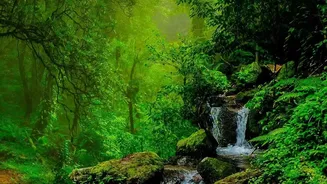
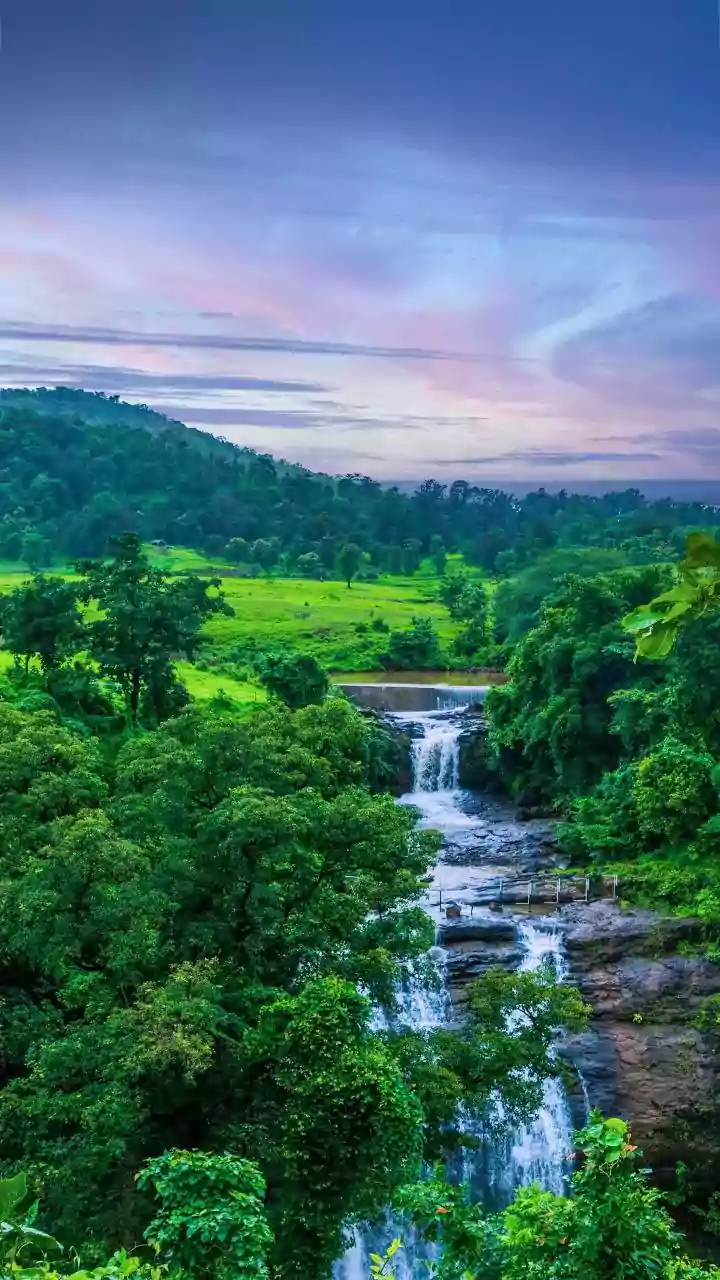
Sohra is famed for its dramatic waterfalls, which are at their best after the monsoon. Nohkalikai Falls, India's tallest plunge waterfall, is an awe-inspiring sight, cascading from a height of over 1,115 feet. Another must-see is the Nohsngithiang Falls, popularly known as the Seven Sisters Falls. This segmented waterfall features seven streams that flow side-by-side down limestone cliffs, creating a magnificent spectacle, especially during and just after the monsoon when all streams are active. Dainthlen Falls, known for its epic legends and wide, rocky expanse, is another key attraction to add to your itinerary.
The Legendary Living Root Bridges
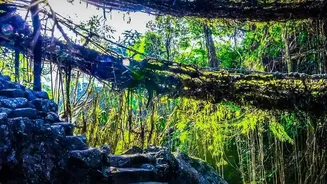
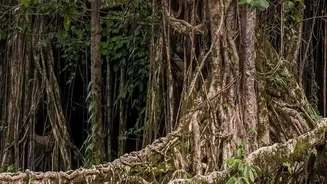
The highlight for many visitors is the trek to the Nongriat village to see the Umshiang Double-Decker Living Root Bridge, a marvel of bio-engineering. The journey starts from Tyrna village, a short drive from Sohra. From Tyrna, you must descend over 3,500 stone steps into a lush valley. The trek is considered moderately challenging, taking about 90 minutes to two hours one way. Along the path, you'll cross other single-root bridges and shaky suspension bridges over turquoise natural pools. While the descent is tough on the knees, the sight of the two-tiered bridge is a reward unlike any other. Many travellers choose to stay overnight in a homestay in Nongriat to fully appreciate the area and make the steep climb back the next day less strenuous.
Where to Stay and What to Pack
Sohra offers a range of accommodations, from clifftop luxury resorts like Polo Orchid to comfortable mid-range options and affordable homestays. For the Nongriat trek, basic homestays are available in the village, allowing for an immersive experience. When packing, essentials include comfortable trekking shoes with a good grip, as trails can be slippery. Layered clothing is advisable; while days can be pleasant, mornings and evenings get cool. A raincoat or windcheater is a must, as showers can be unpredictable even outside of monsoon season. Also, carry sufficient cash, as ATMs can be scarce, and a portable power bank for your electronics.