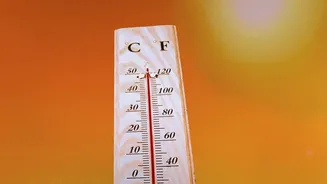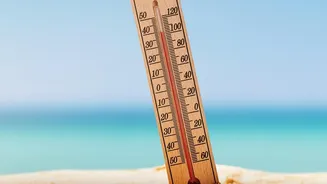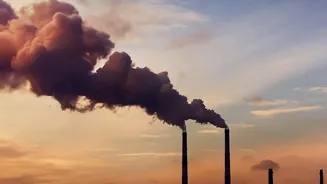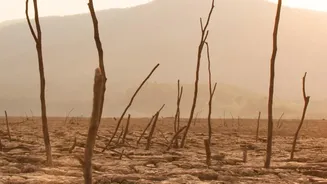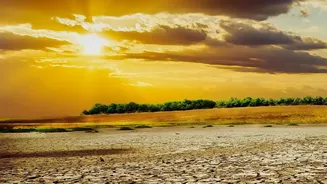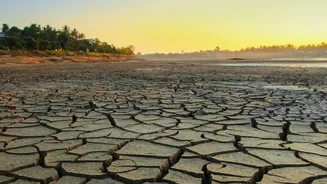





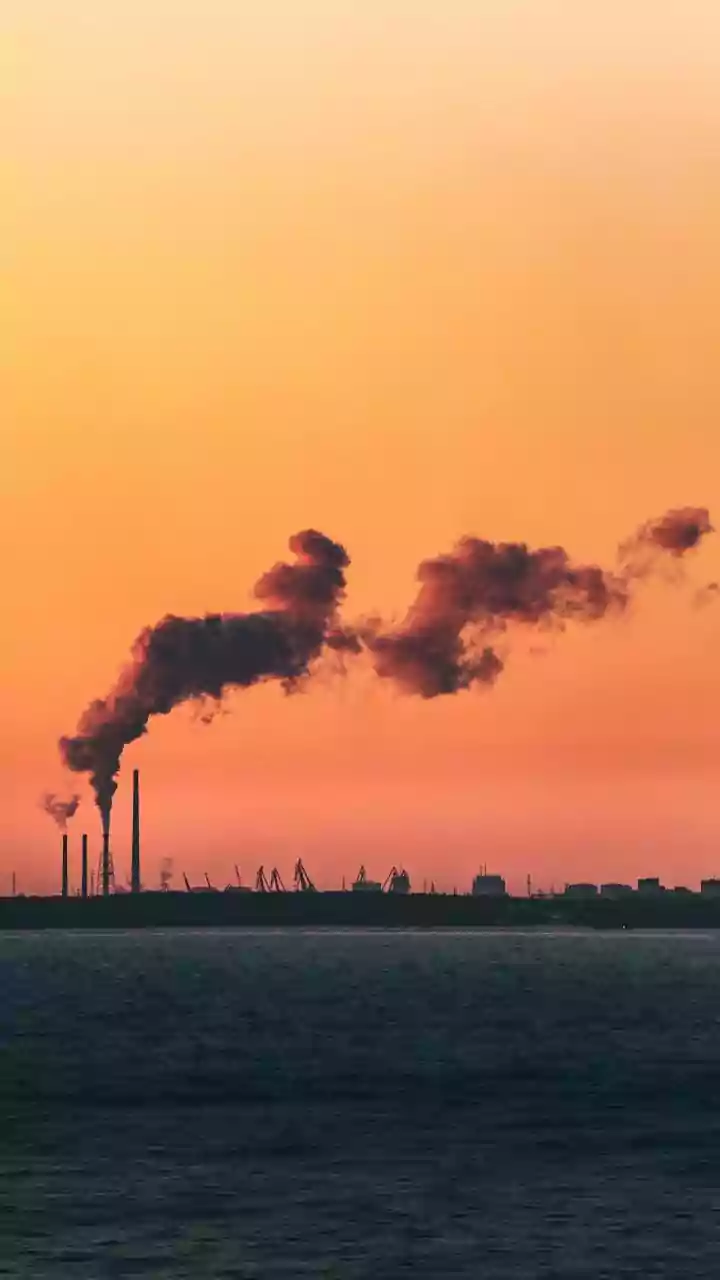
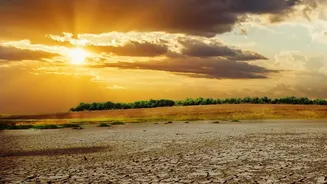
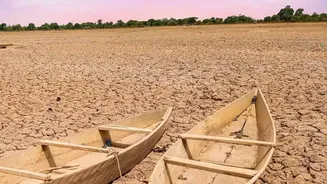
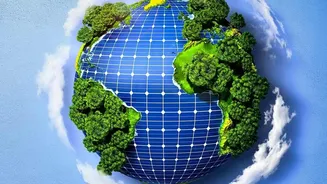
A series of stark reports released ahead of the UN's COP31 climate summit in Türkiye deliver a sobering message: global efforts to combat climate change have stalled, making it virtually impossible to avoid overshooting the critical 1.5°C warming limit.
What the New UN Reports Reveal
The United Nations Environment Programme (UNEP) has laid out the grim mathematics in its 2026 Emissions Gap Report. The central finding is that the window to limit global warming to 1.5 degrees Celsius above pre-industrial levels without at least temporarily exceeding it has closed. Decades of insufficient action mean that even with current pledges, the world is on a trajectory for a temperature rise of 2.6°C to 2.8°C this century. This conclusion is echoed by the independent Climate Action Tracker, which noted during a UN meeting in Antalya, Türkiye, that meaningful global climate action has now been stalled for five consecutive years. The progress made in some areas, like renewable energy growth, is being cancelled out by a lack of follow-through on national promises and continued investment in fossil fuels.
Why 1.5°C Is The Magic Number
The 1.5°C target, enshrined in the 2015 Paris Agreement, isn't an arbitrary figure. Scientists consider it the guardrail beyond which the planet faces far more catastrophic and potentially irreversible climate impacts. Every fraction of a degree of warming beyond this point dramatically increases the risks of deadly heatwaves, extreme flooding, widespread wildfires, and the collapse of critical ecosystems like coral reefs and ice sheets. The UN now says the best-case scenario involves an 'overshoot', where temperatures climb to around 1.7°C to 1.8°C before—hopefully—being brought back down by the end of the century. However, experts warn that even a temporary overshoot could trigger permanent damage, especially to the world's glaciers and polar regions, locking in long-term sea-level rise.
A Widening 'Implementation Gap'
The core of the problem is a vast chasm between what nations have promised and what they are actually doing. To limit the overshoot to 1.7°C, the UNEP report states that global emissions must be slashed by 45% by 2035 compared to 2025 levels. Yet, the current national pledges—known as Nationally Determined Contributions (NDCs)—are projected to achieve only an 11-15% reduction in that same timeframe. This is the 'implementation gap' in action. Compounding this, the UNEP's Adaptation Gap Report highlights a severe shortfall in finance. Developing nations, which are most vulnerable to climate impacts, need an estimated $305 billion per year by 2035 for adaptation measures like building sea walls and developing drought-resistant crops. However, funding from wealthy nations has stagnated, falling far short of the required amounts.
The View From India
For India, these global failures have immediate and dangerous consequences. The World Meteorological Organization's latest climate update, also released for the Türkiye summit, confirms that 2026 is one of the warmest years on record, with global temperatures for the first nine months already hovering near 1.47°C above the pre-industrial average. This translates directly to the erratic monsoons, scorching heatwaves, and increased frequency of cyclones that India has been experiencing. As a nation with a vast coastline and a large population dependent on agriculture, the stakes could not be higher. While India has made significant strides in renewable energy, particularly solar power, it also faces immense pressure to balance economic development with emissions reduction. The UN reports make it clear that without accelerated global action and significant financial support for adaptation, countries like India will bear the brunt of a crisis they did not create.