

Understanding the 'Two Seasons in One Day' Climate
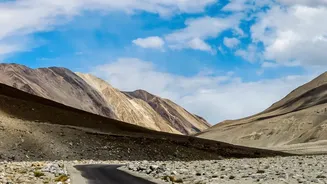
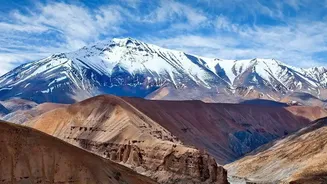
The defining characteristic of Ladakh in late summer is its dramatic daily temperature swing. Thanks to its high-altitude desert environment, days are blessed with strong, warm sunshine, with temperatures in Leh and the Nubra Valley often hovering between
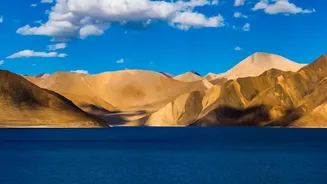
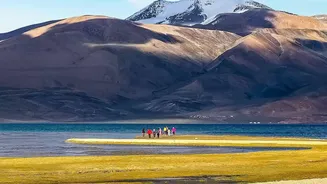
a comfortable 15°C and 25°C. This makes it ideal for sightseeing and daytime adventures. However, as soon as the sun dips behind the towering peaks, the thin, dry air loses heat rapidly. Evening and night-time temperatures can easily drop to between 5°C and 10°C, and can even approach freezing at higher altitudes like Pangong Lake or Tso Moriri. This duality is the key to planning a successful trip; you are essentially packing for both a mild summer and a cool autumn in a single day.
Dressing Smart: The Art of Layering
Your packing strategy for a late-summer Ladakh trip should revolve around one word: layers. This approach allows you to adapt to the changing temperatures throughout the day. Start with a breathable base layer like a t-shirt for midday warmth. Add a fleece or light woollen sweater as the afternoon progresses. For the chilly evenings and early mornings, a windproof and insulated jacket is non-negotiable. Don't forget essentials like warm woollen socks, a beanie or cap to protect your ears, and gloves. The sun, even when not intensely hot, is incredibly strong at this altitude. High-SPF sunscreen, UV-protected sunglasses, and a good lip balm are crucial to protect your skin from the harsh rays and dry air.
Adventures Under the Abundant Sun
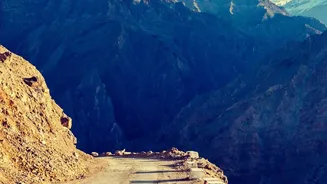
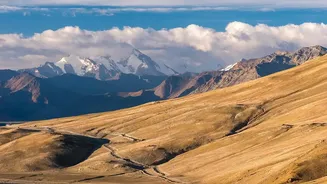
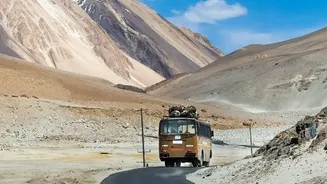
The pleasant daytime weather is perfect for exploring Ladakh's awe-inspiring landscapes and cultural treasures. This is the ideal time for road trips, as both the Manali-Leh and Srinagar-Leh highways are typically open and in good condition. All major internal roads to popular sites like Nubra Valley, Pangong Lake, and Tso Moriri are also accessible. You can comfortably visit the ancient monasteries dotted around the Indus Valley, such as Thiksey, Hemis, and Shey, without the intense heat of peak summer. Adventure seekers can indulge in activities like white-water rafting on the Zanskar and Indus rivers or embark on treks, as the conditions are generally stable.
Embracing the Crisp Nights and Golden Hues
As evening descends, the experience shifts. The chilly air brings with it incredibly clear skies, making it a spectacular time for stargazing. Far from city lights, the Milky Way is often visible in breathtaking detail. The end of summer is also when the landscape starts to take on a beautiful golden hue, particularly in September, as the poplar and willow trees begin to change colour. This season hosts several vibrant festivals. The Ladakh Festival, often held in September, fills Leh with cultural processions, traditional music, and archery contests. Other regional festivals like the Takthok and Changthang Nomadic festivals also take place in August, offering a deep dive into local traditions.
The Perks of the Shoulder Season
Visiting Ladakh in August and September means you are travelling during a 'shoulder season'. One of the biggest advantages is that the crowds of the peak summer months (June and July) have thinned out. This translates to a more serene experience at popular monasteries and viewpoints, and potentially better availability and pricing for accommodations and flights. While Ladakh is in a rain-shadow area and receives very little precipitation, the monsoon in other parts of India can deter some road travellers, further reducing the crowds. You get the benefit of settled, post-monsoon weather within Ladakh itself, combined with the peace and quiet that comes after the main tourist rush.