




Plan Before You Purchase
The single most effective way to control festival spending is to plan ahead. Before the ten-day celebration begins, create a simple budget. Decide on a total amount you're comfortable spending and then allocate it across key areas: the sadhya (feast),
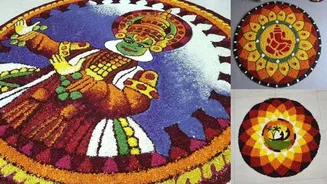
pookalam (floral arrangements), onakkodi (new clothes), and gifts. Having a clear number in mind before you start shopping helps prevent impulse buys and last-minute splurges. Track your expenses as you go; a simple notebook or a note on your phone can help you stay aware of your running total. This isn’t about limiting joy; it's about making conscious choices that allow you to celebrate fully without regret.
A Sadhya That's Smart and Satisfying
The Onam sadhya, with its elaborate spread of dishes, is the heart of the celebration. While a traditional feast can have over 26 items, you don't need to make them all to capture the essence of the meal. Focus on the 'must-have' dishes that create the core experience: rice, sambar, avial, a thoran, payasam, and pappadam. You can create a memorable and authentic sadhya with just six or seven key dishes. Plan your menu to use common ingredients across multiple recipes; for example, coconut and certain vegetables can be used in several preparations, reducing waste and cost. If you're hosting, consider a potluck where each family brings a dish, which not only spreads the cost but also the effort and variety. Cooking at home is almost always more affordable than ordering in, and preparing some items like pickles or inji puli a day or two in advance can make Onam day much less hectic.
Create a Pookalam with Creativity
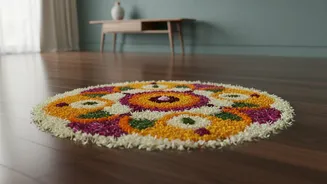
A pookalam at the entrance is a beautiful and essential part of Onam. However, the cost of flowers can add up over ten days. To save money, opt for locally available, seasonal flowers like marigolds and chrysanthemums, which are often more affordable. You can create stunning designs by mixing whole flowers with loose petals to increase volume. For a more budget-friendly and creative approach, use coloured rice flour, leaves, or even diyas to outline or fill parts of your design. Involving family and friends in creating the pookalam not only makes it a fun group activity but also allows you to pool resources for flowers. Sometimes, a smaller, intricate design can be just as impactful as a large, expensive one.
Mindful Gifting and Onakkodi
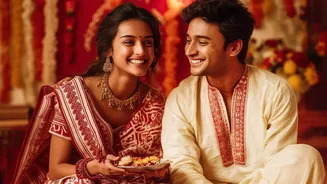
The tradition of gifting Onakkodi, or new clothes, is a cherished part of the festival. To manage this expense, shop during pre-Onam sales and make a firm list before you go to the store. Prices tend to rise as Thiruvonam approaches. For a more traditional and often budget-friendly choice, consider handloom items. When it comes to other gifts for family and friends, thoughtfulness matters more than price. Consider handmade items, traditional Kerala sweets, or small, useful household items like brass diyas. Setting a budget per person can help you make choices that are both meaningful and affordable. You can find lovely gifts for under ₹500, such as scented candles, herbal teas, or small decorative accessories.
Focus on Togetherness, Not Transactions
Ultimately, the spirit of Onam lies in togetherness, gratitude, and welcoming King Mahabali. The most memorable parts of the festival are often the experiences, not the expenses. Organize community games, participate in local events, or simply spend quality time with family. A beautifully presented meal on a banana leaf, even with fewer dishes, feels more festive than an expensive one eaten alone. Lighting a traditional lamp, wearing festive attire, and sharing stories are all free activities that enrich the celebration. The goal is to create happy memories and honour traditions in a way that feels abundant and joyful, without causing financial strain.