







Why the Age of Rice Is a Cook's Secret Weapon
The distinction between new and aged rice is one of the most important, yet often ignored, details in the kitchen. 'New rice' is from a recent harvest, usually sold within a few months of being processed. It has a higher natural moisture content. 'Aged
rice,' on the other hand, has been stored for at least a year, and sometimes longer. This storage period isn't just about shelf life; it's a deliberate aging process that fundamentally changes the grain's properties. As rice ages, it slowly loses moisture, causing the starch within to become firmer and more stable. This seemingly small difference has a massive impact on texture, aroma, and how the rice behaves in a pot. Understanding this is the first step to mastering dishes from a simple bowl of steamed rice to a complex biryani.
New Rice: For When You Want Softness
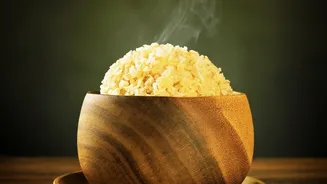
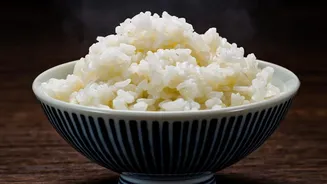
With its high moisture content, new rice cooks faster and has a much softer, stickier texture. When cooked, the grains tend to clump together because the starches are less firm. This isn't a flaw; it's a feature that makes it perfect for certain dishes. Think of creamy rice puddings like kheer, comforting bowls of khichdi or pongal, and even risotto-style dishes where a sticky, creamy consistency is the goal. Its mild, fresh aroma is also distinct. However, this softness makes it unsuitable for recipes where individual, fluffy grains are desired, as it can easily turn to mush. If a recipe calls for new rice, or if that's all you have, you'll need to use less water to compensate for its inherent moisture.
Aged Rice: The Key to Fluffy Biryani and Pulao
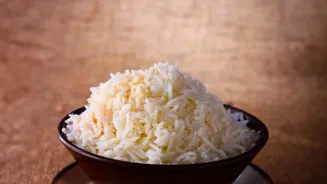
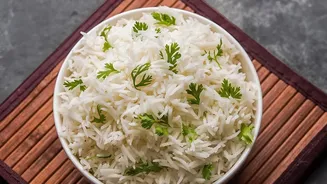
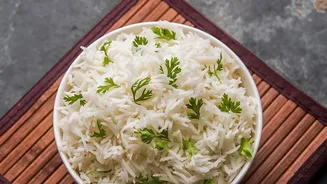
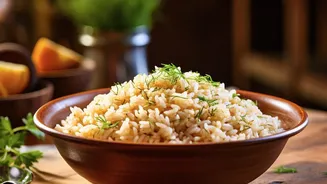
Aged rice is the undisputed champion for dishes that demand separate, fluffy grains. It's the go-to for biryani, pulao, and fried rice for a reason. Because it's drier and its starch structure is more robust, each grain holds its shape beautifully during cooking. Aged rice absorbs more water and fat, meaning it soaks up the flavours of spices and broths more effectively, leading to a more aromatic and flavourful final dish. This is why premium basmati rice is almost always aged for one to two years. The aging process develops a distinct nutty aroma that new rice lacks. While it requires more water and often benefits from a pre-soak of 20-30 minutes, the resulting texture is worth the effort.
A Cook's Guide to Telling Them Apart
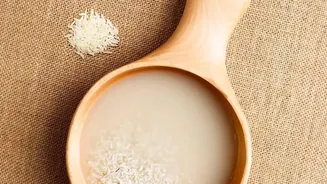
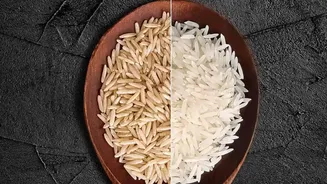
Without a label, distinguishing between new and aged rice can seem tricky, but a few sensory clues can guide you. Start with color: new rice is often a brighter, milky white, while aged rice can have a slightly yellowish or off-white hue. Next, use your nose. New rice has a mild, sometimes grassy scent, whereas aged rice carries a more pronounced, nutty fragrance. Feel the grains; aged rice feels distinctly firm and dry to the touch. You can even try crushing a grain between your teeth; a new grain will break more easily due to its moisture content. Another simple test is to put your hand into a bag of rice; new rice might leave a fine white powder on your skin that can be easily blown away.
How to Adjust Your Cooking on the Fly
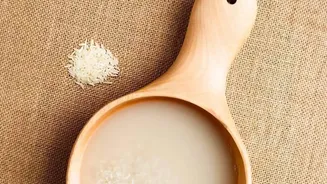
Once you've identified your rice, adjusting your recipe is simple. The golden rule is to manage the water ratio. For new rice, you should reduce the amount of water called for in a standard recipe. A good starting point is to use about 20-25% less water. If your recipe suggests a 1:2 rice-to-water ratio, try 1 cup of rice to 1.5 cups of water instead. For aged rice, you should use the standard ratio (often 1:2) or even slightly more, especially for long-grain varieties like basmati. Soaking aged rice for about 30 minutes before cooking is also highly recommended, as it helps the grains rehydrate evenly and cook up longer and fluffier without breaking. By making these small adjustments, you take control of the final texture and ensure your dish turns out exactly as intended.