






The Unique Allure and Perils of a Monsoon Run
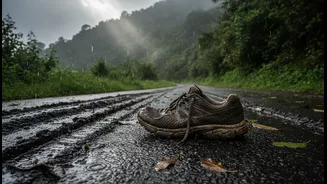
Running in the rain offers a refreshing escape from India's scorching summer heat, with cooler temperatures allowing for more effective and longer runs. Events like the Pachmarhi Monsoon Marathon and the Belagavi Monsoon Ultra celebrate this unique atmosphere,
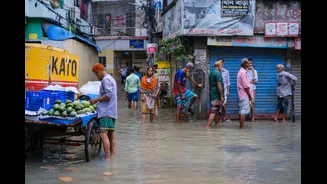
attracting thousands to run through misty hills and lush greenery. However, this idyllic setting comes with challenges. Wet surfaces dramatically increase the risk of slips and falls, while reduced visibility can hide potholes and other hazards, a notorious problem on urban roads during this season. The combination of rain and humidity also makes chafing and blisters a constant concern for runners.
The Chaos of a Crowded Start
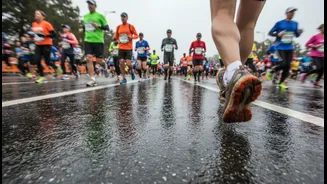
Every large marathon begins with a 'pinch point'—a crowded start where thousands of runners jostle for position. The adrenaline is high, and the instinct is to get ahead quickly. In a monsoon race, this starting crush is especially hazardous. With less-than-perfect footing, the constant stop-and-go and side-to-side shuffling in a tight pack can easily lead to a twisted ankle or a fall before you even find your rhythm. Runners often waste significant energy weaving through traffic in the opening kilometres, an effort that offers little gain but carries a high cost later in the race. Race organizers use barricades and cones to manage this flow, but individual runner strategy is the most critical safety tool.
The Unseen Rewards of Creating Space
The primary 'reward' for a runner who intentionally leaves more space is injury prevention. By avoiding the chaotic pack, you have a clearer view of the road surface, allowing you to dodge puddles and uneven patches that could cause a fall. This space also translates into a significant mental advantage. Instead of reacting to the unpredictable movements of those around you, you can focus on your own form and breathing. This leads to a more efficient and even-paced run, which is proven to be the most effective strategy for endurance events. It allows your body to conserve precious glycogen stores for the crucial final stretch, helping you avoid hitting 'the wall'.
Practical Strategies for a Roomier Race
So, how do you find this valuable space? It starts with resisting the urge to be at the very front. By starting a little further back, you allow the initial surge of runners to spread out. It might feel slow for the first few kilometres, but this conservative start pays dividends later. On the course, run on the wider edges of the road rather than the congested center. At aid stations—another natural bottleneck—be patient. Slowing down for a few seconds to grab water cleanly is better than spilling it while jostling. Adopting shorter strides on slippery sections can also improve your stability and control, making you less susceptible to the movements of the crowd.
A Stronger Finish and a Better Experience
Ultimately, running a monsoon marathon is about more than just a finish time; it's about the experience. By giving yourself room to breathe and move, you reduce the physical and mental stress of the race. Your muscles are less taxed from constant, jarring adjustments, and your mind is calmer. This not only makes the run itself more enjoyable but can also lead to a stronger finish. While others who went out too fast and fought the crowds begin to fade, you'll have the conserved energy to maintain your pace or even speed up in the final kilometres. This strategy, known as a 'negative split', is used by elite and amateur runners alike to achieve their best performances.