





A Drier August Ahead
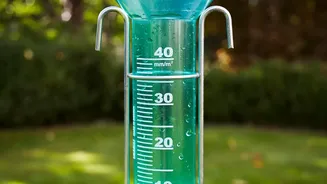
The India Meteorological Department (IMD) released its long-range forecast on July 31, 2026, predicting that rainfall across the country during August is likely to be 'below normal'. This is defined as precipitation less than 94% of the Long Period Average
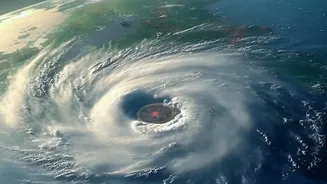
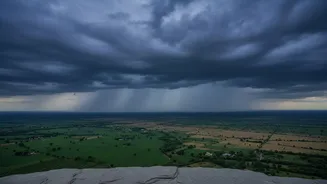
(LPA). The forecast extends this drier outlook to the entire second half of the monsoon season, from August to September. This is largely attributed to the strengthening of moderate El Niño conditions over the Pacific Ocean, a phenomenon historically linked with weaker monsoons in India. While July saw a recovery in rainfall after a deficient June, the projection for August suggests this momentum may not continue, with western India expected to be one of the most affected regions.
The Current State of Our Reservoirs
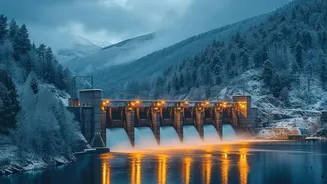
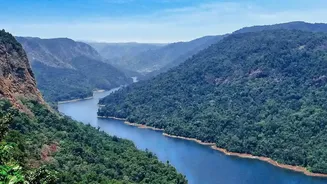
The latest forecast is particularly concerning given the existing condition of India's major water reservoirs. According to the most recent data from the Central Water Commission (CWC) in late July, the live storage in 166 of the country's major reservoirs was at approximately 38% of their total capacity. This figure is significantly lower than the storage levels recorded at the same time last year and slightly below the ten-year average for this period. The situation is especially worrying in South India, where 47 major reservoirs were filled to just over 30% of their capacity, well below normal levels. Even in the northern region, key reservoirs like Bhakra were reported on August 2 to have water levels considerably lower than in the previous year due to an erratic monsoon.
Connecting the Dots: Less Rain, Less Water
The link between monsoon rainfall and reservoir levels is direct and crucial. Reservoirs depend on sustained rainfall in their catchment areas to fill up during the June-to-September monsoon season. This stored water is then used throughout the year for drinking, irrigation, and power generation. A below-normal August, following an uneven start to the season, means these critical water stores may not be adequately replenished. An analysis in late July showed that despite decent rainfall that month, the uneven distribution and a dry June meant many reservoirs could not collect the required amount of water. With the IMD now predicting a weaker second half of the monsoon, the window for these reservoirs to reach their full capacity is narrowing, putting pressure on water management authorities.
Impact on Farms and Cities
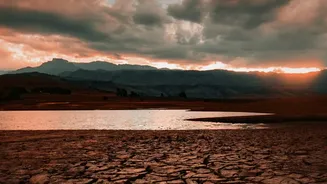
The implications of low reservoir levels are far-reaching. For agriculture, which is heavily dependent on monsoon-fed irrigation, a water deficit could impact the standing Kharif crops, which already saw a 5% dip in sowing due to the monsoon's performance in June and July. Farmers rely on reservoir water to supplement rainfall, and a shortage could affect crop yields and rural incomes. For urban areas, the consequences could include water cuts and a greater reliance on groundwater, further straining already depleted aquifers. While some municipal bodies, like in Visakhapatnam, have expressed confidence in their current storage levels being adequate for the city's immediate needs, a prolonged dry spell could change the situation rapidly. Conversely, some regions are simultaneously dealing with intense, short bursts of rain causing floods, highlighting the monsoon's increasingly erratic nature.
A Regional Picture of Concern
The national average masks significant regional disparities. As of late July, reservoirs in southern states like Karnataka, Kerala, and Tamil Nadu were reported to be under 'moderate' shortfall. In the north, major dams in Punjab and Himachal Pradesh also showed storage levels below both last year's figures and the ten-year average. The eastern region, including Odisha and West Bengal, also reported storage levels below last year's. Only the western region, including Gujarat and Maharashtra, showed a storage level better than the ten-year normal, though still not reaching the levels of the previous year. This complex picture means that water management strategies will need to be highly localized, with some regions bracing for scarcity while others manage flood risks.