
The High-Low Mix
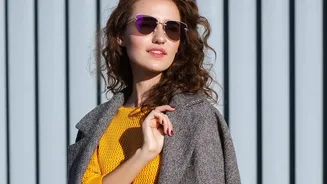
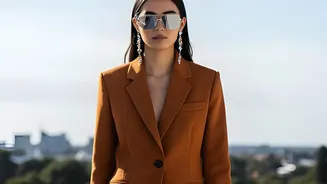
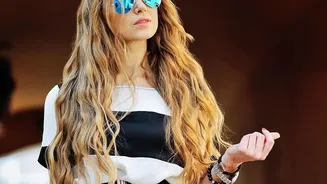
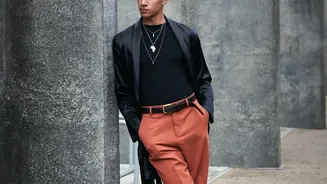
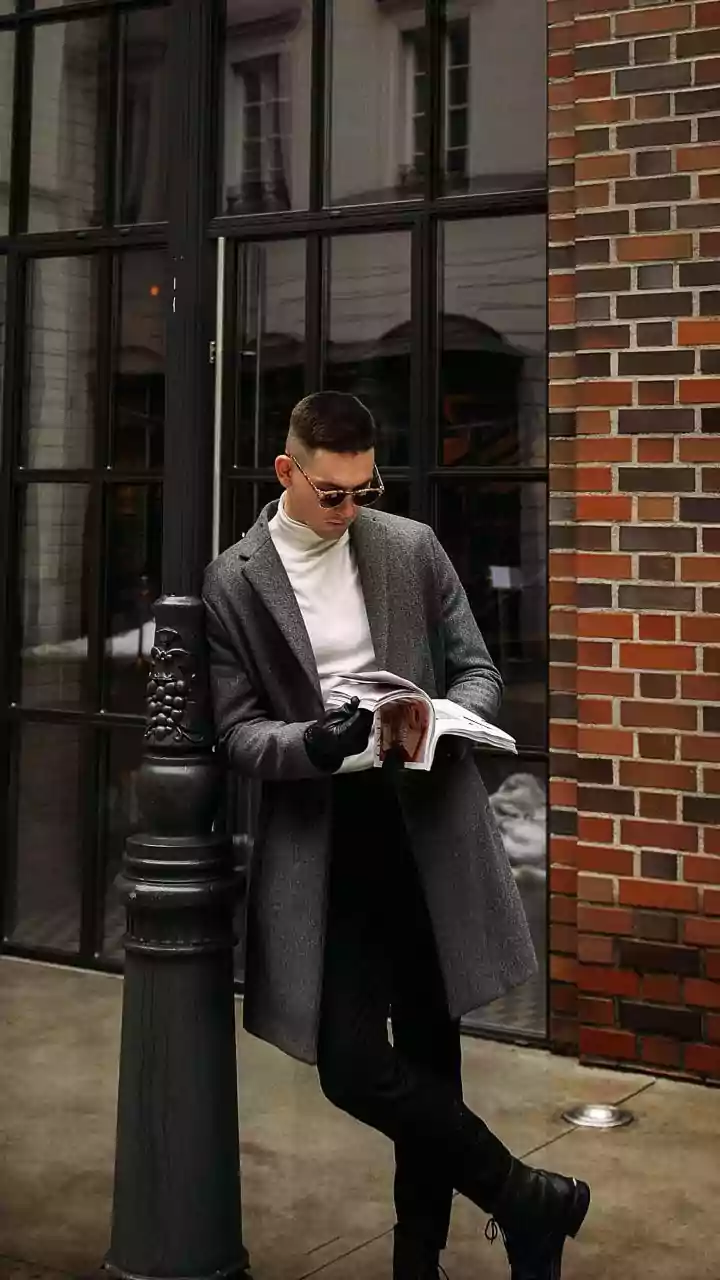
The most compelling story on the streets was the artful clash of high and low. Rather than head-to-toe designer looks, the real style mavens demonstrated a flair for unexpected pairings. Attendees masterfully balanced laid-back items like camo jorts or cargo
trousers with elegant pieces, such as kitten-heel mules or ethereal, fluid tunics. This approach was also seen in the way dressy lace items were styled for daywear, with delicate lace dresses and camisoles appearing under casual anoraks and blazers. This created a dynamic contrast that felt both personal and practical for a city where biking between shows is the norm. It’s a move away from rigid dress codes towards a more fluid, personal interpretation of luxury, proving that true style lies in the mix, not just the label.
An Exercise in Layering
The conversation around layering has evolved beyond simple practicality. At this season’s CPHFW, it was a creative exercise in combining textures and proportions. The classic dress-over-pants combination was a popular formula, but with fresh updates. Think sheer, longline tunics over wide-leg trousers or asymmetric dresses paired with cargo pants. Lightweight jackets were casually shrugged over crisp shirts, and knits were tied artfully around shoulders or waists, ready for the city’s unpredictable temperatures. This thoughtful approach to layering is less about piling on clothes and more about creating a cohesive, interesting silhouette that tells a story of versatility and preparedness. It’s real-world dressing elevated to an art form.
Fringe, Texture, and Personality
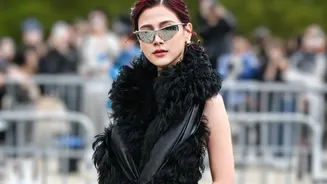
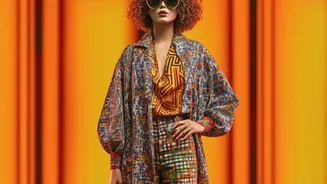
In a departure from logomania, texture and embellishment provided the main points of interest. Fringe was a dominant feature, appearing on everything from the sleeves of jackets to the entire surface of bags, adding a ripple of movement to every step. This embrace of texture extended to skirts, which were seen in every length and often decorated with details that gave them a unique character. But the true spirit of individualism shone through in accessories. Whimsical headwear, from paisley bandanas and beaded berets to simple headscarves, was everywhere. These weren't prescriptive trends but rather personal flourishes that allowed attendees to inject their own personality into their looks.
A More Complex Color Story
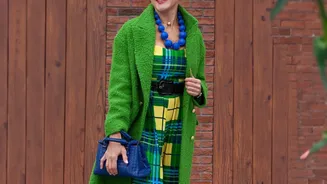
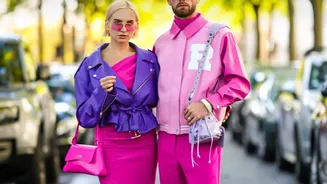
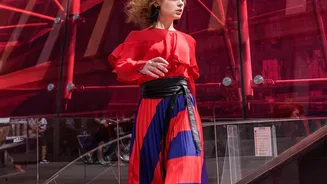
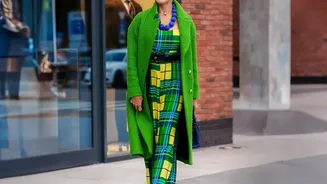
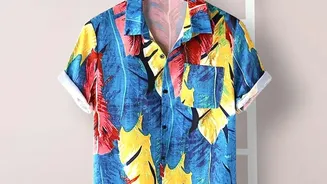
While past seasons may have been defined by a single 'it' color, August 2026 was about unexpected color pairings and strategic pops of brightness. Turquoise emerged as a popular accent shade, appearing on everything from sequinned tees to fringed clutch bags, often used to punctuate an otherwise monochrome outfit. However, it was far from the only story. Instead of a singular palette, attendees seemed to be drawing from their own personal color theories. Some opted for one bold colour to make a statement, while others embraced surprising combinations that felt fresh and exciting. This approach suggests a move towards using color as a tool for personal expression rather than following a collective mandate.
The Reign of Practical Footwear
Copenhagen’s reputation for practical, bike-friendly style was once again cemented by its footwear choices. The kitten-heeled flip-flop was a popular choice, offering a slight elevation without sacrificing comfort—a perfect compromise for a long day of shows. This reflects a broader theme of 'wrong shoe theory,' where unexpected or overly casual footwear is paired with more polished outfits to create a sense of effortless cool. The emphasis was on shoes that are stylish but still grounded in reality, a core tenet of the authentic Scandi aesthetic. Whether it was a heeled thong sandal or a pointed-toe mule, the message was clear: you don’t have to suffer for style.