





What is a Community-Run Farm Stay?
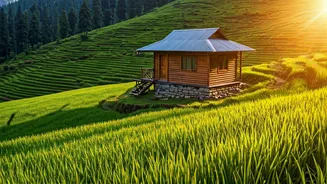
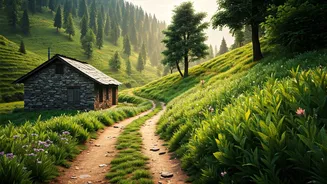
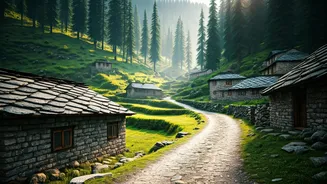
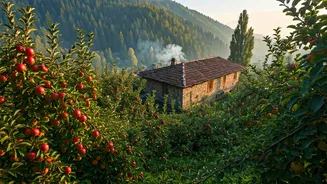
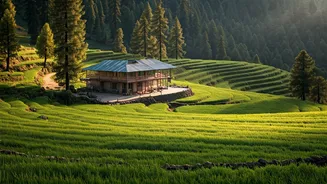
Unlike a commercial hotel or even a standard homestay, a community-run farm stay is an immersive experience rooted in the local way of life. These are not just rooms for rent; they are homes. Travellers stay with local families, often in traditional houses,
sharing meals and participating in daily activities. The 'community-run' aspect is crucial—it means the enterprise is owned, managed, and operated by local people, often as a cooperative. This model ensures that the economic benefits of tourism flow directly back into the community, rather than to outside corporations. It’s a stark contrast to the mass tourism model that often extracts resources and profits, leaving little behind for the residents.
The Search for Authentic Connection
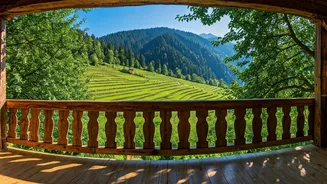
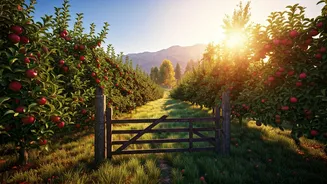
So, why the sudden surge in interest? The trend reflects a profound shift in traveller priorities, largely accelerated by the pandemic. After years of digital saturation and social distancing, people are craving genuine human connection and a tangible link to nature. The appeal of a farm stay lies in its simplicity and authenticity. It offers a chance to disconnect from the hustle of city life and reconnect with the land. Imagine waking up to the crisp mountain air, helping your host pluck vegetables for lunch from their organic garden, and spending evenings sharing stories by a fire instead of scrolling through a screen. This is the 'slow travel' philosophy in action—prioritising experience over a packed itinerary.
Empowering Local Economies Sustainably
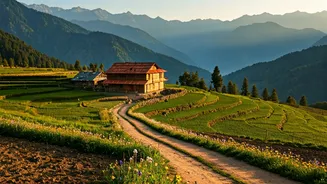
This trend is more than just a feel-good holiday choice; it’s a powerful engine for sustainable development. In many remote Himalayan villages, traditional livelihoods like agriculture are becoming less viable. Community-led tourism provides a crucial alternative source of income that is both dignified and sustainable. It particularly empowers women, who are often at the forefront of managing these farm stays, cooking for guests, and acting as cultural guides. By choosing a community-run stay, travellers are directly investing in the preservation of local culture, architecture, and agricultural practices. It creates a powerful incentive for communities to protect their natural environment and heritage, as these are the very assets that attract conscious travellers.
From Farm to Table, Literally
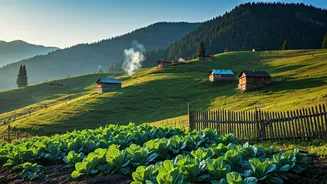
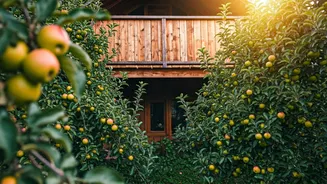
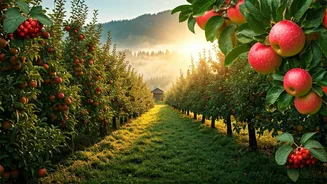
One of the most celebrated aspects of the Himachal farm stay experience is the food. This is the ultimate farm-to-table journey, where the distance from soil to plate can be just a few metres. Guests are treated to hyper-local, seasonal cuisine, cooked with traditional methods. Think fresh tandoori rotis, dals cooked on a wood fire, and sabzis made from vegetables picked just hours before. For urban dwellers accustomed to long supply chains and refrigerated produce, the taste of genuinely fresh, organic food is a revelation. Many hosts are proud to share their culinary heritage, offering informal cooking lessons where guests can learn to prepare local Himachali dishes like siddu, madra, or chha gosht.
How to Be a Responsible Guest
The rising popularity of these stays means it’s more important than ever for travellers to be mindful. To ensure the experience remains positive for both sides, it's essential to approach it with respect and an open mind. Remember you are a guest in someone’s home, not a customer in a hotel. Be conscious of local customs, dress modestly, and be mindful of your resource consumption, especially water and electricity. The best way to engage is to be curious and participate. Ask about their lives, help with small chores if offered, and be open to a different pace of life. Booking through verified community tourism initiatives or state-run tourism portals can also help ensure your money supports genuine local enterprises.