






The Brain-Gut Delay
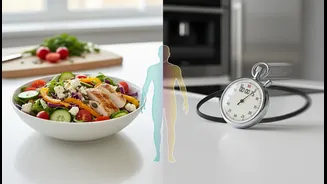
The core of the issue lies in a communication delay between your stomach and your brain. It takes approximately 20 minutes for your brain to receive and process satiety signals—the hormones that tell you you're full. When you eat quickly, you can easily
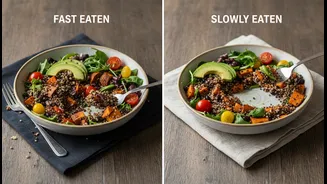
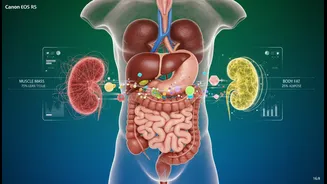
consume more food than your body needs before this signal even arrives. This often leads to that familiar, uncomfortable feeling of being overstuffed. Studies have consistently shown that people who describe themselves as fast eaters tend to have a higher Body Mass Index (BMI) and greater waist circumference. One study in Gujarat, India, found that fast eaters had significantly higher BMI and visceral fat levels compared to their slower-eating counterparts. Slowing down gives your brain the time it needs to catch up with your stomach, allowing you to recognise feelings of fullness and stop eating when you are satisfied, not stuffed.
More Than Just Weight Management
The benefits of pacing yourself extend well beyond managing your weight. Proper digestion actually starts in the mouth. Chewing thoroughly breaks food down into smaller, more manageable particles and mixes it with saliva, which contains enzymes that kickstart the digestive process. When you eat too fast, you often swallow larger chunks of food, forcing your stomach to work harder and increasing the risk of indigestion, bloating, and gas. Furthermore, eating slowly enhances the sensory experience of a meal. By taking the time to notice the tastes, textures, and aromas of your food, you can increase your satisfaction and enjoyment. This practice, often called mindful eating, encourages a healthier and more positive relationship with food, turning meals from a rushed task into a pleasant break in your day.
Simple Strategies to Slow Your Roll
Adopting a slower pace doesn't require a stopwatch or counting every chew. It’s about building new, gentle habits. One of the most effective techniques is to simply put your utensils down between bites. This creates a natural pause, forcing you to slow down without actively thinking about it. Taking regular sips of water during your meal can also help, as it aids in feeling full and encourages you to take a break from eating. Another simple trick is to try using your non-dominant hand to eat or to use smaller utensils like a smaller fork or even chopsticks. These small changes make it physically more challenging to eat quickly, helping you to automatically adopt a more measured pace.
Create a Calmer Meal Environment
Your surroundings play a huge role in your eating speed. Eating while watching TV, scrolling through your phone, or working at your desk are common habits that lead to mindless, rapid consumption. Research shows these distractions make it more difficult to listen to your body's fullness cues. Whenever possible, make eating an exclusive event. Sit down at a table, away from screens. If you eat with others, try to match the pace of the slowest eater at the table. By creating a calm and focused environment, you signal to your brain that it's time to pay attention to your meal, making it easier to eat slowly and mindfully. Even setting aside a dedicated 20 to 30 minutes for a meal can make a significant difference.