






Summer’s Most Versatile Vegetable
While mangoes may claim the title of king of summer fruits, zucchini is making a strong case for being the season’s most valuable player in the vegetable patch. Botanically a fruit but treated as a vegetable in the culinary world, this green gourd is officially
in its prime. Its peak season, from summer through fall, means it's currently at its most flavourful, abundant, and affordable. Though available year-round thanks to modern farming, zucchini tastes best right now. Its subtle, slightly sweet flavour and porous flesh allow it to absorb the taste of whatever it's cooked with, making it an incredibly versatile team player in any dish. This adaptability is precisely why it's appearing in everything from neighbourhood cafe menus to home-cooked meals across the country.
From Fritters to Flatbreads
If your experience with zucchini begins and ends with a simple sabzi or a classic zucchini bread, it’s time to expand your horizons. The current buzz around this squash is driven by the incredibly creative ways people are using it. It's being spiralized into 'zoodles' as a low-carb alternative to pasta, served with everything from a rich avocado sauce to flavour-packed chicken meatballs. It’s being sliced into planks for the grill, stuffed to create 'zucchini boats', and baked into crispy, cheesy fries. You’ll find it shredded into savoury fritters and hash browns, layered into lasagnas, and even served raw in refreshing ribbon salads with lemon and parmesan. This sheer range of applications, from appetisers like zucchini bites to hearty mains, is what makes it the ingredient of the moment.
A Guide to Buying and Storing
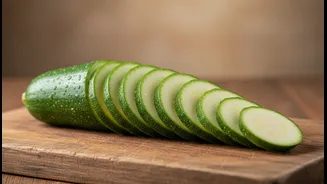
To get the best out of this seasonal star, a little knowledge at the market goes a long way. Look for small to medium-sized zucchinis, typically no longer than six to eight inches. Larger ones tend to be watery, less flavourful, and have tougher seeds. The skin should be firm, smooth, and have a vibrant, glossy appearance, free of blemishes or soft spots. A good portion of the stem still attached is a sign of freshness and longevity. Once you get them home, store them unwashed and whole in the refrigerator. Placing them in a perforated or open plastic bag in the crisper drawer helps maintain the right humidity, keeping them fresh for up to a week or two. Avoid sealing them in a tight bag, as trapped moisture can cause them to become slimy.
Easy Ideas to Get Started
Ready to start cooking? You don't need a complicated recipe. Try slicing zucchini into thick spears, tossing them with olive oil, garlic, and herbs, and grilling them until tender with beautiful char marks. For a quick side dish, simply sauté sliced zucchini with garlic and a sprinkle of chilli flakes. You can also use a vegetable peeler to create thin ribbons, which can be tossed raw with lemon juice, olive oil, fresh mint, and crumbled feta for a crisp salad. Another simple yet elegant preparation is to roast thick slices with lemon and garlic, finishing with a generous grating of parmesan cheese for a side dish that pairs well with almost anything.
A Surprising Nutritional Boost
Beyond its culinary flexibility, zucchini is also packed with nutritional benefits. It is low in calories, fat, and sugar, primarily because it's made up of about 94% water, making it a great food for hydration and weight management. It’s a good source of dietary fibre, which aids in healthy digestion. Furthermore, zucchini is rich in numerous vitamins and minerals, including significant amounts of Vitamin C, Vitamin A, Vitamin B6, and potassium. The skin contains the highest levels of antioxidants like lutein and zeaxanthin, which are beneficial for eye health, so it’s best to leave it on when you cook.