









What Is the 'Run To Meditate' Practice?
Despite its name, the ‘Run To Meditate’ challenge isn’t a competitive race. It’s a structured wellness practice designed to harmonise physical activity with mental stillness. Popularised by organisations like the Heartfulness Institute, this approach
is less about athletic performance and more about preparing the body for a deeper state of meditation. The core idea is simple: engage in a period of brisk walking or light jogging, not to exhaust yourself, but to energise the body and quiet the mental chatter that often gets in the way of a peaceful mind. It's a two-step process that uses movement to achieve stillness.
The Philosophy: Movement Before Stillness
Why walk before you sit? For many, the biggest obstacle to meditation is a restless body and a racing mind. It’s hard to command your brain to be quiet when it’s buzzing with the day's anxieties and to-do lists. The ‘Run To Meditate’ philosophy acknowledges this struggle. By channelling that restless energy into a focused, physical activity like brisk walking, you give your body something to do. The physical exertion helps release endorphins, which are natural mood elevators, and gently tires the muscles. When you finally sit down to meditate, your body is more willing to be still, making it significantly easier for your mind to follow suit. The walk acts as a bridge, transitioning you from the chaos of the outer world to the calm of your inner world.
The Science Behind Mindful Movement
This practice isn't just based on spiritual wisdom; it's backed by modern science. Research consistently shows that aerobic exercise, even moderate walking, has profound effects on the brain. It increases blood flow, delivering more oxygen and nutrients that improve cognitive function. Exercise also stimulates the production of brain-derived neurotrophic factor (BDNF), a protein that supports the growth of new neurons and is often described as 'Miracle-Gro' for the brain. When you follow this physical priming with meditation, you’re essentially creating the perfect neurological conditions for focus and calm. The mind, already sharpened by the walk, is better able to sustain attention and enter a meditative state. It’s a powerful synergy where the body prepares the mind for peak performance.
How to Try It Yourself: A Simple Guide
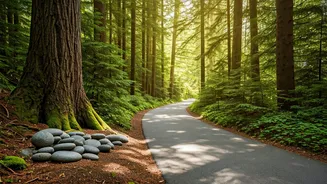
You don’t need to join an official event to experience the benefits. You can create your own ‘Run To Meditate’ routine today. Here’s a simple template to get started: 1. **Set Your Intention:** Before you start, take a moment. Decide that this time is for both your physical and mental well-being. 2. **The Walk (25–30 Minutes):** Find a safe, preferably quiet, place to walk. It could be a park, a quiet lane, or even a treadmill. Maintain a brisk pace—fast enough to raise your heart rate but comfortable enough to sustain without getting breathless. Focus on the sensation of your feet hitting the ground and the rhythm of your breath. 3. **The Cool-Down (5 Minutes):** Gradually slow your pace for the last five minutes of your walk. Allow your heart rate to come down naturally. 4. **The Meditation (15–20 Minutes):** Find a comfortable place to sit immediately after your walk. Close your eyes. Don't try to force thoughts away. Instead, gently turn your attention inward. A simple technique is to focus on the source of light you imagine within your heart. When your mind wanders, as it will, just gently guide it back to this point of focus. Don’t judge or get frustrated; the act of returning your focus is the practice itself.
Tips for a Better Experience
To make the practice more effective, keep a few things in mind. First, stay hydrated but avoid a heavy meal right before. Second, wear comfortable clothing and shoes that won’t distract you. Third, and most importantly, be consistent. Like any skill, the benefits of this practice compound over time. Try to do it at the same time each day to build a strong habit. Finally, let go of expectations. Some days your meditation will feel deep and peaceful; other days it will be a struggle. Both are perfectly normal parts of the journey.