





With the cost of living on the rise, the latest inflation forecasts are causing concern. For homeowners with floating-rate loans, this isn't just news—it's a direct signal that your monthly EMIs could be heading north sooner than you think.
The Inflation-EMI Connection
The relationship
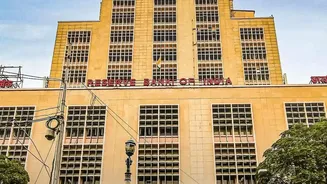
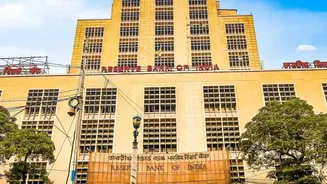
between the price of everyday goods and your home loan might seem distant, but it's a direct line. When inflation rises, meaning the general cost of goods and services is increasing, the Reserve Bank of India (RBI) often steps in. Its primary tool to cool down the economy and control prices is the repo rate—the rate at which it lends money to commercial banks. An increase in the repo rate makes money more expensive for banks. They, in turn, pass that cost on to consumers by increasing interest rates on loans, including home loans. This is why a rising inflation number is a flashing signal for anyone with a floating-rate loan.
Why Floating-Rate Loans Are in Focus
Home loans in India primarily come in two flavours: fixed and floating. A fixed-rate loan locks in your interest rate for a specific period, protecting you from market fluctuations. A floating-rate loan, however, is linked to an external benchmark, which for most loans taken since 2019 is the RBI's repo rate. This means your interest rate adjusts periodically based on changes in the repo rate. When the RBI hikes its rate, your bank will increase your loan's interest rate at the next 'reset date' specified in your loan agreement. This can result in either a higher Equated Monthly Instalment (EMI) or a longer loan tenure. Fixed-rate loans are not immediately affected, giving their holders temporary peace of mind.
What the Latest Forecasts Say
As of late November 2026, the economic outlook suggests a period of heightened vigilance is warranted. Retail inflation for October 2026 breached the RBI's upper tolerance limit of 6%, coming in at 6.09%. This has led to a strong consensus among economists that another repo rate hike is on the cards at the RBI's upcoming Monetary Policy Committee (MPC) meeting in early December. Following a 25-basis-point (0.25%) hike in October that took the repo rate to 5.50%, many economists now expect another 25-basis-point increase in December, which would push the repo rate to 5.75%. Some forecasts even suggest the rate could climb to 6.25% by mid-2027.
Potential Impact on Your Wallet
A small change in percentage points can have a significant impact over the long tenure of a home loan. A 25-basis-point (0.25%) hike, for example, translates to a tangible increase in your monthly outgo. On a ₹50 lakh loan with a 20-year tenure, such a hike could increase your EMI by approximately ₹800 per month. For a larger loan of ₹75 lakh, the monthly increase would be around ₹1,200. When your rate is reset, banks must offer you the choice: pay a higher EMI or extend the loan's tenure while keeping the EMI the same. Opting for a longer tenure might seem easier on the monthly budget, but it means you will pay significantly more in total interest over the life of the loan.
Strategic Options for Borrowers
Being on alert doesn't mean being helpless. Borrowers have several strategic options to consider. The most effective is making partial prepayments. Using any available surplus funds to pay down your principal amount can reduce your overall interest burden, especially before rates rise further. Even prepaying the equivalent of one extra EMI per year can shorten your loan tenure considerably. Another option is to request your bank to increase your EMI rather than extend the tenure, which saves you money in the long run. For those with loans still linked to older benchmarks like the MCLR, it may be a good time to assess the costs and benefits of switching to a repo-linked (EBLR) loan, which is often more transparent and lower. Finally, reviewing your monthly budget to create a buffer for potentially higher EMIs is a prudent step for any floating-rate borrower today.