



The Pervasive Plastic Problem
Microplastics are tiny plastic particles, less than five millimeters long, that come from a variety of sources, including synthetic clothing, tire wear, and the breakdown of larger plastic debris. They are now found everywhere, from the deepest oceans
to our drinking water. These minuscule particles are incredibly difficult to remove using conventional water treatment methods. Their presence is a major concern not only for environmental health but also for human health, as they can carry other pollutants and degrade into even smaller, more mobile nanoplastics.
From Agricultural Waste to Water Purifier
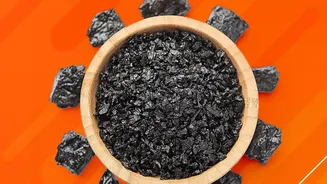
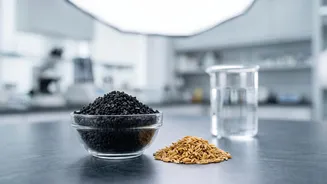
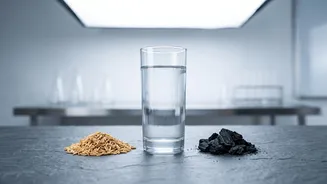
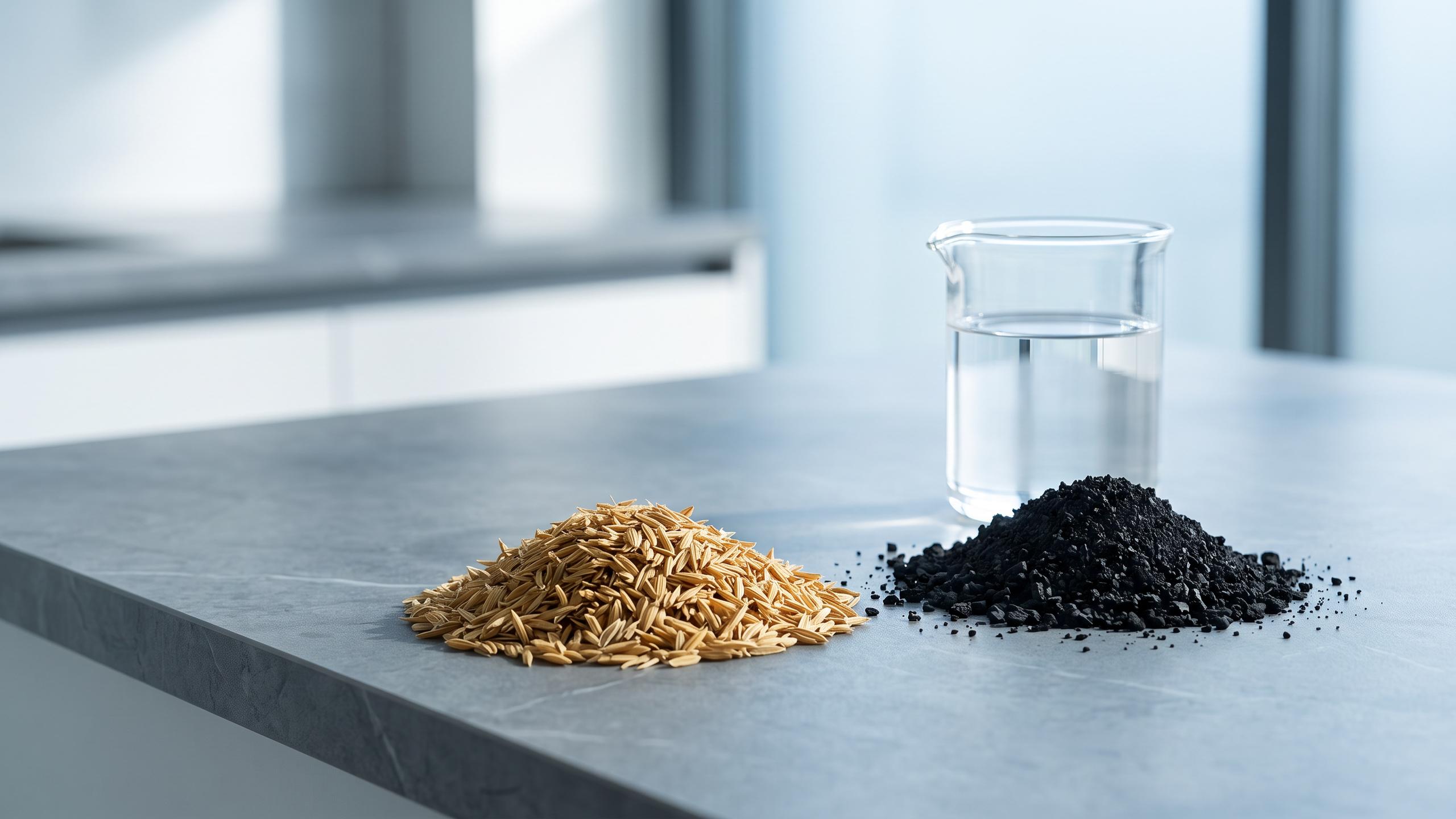
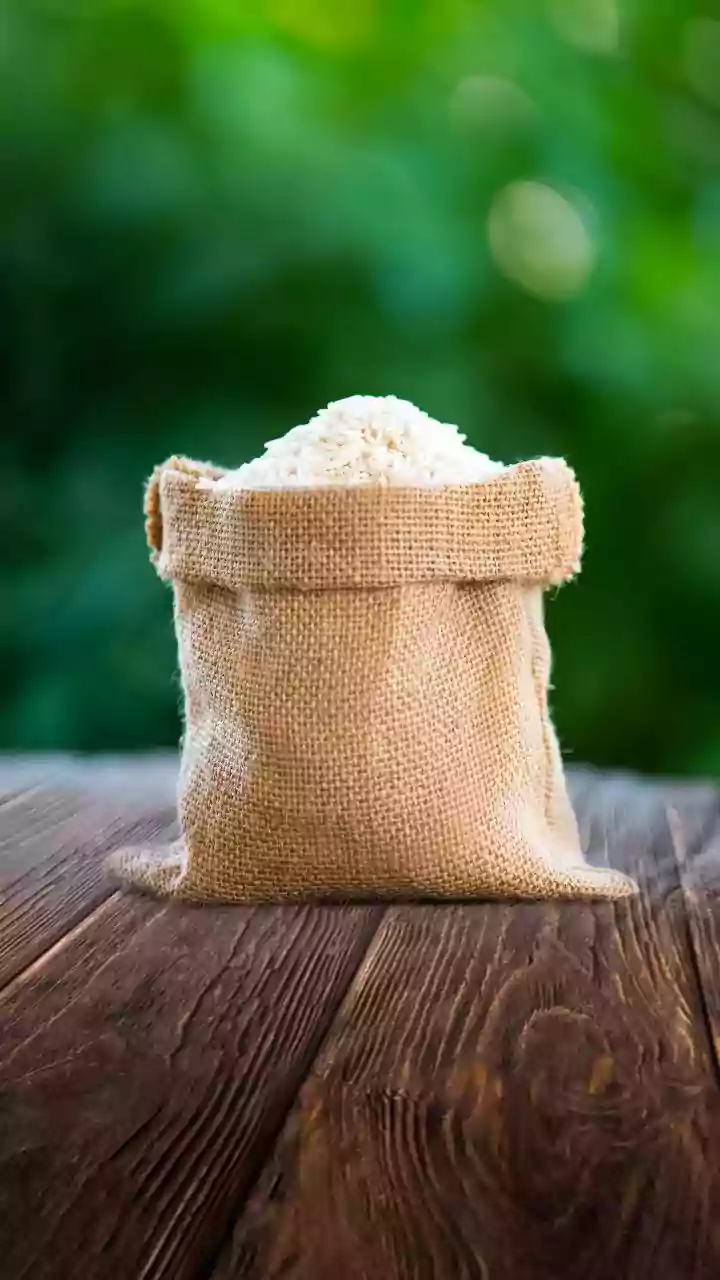
The solution may lie in a surprisingly humble material: bio-char. Bio-char is a black, carbon-rich substance similar to charcoal. It is produced by heating biomass, such as wood, agricultural residue, or animal manure, in a low-oxygen environment through a process called pyrolysis. Scientists have discovered that bio-char made from rice husks—a plentiful agricultural byproduct, especially in countries like India—is remarkably effective at capturing microplastics. This turns a widespread waste product into a valuable resource for environmental remediation.
The Science of Trapping Plastics
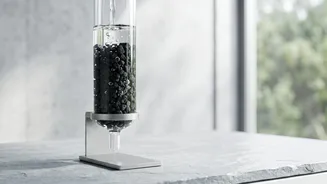
How does it work? The magic is in the structure. The pyrolysis process gives bio-char an incredibly porous, honeycomb-like structure with a vast surface area. For instance, bio-char from woody agricultural residues can have a surface area as high as 500 square meters per gram. These pores and complex surfaces act as a physical trap for microplastic particles. As water passes through the bio-char filter, the plastic particles get stuck. But it's not just physical trapping; various chemical interactions, including hydrophobic and electrostatic forces, also help the bio-char's surface to attract and hold onto the plastic particles.
Why 'Low-Cost' Is a Game-Changer
While highly effective filtration technologies like activated carbon exist, they can be expensive to produce and operate. This is where bio-char shines. Because it can be produced from readily available, low-cost biomass like rice husks, it represents a much more affordable and sustainable alternative. This cost-effectiveness is crucial for enabling widespread adoption, particularly in rural and developing regions that may not have the resources for expensive, high-tech water treatment plants. Using locally generated waste biomass also reduces transportation costs and supports a circular economy.
Impressive Results and Future Potential
Laboratory studies have shown just how effective this method can be. Research has demonstrated that bio-char can remove over 90% of microplastics from water under controlled conditions. Some studies using specially engineered or modified bio-char have even achieved removal rates of up to 99%. For example, one field study found that a filter made with rice husk bio-char reduced tire wear particles—a major source of microplastics—in stormwater runoff by an average of 97.6% on its first use. These promising results suggest bio-char could be integrated into existing water treatment systems, such as in fixed-bed columns or sand filters, to add a crucial layer of defense against microplastic contamination.
The Road Ahead
Despite the promising lab results, there are still challenges to address before bio-char filters become a global standard. Researchers are working to optimize the production process for different types of biomass and to understand how bio-char performs over the long term under real-world conditions, which are far more complex than a lab setting. Questions about how often filters would need to be replaced and how to dispose of the used, plastic-laden bio-char are also being investigated. However, the potential to turn a common waste product into a key tool for ensuring cleaner, safer water is a powerful motivator for continued innovation in this field.