





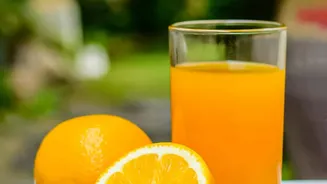
The Gold Standard: Whole Fruit
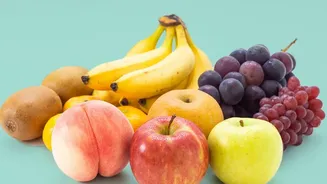
Eating a fruit in its natural, whole form is the undisputed champion of nutrition. The biggest advantage lies in its dietary fibre content. The skin and pulp are packed with fibre, which plays several crucial roles in your body. Fibre slows down the absorption
of sugar into your bloodstream, preventing the sharp spikes and subsequent crashes in energy that can come from consuming sugar in a liquid form. This slow release of sugar gives whole fruit a lower glycemic index, meaning it has a gentler effect on blood sugar levels. Furthermore, fibre helps you feel fuller for longer, which can prevent overeating. Chewing a whole apple simply takes more time and effort than drinking a glass of juice, contributing to this feeling of satiety. Beyond fibre, many important vitamins and antioxidants are bound to the fruit's pulp and skin, so eating it whole ensures you get the complete package of nutrients.
Freshly Squeezed Juice: A Compromise
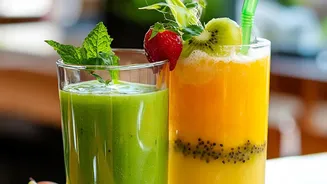
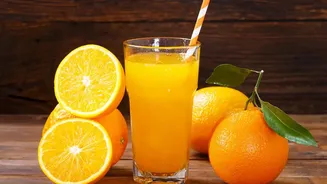
When you juice a fruit, even if it’s freshly squeezed at home, you fundamentally change its nutritional profile. The primary loss is the insoluble fibre, which is separated from the liquid during the juicing process. While you still get many of the vitamins and minerals, you lose the key benefit of fibre slowing down sugar absorption. Without the fibre, the natural fruit sugars (fructose) are absorbed by the body much more quickly, leading to a more rapid rise in blood sugar levels. It's also easy to consume a much larger quantity of fruit in juice form than you would eat whole. A single glass of orange juice might contain the sugar of three or four oranges, which is far more than most people would eat in one sitting. The juicing process itself, especially with high-speed centrifugal juicers, can also introduce heat and oxidation, which can degrade sensitive nutrients like vitamin C and certain antioxidants. Cold-pressed juices may retain more nutrients due to less heat and oxidation, but they still lack the crucial fibre.
Packaged Juice: Read the Fine Print
Packaged juice is the most processed option and requires careful label-reading. Even products marked '100% juice' are not nutritionally equivalent to whole fruit. They are often made 'from concentrate', a process that involves extracting the juice, removing the water, and then rehydrating it later. This heavy processing, which often includes pasteurisation (heat treatment) to extend shelf life, can significantly reduce the content of heat-sensitive vitamins and beneficial plant compounds. The bigger concern, however, is juice that isn't '100% juice'. Products labelled as 'juice drink', 'nectar', 'beverage', or 'cocktail' often contain a small amount of actual fruit juice and a large amount of added sugar, water, and artificial flavours. These added sugars contribute empty calories and have a similar effect on blood sugar as soda. Even some '100% juice' products can have 'flavour packs' added back in to taste fresh after processing.
How to Decode a Juice Label
When navigating the juice aisle, the ingredient list is your most reliable guide. Ingredients are listed in descending order by weight, so the first few ingredients make up most of the product. First, look for the '100% juice' label. If you see terms like 'juice drink' or 'fruit cocktail', be wary. Next, check the ingredient list for added sugars. These can be disguised under many names, including high-fructose corn syrup, sucrose, dextrose, cane juice, and fruit juice concentrate. If sugar is one of the first few ingredients, the product is more of a sugary drink than a fruit product. Pay attention to the 'Total Sugars' and 'Added Sugars' lines on the nutrition panel. Total sugars include both the natural sugars from the fruit and any added sweeteners, while the 'Added Sugars' line tells you how much has been put in during processing. Choosing products with zero grams of added sugar is always the best bet.