


Beyond the Postcard Picture
For generations, travel often meant a checklist: see the famous monument, take the photo, and move on. Tourism was about visiting a place. Today, that model is being flipped on its head. Experience-first travel, also called experiential or immersive travel, is about actively
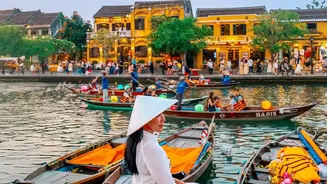
participating in a destination's culture, not just observing it from a distance. It’s the difference between watching a chef on TV and taking a cooking class to learn regional recipes firsthand. Instead of just sightseeing, travellers are seeking hands-on engagement, authentic connections, and personal growth. They want to return home with a new skill, a fresh perspective, and a story to tell, not just a souvenir.
The New Drivers of Travel
Several factors are fuelling this significant shift. The post-pandemic world has left people with a deeper desire for meaningful connections and a renewed appreciation for personal wellness. For many, this translates into seeking travel that is restorative and enriching. Furthermore, the rise of social media has, paradoxically, created a hunger for authenticity. While curated feeds still exist, the most compelling travel stories are now about unique, unfiltered moments. Younger demographics like Gen Z and Millennials, who are increasingly driving travel decisions, prioritise collecting memories over material possessions. They are planning trips around specific interests, from cultural deep dives to outdoor adventures.
What It Looks Like in India
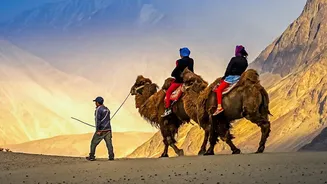
This trend is unfolding vibrantly across India's diverse landscape. Instead of just booking a hotel, travellers are opting for homestays in regions like Uttarakhand and Himachal Pradesh to live with local families, participate in farming, and understand a different way of life. Culinary tourism is booming, with travellers planning entire trips to taste authentic Laal Maas in Rajasthan or learn the secrets of coastal cuisine in Kerala. Music and arts festivals like Ziro in Arunachal Pradesh or the Hornbill Festival in Nagaland have become powerful magnets, drawing thousands who build their holidays around these events. Even spiritual and wellness tourism is evolving, with destinations like Rishikesh seeing a surge in visitors looking for yoga, meditation, and holistic retreats.
A Boost for Local Economies
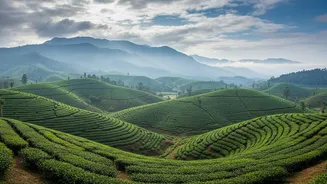
This move towards experiential travel has significant economic benefits. It helps decentralise tourism, shifting the focus from overcrowded hotspots to lesser-known regions. When a traveller stays in a village homestay, learns a local craft, or hires a local guide, more of the money spent stays within the community, directly supporting livelihoods. This fosters a more sustainable model of tourism that values and helps preserve local culture and traditions, rather than commercialising them superficially. The Indian experiential travel market is projected to grow significantly, indicating a structural shift towards a more resilient and locally anchored tourism economy.
The Road Ahead
As the demand for authentic experiences grows, the Indian tourism industry is adapting. There's a stronger focus on developing theme-based circuits, like spiritual or heritage trails, and promoting niche activities. The government's push for developing infrastructure in remote areas and supporting initiatives like homestays is helping to build capacity. The challenge lies in ensuring this growth is sustainable. Managing visitor numbers to avoid overwhelming local communities and environments, while maintaining the authenticity of the experience, will be crucial. For travel operators and hosts, the key will be to offer genuine, high-quality experiences that go beyond buzzwords and truly connect the traveller to the heart of a place.