





The Ancient Grain's Modern Renaissance
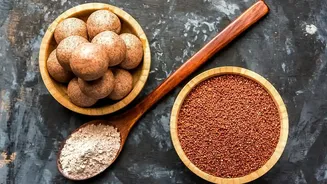
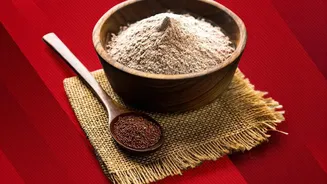
For centuries, millets like jowar (sorghum), bajra (pearl millet), and ragi (finger millet) were staples in Indian households, especially in the form of flatbreads like bhakri and rotis. These grains, known for their resilience in harsh, dry climates,
were the foundation of daily meals. However, with the rise of refined wheat flour, millets gradually took a backseat. Now, thanks to a growing awareness of health and wellness, these humble grains are being rediscovered. This isn't just about nostalgia; it’s about recognizing the powerful nutritional profile that our ancestors relied upon, and adapting it for our modern lifestyles.
The All-Important Fiber Factor
The primary reason for millet's resurgence is its incredible fiber content. For those consciously trying to increase their fiber intake, millet breads are a game-changer. A single bajra roti, for instance, contains more fiber than its wheat counterpart. This high dietary fiber is crucial for several reasons. It aids in healthy digestion, promotes a feeling of fullness (satiety), and helps prevent overeating, making it a powerful ally in weight management. This feeling of being full for longer is exactly what conscious snackers are looking for to avoid unhealthy cravings between meals.
Managing Energy and Blood Sugar
Unlike snacks made from refined flour that can cause a rapid spike and subsequent crash in blood sugar, millets offer a more stable source of energy. They have a lower glycemic index, which means the carbohydrates are digested and absorbed more slowly. This slow release of glucose into the bloodstream is particularly beneficial for individuals with diabetes or those looking to maintain steady energy levels throughout the day. Choosing a millet-based snack can help prevent the afternoon slump and keep you focused and productive.
Beyond Fiber: A Nutrient Powerhouse
While fiber is the star, millets are packed with other essential nutrients. They are naturally gluten-free, making them an excellent choice for people with gluten sensitivities or celiac disease. Different millets boast unique benefits: ragi is a fantastic source of calcium, crucial for bone health, while bajra is rich in iron and protein, helping to combat fatigue and repair muscle. Jowar is also a great source of protein and fiber. Furthermore, millets are loaded with minerals like magnesium and antioxidants that support overall health, from heart function to protecting cells from damage.
From Roti to Convenient Snacking
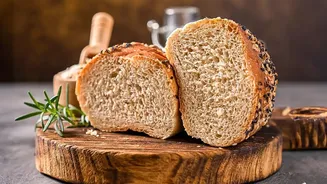
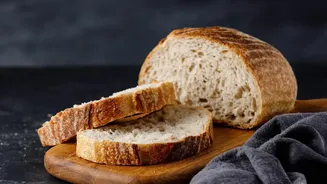
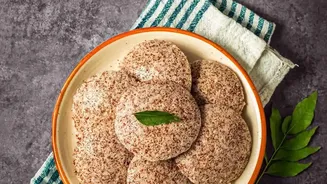
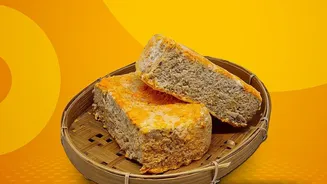
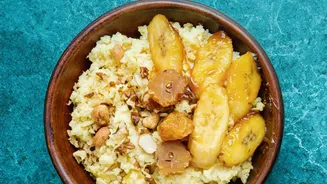
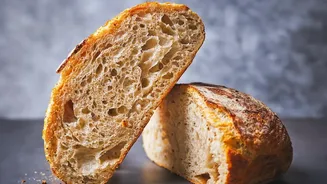
The renewed interest in millets has sparked innovation. While traditional bhakris and rotis remain a healthy choice, the market is now flooded with convenient, modern options. You can find everything from sourdough-style millet loaves and multigrain breads to millet-based crackers, cookies, and even puffed snacks. This evolution from a traditional meal component to a grab-and-go snack has made it easier than ever to incorporate these nutritious grains into a busy schedule, perfectly catering to the needs of today's health-conscious consumer.