






The Discomfort of a Delayed Monsoon
Across India, people are waking up not to the cool, rain-washed air of a typical monsoon morning, but to oppressive warmth and humidity. Delhi, for instance, recently recorded its warmest morning in two years. [17, 22] This phenomenon isn't just about
daytime heat; it’s the lack of overnight cooling that is making the delay in seasonal rainfall feel particularly acute. Normally, monsoon showers, even brief ones, help lower nighttime and early morning temperatures. Without them, the heat from the previous day lingers, creating a cycle of compounding warmth that leaves residents feeling drained and perpetually waiting for the sky to open up. This pre-dawn discomfort is a tangible symptom of a much larger issue: a monsoon that has stalled.
A Monsoon on Pause
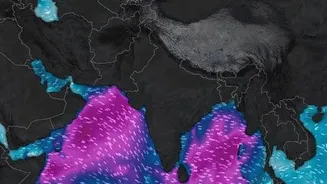
June 2026 is on track to be one of the driest in years. [3, 6] The southwest monsoon, after making its arrival over Kerala on June 4, has progressed sluggishly and stalled for long periods. [4, 9] This has resulted in a significant national rainfall deficit of over 40% for the month. [3, 4] Regions like central India are facing shortfalls of over 50%. [3] While a few states have received normal rainfall, the vast majority of the country has been left waiting. [3] Meteorologists note that while the monsoon officially arrived, it has been weak, with satellite imagery showing a startling lack of widespread rain-bearing clouds over the subcontinent. [4] This pause has been attributed to a combination of unfavourable weather patterns, which has prevented the monsoon from gaining the momentum needed to cover the country as expected.
Ripple Effects on Farms and Cities
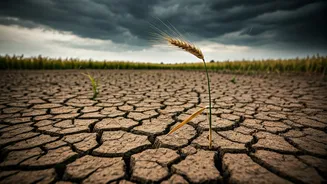
The consequences of this faltering monsoon extend far beyond personal discomfort. For India's agricultural sector, the delay is critical. The June-September rains are vital for the Kharif sowing season, and with fields remaining dry, many farmers are delaying planting crops like rice, soybeans, and cotton. [10, 13] This uncertainty threatens not only their livelihoods but also national food security and could lead to rising food prices. [18] Urban centres are also feeling the strain. Water levels in the country’s major reservoirs have dropped significantly, prompting concerns about drinking water supplies and hydropower generation. [5, 13] In cities like Mumbai, which faced its own prolonged dry spell before receiving recent showers, authorities have had to implement water restrictions. [10, 23] The weak start to the monsoon puts immense pressure on already-stressed groundwater reserves, as both farmers and cities are forced to pump more to meet their needs. [10, 18]
Is Relief in Sight?
The India Meteorological Department (IMD) has forecast that conditions are becoming favourable for the monsoon to revive and advance into northern states over the next week. [8, 17] A potential strengthening is expected to help the system cover more of central India by early July. [3] However, the shadow of a developing El Niño event looms over the rest of the season. [12, 14] El Niño, a warming of the Pacific Ocean, is historically linked to weaker monsoon rainfall over India and could mean that even after this break, the season may see prolonged dry spells. [12, 18] While some rainfall is expected in the coming days, which should bring temperatures down from the heatwave conditions seen in areas like Uttar Pradesh, the overall outlook remains cautious. [8, 20] The crucial months of July and August will determine whether the country can overcome the significant deficit built up in June.