





The Biggest Myth: All Parks Are Closed
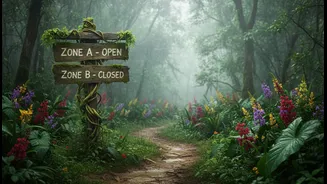
The most common assumption is that all national parks in India shut down from July to September. While it's true that most core zones of major tiger reserves close for animal breeding and safety reasons, this doesn't mean the safari season is over. Many
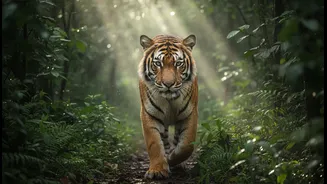
parks keep their buffer zones open, and some, particularly in Southern India, remain accessible year-round. Parks like Jim Corbett, Ranthambore, Tadoba, and Pench offer safaris in specific, designated zones throughout the monsoon. For instance, in Ranthambore, while zones 1-5 are closed, zones 6-10 welcome visitors, offering a different but equally compelling experience. Similarly, Jim Corbett keeps buffer zones like Jhirna, Dhela, and Sitabani operational for jeep safaris.
The Monsoon Advantage: Why You Should Go
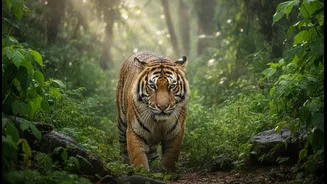
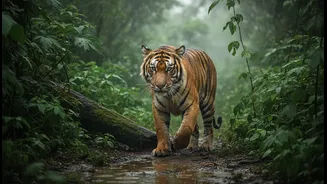
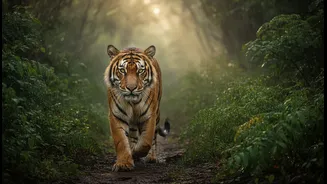
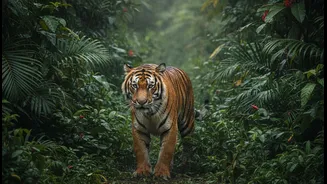
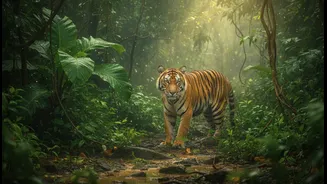
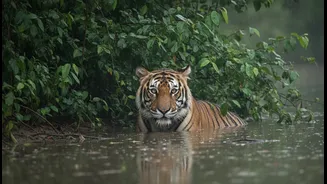
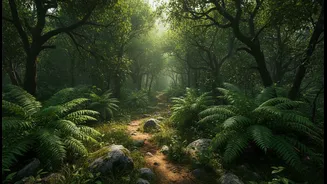
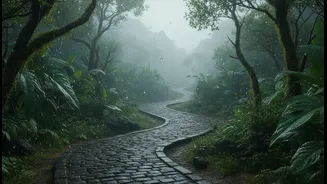
A monsoon safari is not a compromise; it's a completely different way to experience the wild. The forests transform into a vibrant, emerald paradise, with the smell of wet earth filling the air. This season is a photographer's dream, with dramatic skies, misty landscapes, and thriving water bodies creating stunning visuals. With fewer tourists, the experience is more serene and intimate, allowing you to appreciate the sounds of the jungle without constant vehicle noise. The rain also alters animal behaviour; some guides note that big cats may use the safari tracks more often to avoid the tall, wet grass, and the fresh greenery brings out herds of herbivores.
Choosing Your Destination
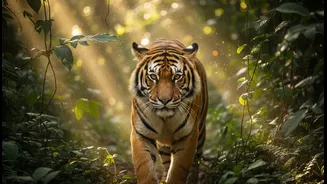
Where you go depends on what you want to experience. Tadoba-Andhari Tiger Reserve in Maharashtra is a top choice for tiger sightings, with its buffer zones like Moharli and Kolara remaining open. Ranthambore in Rajasthan offers dramatic landscapes and the chance to see tigers against a green backdrop. In the north, Jim Corbett National Park provides a classic jungle experience in its accessible zones. Down south, parks in Karnataka like Nagarhole (Kabini) and Bandipur are famed for large elephant herds and potential leopard sightings near the swelling backwaters. Periyar National Park in Kerala offers a unique experience with boat safaris on the lake, which is especially beautiful during the rains.
Navigating the Challenges
A monsoon safari is an adventure, and that includes navigating some challenges. Heavy rainfall can make tracks muddy and slippery, and safaris can occasionally be cancelled for safety reasons, so flexibility is key. The humidity is high, and insects, especially leeches in certain areas, are a reality. Wildlife sightings can sometimes be more challenging due to dense foliage, though this is not always the case. It's crucial to book your safaris well in advance, as the number of permits is often limited in the operational zones. Always check the official park websites for the most current information on open zones and booking procedures.
Packing for a Wet Wilderness
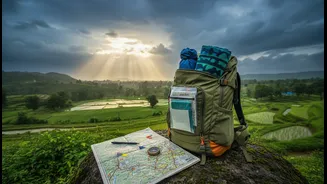
Your packing list is critical for a comfortable trip. Prioritise lightweight, quick-drying clothes in neutral, earthy tones. Long-sleeved shirts and trousers are essential for protection from insects and prickly plants. A reliable, lightweight waterproof jacket or poncho is non-negotiable. For footwear, waterproof shoes with good grip are vital; some travellers also swear by leech socks as a preventative measure. Protect your electronics with dry bags or waterproof covers for your camera and phone. A powerful insect repellent, a good headlamp for early mornings, and extra pairs of quick-dry socks will make a world of difference.