



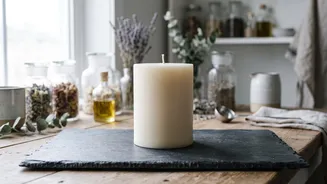
The allure of creating custom scented candles at home is undeniable. It’s a creative, rewarding hobby, but working with hot, flammable wax requires care. Understanding the principles of heat safety is key to keeping it a fun and safe activity.
The Core Hazard: Hot, Flammable Wax
The primary
danger in candle-making is straightforward: you are melting a solid fuel into a hot, flammable liquid. Wax itself can catch fire if it gets too hot. Common candle waxes like soy and paraffin have a flash point—the temperature at which they give off enough vapour to ignite near a flame—of around 200°C or higher. While you will be working at temperatures well below this, it highlights the importance of temperature control. An unattended pot of wax on direct heat can quickly become a fire risk. Furthermore, hot wax can cause serious burns if it splashes onto your skin. Recognising these fundamental risks is the first step toward a safe crafting session.
Your Essential Safety Toolkit
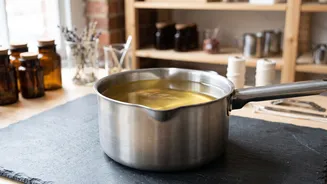
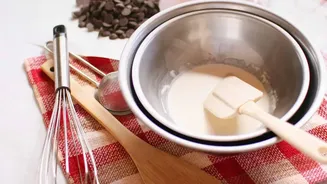
Safe candle-making begins with the right equipment. Using household items that aren't designed for the job is a common mistake that can lead to accidents. The two most critical pieces of gear for heat safety are a double boiler and a thermometer. A double boiler, which you can create by placing a pouring pot inside a larger pot of simmering water, provides gentle, indirect heat. This setup prevents the wax from scorching or overheating, which can ruin its structure, discolour it, and pose a fire hazard. Never melt wax directly in a pot on a burner. A reliable digital or candy thermometer is non-negotiable for monitoring the wax temperature at all times, ensuring you stay within the safe and effective range for melting, adding fragrance, and pouring.
Understanding Wax Temperatures
Different waxes have different ideal temperature ranges. For example, many soy waxes melt around 49-60°C (120-140°F) but are typically heated to around 85°C (185°F) to properly bind with fragrance oils. Heating wax too far above this recommended temperature can cause problems. Overheating can degrade the wax, causing it to discolour or develop a scorched smell. It can also cause the fragrance oil to 'burn off,' weakening the final candle's scent throw. Exceeding the recommended temperature for your specific wax is a safety risk and compromises the quality of your final product. Always follow the temperature guidelines provided by your wax supplier.
The Danger of a Shortcut: Never Use a Microwave
While using a microwave to melt wax may seem like a quick alternative, it is strongly advised against by most candle-making experts. Microwaves heat unevenly, creating dangerous hot spots in the wax that can far exceed safe temperatures without you realising it. This can lead to scorched wax, a weakened scent, or even a fire inside your appliance. Furthermore, many pouring pots and other candle making tools are made of metal and cannot be used in a microwave. Sticking to the double boiler method gives you the slow, even, and controllable heating process that is essential for both safety and a quality result.
Adding Fragrance: The Flash Point Myth
A common point of confusion for beginners is the 'flash point' of fragrance oils, which can sometimes be lower than the recommended temperature for adding them to wax. The flash point is a technical measure of the temperature at which an oil's vapours could ignite if an ignition source is present. In the controlled environment of a double boiler, with no open flame near your pouring pot, adding a fragrance oil to wax that is hotter than its flash point is standard practice and considered safe. The main reason to control fragrance temperature is for scent quality, not fire risk. Adding oils when the wax is too hot can cause the delicate top notes to evaporate. The only major exception is for gel candles, which require special high -flash -point oils due to their higher operating temperatures.
Workspace and Personal Safety
Your environment is as important as your equipment. Work in a clean, organised, and well -ventilated area, away from flammable materials, children, and pets. Protect yourself by wearing closed -toe shoes and an apron to guard against splashes of hot wax. Safety goggles are also recommended. Most importantly, never leave melting wax unattended, even for a moment. If a wax fire does occur, never use water, as it will splatter the burning wax like a grease fire. Instead, turn off the heat source and smother the flames with a metal lid or a proper fire extinguisher.