




The Rise of the 'Shroom Boom'
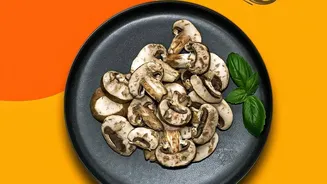
Across metropolitan India, from Delhi and Mumbai to Bengaluru, mushrooms are shedding their reputation as a mere side dish and taking centre stage. This 'shroom boom' is fuelled by a confluence of factors, including a surge in health consciousness, the growing
popularity of plant-based diets, and increased exposure to global culinary trends. Diners are more curious and experimental than ever, and chefs are responding by showcasing the versatility and depth of flavour that different mushroom varieties can offer. The Indian mushroom market itself reflects this, with projections showing significant growth driven by these evolving consumer tastes.
A World Beyond the Button
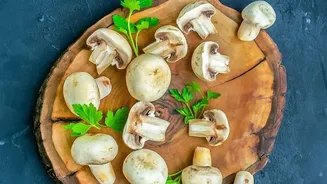
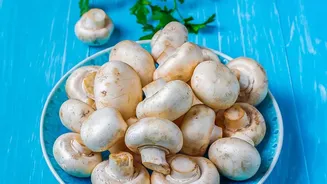
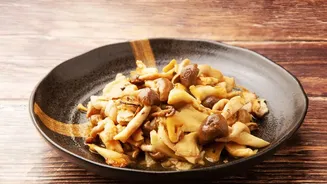
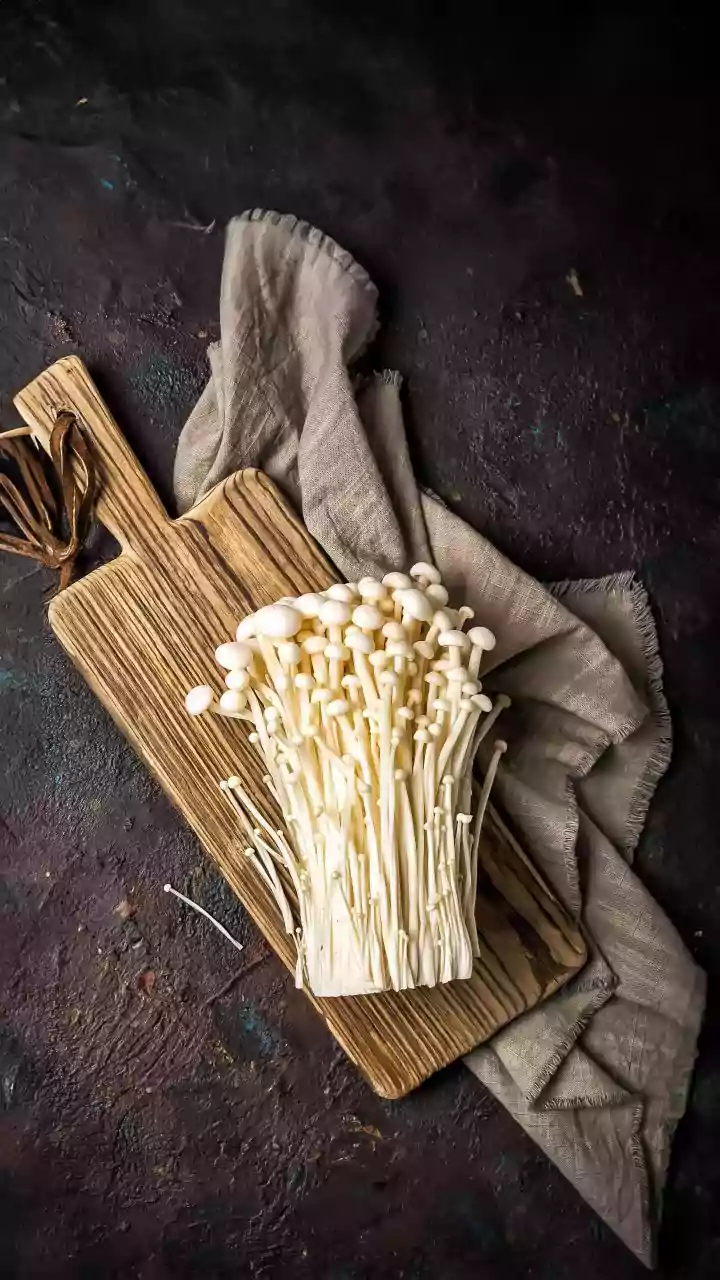
A key part of this trend is the expanding availability of exotic mushroom varieties that were once rare in India. Walk into a premium grocery store or a fine-dining restaurant today, and you are likely to find Shiitake, known for its smoky flavour; Oyster mushrooms, with their delicate texture; and large, meaty Portobellos that serve as a satisfying steak substitute. Other varieties like the slender Enoki, clustered Shimeji, and the prized, earthy Gucchi (Morel) are also making frequent appearances, offering a diverse palette of textures and tastes for chefs and home cooks to explore.
The Health and Wellness Angle
The growing focus on wellness is a major driver of the mushroom's popularity. Mushrooms are naturally low in fat and calories, but rich in protein, fibre, vitamins, and minerals. For the rapidly expanding vegetarian and vegan population in urban India, mushrooms provide an excellent meat substitute, thanks to their satisfyingly dense texture and rich, savoury 'umami' flavour. As consumers increasingly look for nutrient-dense, plant-based options, mushrooms have become a go-to ingredient for a meal that feels both indulgent and healthy.
Chefs Get Creative
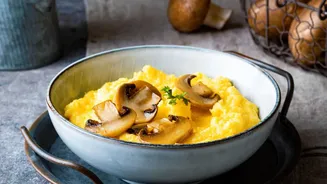
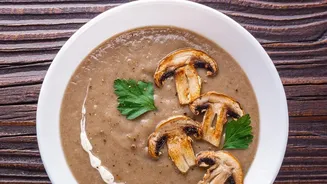
Indian chefs are embracing the mushroom with creativity and flair. They are moving beyond traditional preparations like mushroom masala and exploring innovative applications. You might find mushroom tikka tacos, rich mushroom-based pasta dishes, or a flavourful biryani where mushrooms are the hero. Some restaurants are crafting entire menus around seasonal, foraged mushrooms like the prized Goan 'Olmi'. This culinary experimentation is not just about novelty; it's about showcasing the mushroom's ability to absorb spices, provide texture, and add a deep, savoury dimension to both Indian and international dishes.
From Local Farms to Urban Tables
This culinary trend wouldn't be possible without a corresponding boom in local cultivation. A growing number of farms across India, some located on the outskirts of major cities like Delhi and Bangalore, are now specializing in growing a wide variety of gourmet mushrooms year-round. These farms use controlled environments to ensure a consistent, high-quality supply for restaurants and consumers, making exotic varieties more accessible and affordable than ever before. This local supply chain is crucial, allowing chefs to put mushrooms on the menu with confidence, knowing they have a reliable source.