
From Full to Functional
For generations, the Indian plate has been a vibrant celebration of carbohydrates, fats, and flavour. Meals were designed to be filling, comforting, and delicious. But a shift is underway. An increasing number of urban Indians are now looking at their
food as fuel for long-term wellness, not just short-term satisfaction. This pivot towards preventive nutrition means a greater focus on what our food can do for us. According to the Godrej Food Trends Report 2026, the conversation is expanding beyond single nutrients to a more holistic view of health, targeting deficiencies in fibre, Vitamin D, and B12 that are common in modern lifestyles. People are becoming more deliberate, reading labels more carefully, and questioning what makes it onto their plates. This isn't about rejecting tradition, but upgrading it with nutritional wisdom.
The Great Millet Revival
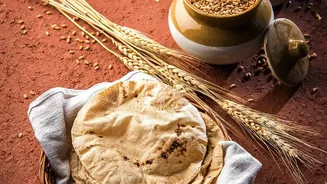
Once seen as humble, rustic fare, millets are making a spectacular comeback. Championed for their resilience to climate change and dense nutritional profile, ancient grains like ragi (finger millet), jowar (sorghum), and bajra (pearl millet) are moving from the periphery to the mainstream. This resurgence is backed by both government initiatives and a growing consumer demand for healthier, gluten-free alternatives to wheat and rice. Startups and established brands are rolling out an array of millet-based products, from breakfast cereals and snacks to ready-to-cook flours. Though challenges in processing and consumer awareness remain, the trend is clear: millets are being rebranded as a modern superfood, deeply rooted in Indian heritage.
The Search for Protein
Protein deficiency has been a long-standing issue in India, with studies showing that a vast majority of the population consumes inadequate amounts. However, awareness is catching up. The 'proteinification' of the Indian diet is a significant trend, moving beyond the niche market of gym-goers and into everyday kitchens. Consumers are actively looking to add more protein to every meal. This has spurred demand for everything from protein-fortified snacks and drinks to a renewed focus on traditional sources like dals, legumes, paneer, eggs, and lean meats. While confusion about the best sources and daily requirements still exists, the conversation has started, and brands are taking notice, launching more high-protein packaged foods to meet the demand.
The Rise of the Superfood
The Indian superfoods market is booming, driven by a growing consciousness around health and wellness. This trend has two fascinating dimensions. First is the rediscovery of indigenous treasures. Ingredients like turmeric, moringa (drumstick leaves), amla (Indian gooseberry), and makhana (fox nuts) are being celebrated for their potent health benefits. Second is the adoption of global superfoods like quinoa, chia seeds, and avocados, which are finding a firm foothold in urban Indian diets. The growth in this segment is supported by rising disposable incomes and the powerful influence of social media, where food bloggers and health influencers popularize these nutrient-dense ingredients. The market for organic products is also expanding rapidly as consumers link clean eating with better health.
The Digital Dietician
The way Indians learn about food is also changing dramatically. Social media has become a powerful, if sometimes unregulated, source of nutritional information. Influencers, food bloggers, and wellness coaches shape eating habits, popularize trends like clean eating and plant-based diets, and create a visual language for healthy living. Studies have shown that social media content can directly inspire people to make healthier choices. This digital exposure introduces consumers to new ingredients, recipes, and dietary philosophies, accelerating the shift towards a more nutrition-focused approach to food. From an Instagram reel on making a smoothie bowl to a YouTube tutorial on sourdough bread, the modern Indian kitchen is increasingly connected to the global digital conversation about health.