







A City-Wide Wake-Up Call
In recent weeks, Karnataka's Food Safety and Drug Administration (FSDA) has deployed dozens of special teams across Bengaluru. This is not a routine check; it's a coordinated enforcement drive targeting a vast range of establishments. Surprise inspections
have been carried out at luxury hotels, prominent pubs, exclusive clubs like the Karnataka State Cricket Association (KSCA) Club, government canteens, and even e-commerce warehouses that supply restaurants. The sheer scale of the operation signals a significant shift in regulatory oversight, leaving both business owners and the dining public to take notice. Officials have stated that this is not a one-time campaign but a sustained effort to enforce hygiene standards across the board.
What Sparked the Sudden Inspections?
The crackdown appears to be a direct response to a rising tide of public complaints. According to the Health and Family Welfare Department, numerous grievances about unhygienic kitchens, poor food quality, and safety violations have been lodged by citizens, many of which gained traction on social media. These complaints, ranging from allegations of substandard ingredients to visible lack of cleanliness, prompted the health minister to order intensified monitoring. Specific concerns were also raised about the use of artificial colours in popular dishes like shawarma and kebabs, leading officials to collect samples for testing. This public pressure, combined with a mandate to ensure compliance with the Food Safety and Standards Act, has culminated in the current city-wide inspections.
Behind the Kitchen Doors
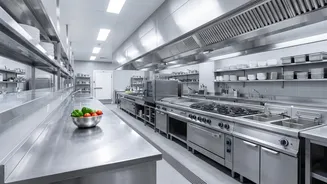
The findings from these raids have been startling, revealing a concerning gap between a restaurant's ambiance and its kitchen's reality. Inspectors have uncovered a host of serious violations. At some of the city’s most upscale clubs and hotels, officials found cockroach infestations, expired food products, and unhygienic food storage areas. In numerous establishments, hundreds of kilograms of meat and fish were seized for being expired, mislabelled, or stored improperly. Other common issues included rotten vegetables with fungal growth, improper segregation of vegetarian and non-vegetarian items, and the use of non-compliant cooking oil. One elite lounge was even temporarily shut down after officials discovered rotten and fungus-infested meat in its kitchen.
Not Just High-End Haunts
While raids on five-star hotels and exclusive clubs have grabbed headlines, the inspections have been comprehensive. Roadside eateries, dhabas, and government-run canteens have also come under scrutiny. Shockingly, even a canteen located within the health department's own complex was found to have expired food and poor hygiene. The drive has also extended to the supply chain, with inspections of warehouses used by quick-commerce companies, some of which were flagged for unhygienic practices and fined. This broad approach underscores the authorities' intent to address food safety as a systemic issue, affecting every link in the chain from supplier to consumer.
What This Means for Diners and Restaurants
For restaurant owners, the message is clear: prioritize kitchen hygiene as much as customer-facing ambiance. Businesses found in violation face notices, fines, and in severe cases, the suspension of their operating licenses. However, officials maintain that the primary objective is not to shut down businesses but to raise awareness and ensure compliance. For consumers, the crackdown is a welcome, if overdue, development. It serves as a powerful reminder that a high price point or a polished decor does not always guarantee food safety. Residents are encouraged to be vigilant and can now use official channels, including QR codes, to lodge complaints about food quality. This partnership between public vigilance and regulatory action is crucial for fostering a safer dining culture in the city.