







The Allure of the Green Season
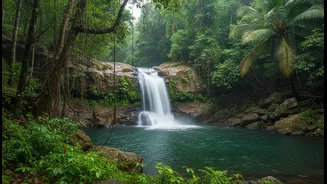
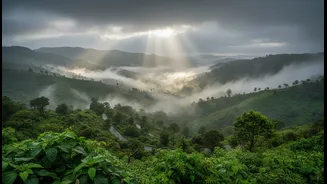
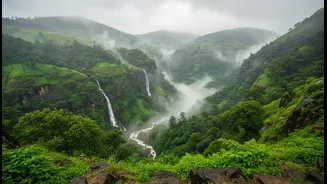
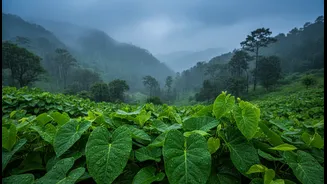
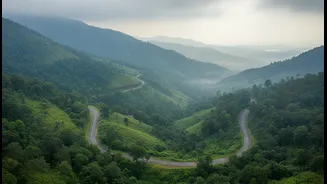
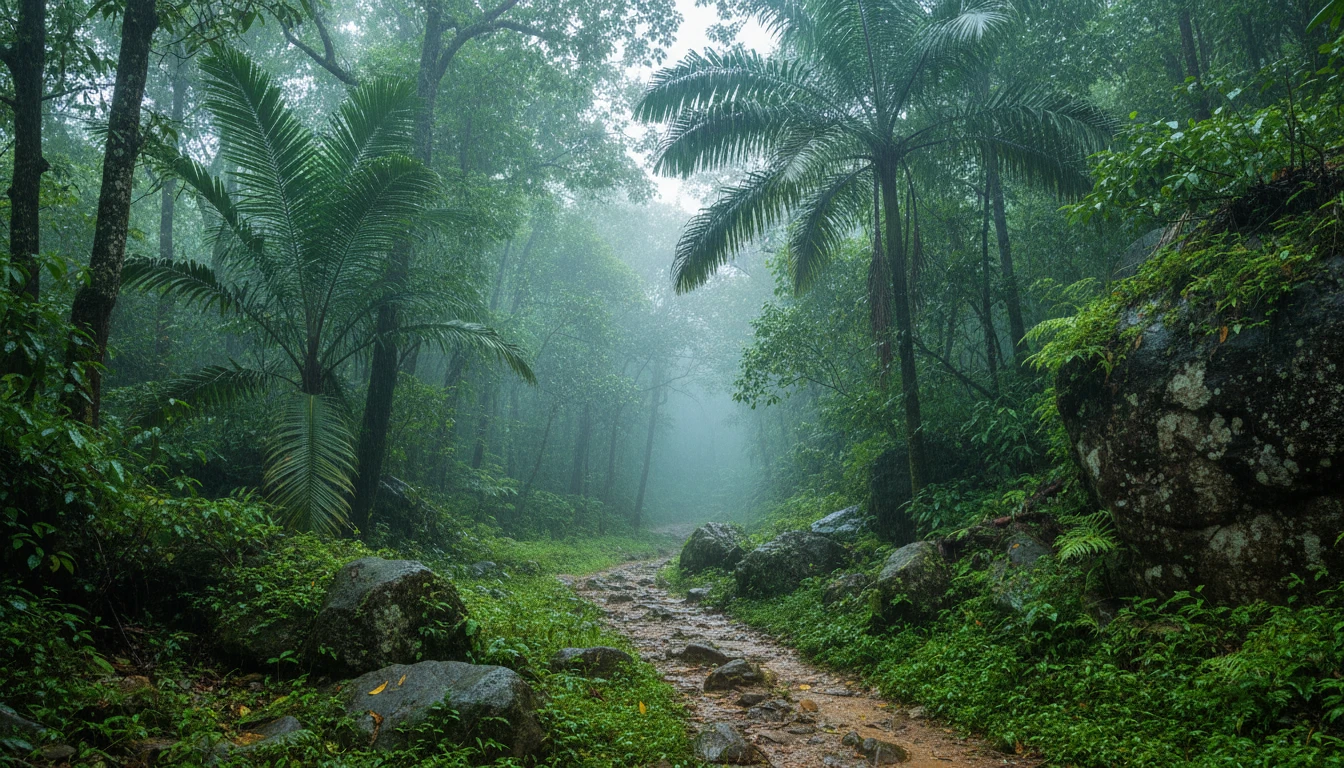
The off-season, particularly the monsoon months, transforms Goa's interior into an emerald paradise. The dusty landscapes of the peak season give way to lush, dense forests, paddy fields glowing with vibrant green, and mist-covered hills. This is when
the Western Ghats, a UNESCO biodiversity hotspot that runs through Goa, truly come alive. Waterfalls like the famous Dudhsagar, which are often reduced to a trickle in the dry months, become powerful, thundering cascades. The air is fresh, clean, and carries the earthy scent of rain-soaked soil. This serene and rejuvenated version of Goa offers a peaceful escape from the crowded coastal belt, providing a tranquil atmosphere perfect for relaxation and reflection.
Unpacking the Off-Season Advantage
The most compelling reason for many to visit during this time is the significant cost savings. With fewer tourists, demand for accommodation plummets, leading resorts and hotels to offer substantial discounts. It's not uncommon to find luxury and eco-resort stays for 30-50% less than their peak season rates. This price drop makes premium properties, which might be out of reach for many during the high season (November to February), suddenly very accessible. Flights and local transport can also be cheaper, making the entire holiday significantly more budget-friendly. This financial advantage allows travellers to experience high-end, sustainable hospitality without the premium price tag.
What Defines a Hinterland Eco-Resort?
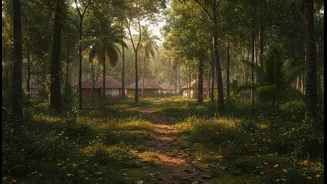
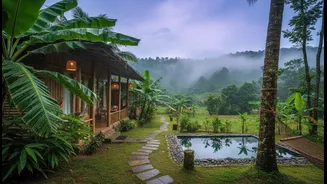
Goa's hinterland eco-resorts are designed to immerse you in nature while minimising environmental impact. Often situated within or near spice plantations, wildlife sanctuaries like Bhagwan Mahavir or Cotigao, or the forested slopes of the Chorla Ghats, these properties prioritise sustainability. They might feature cottages built with local materials, practice rainwater harvesting, grow their own organic produce, and offer experiences rooted in nature rather than commercial entertainment. Staying at one is less about a conventional hotel experience and more about connecting with the local landscape, whether it's through guided nature walks, birdwatching tours, or simply waking up to the sounds of the forest.
Monsoon Activities Beyond the Beach
While ocean swimming is generally unsafe due to rough seas, the monsoon opens up a host of other adventures inland. Trekking and hiking trails in places like the Netravali Wildlife Sanctuary become exceptionally beautiful. The Mhadei River offers thrilling white-water rafting opportunities exclusively during this season. You can take guided tours of spice plantations near Ponda, which are fragrant and vibrant after the rains. Exploring the quiet, cobbled streets of Old Goa's UNESCO World Heritage churches in the mist offers a uniquely atmospheric experience. Other activities include kayaking in calm backwaters, visiting majestic waterfalls, and exploring the quiet, traditional Goan villages.
A Smart Traveller’s Checklist
A monsoon trip to the Goan hinterlands requires some planning. Pack quick-drying clothes, reliable rain gear, and sturdy, non-slip footwear for treks. Insect repellent is a must due to the humidity. While many places are accessible, some remote roads can become challenging, so renting a car or SUV might be more practical than a scooter. It's also wise to check if smaller, seasonal restaurants or shacks are open. Booking your accommodation directly with the resort can sometimes yield even better deals. Embrace the slower pace; rainy afternoons are perfect for reading, enjoying a spa treatment, or simply watching the rain from your balcony with a hot cup of chai.