






Why the Monsoon Sparks a Growth Frenzy
After the intense summer heat, the monsoon provides plants with everything they need to thrive, often all at once. The combination of abundant rainwater, which is naturally nourishing, high humidity, and moderate temperatures creates the perfect storm
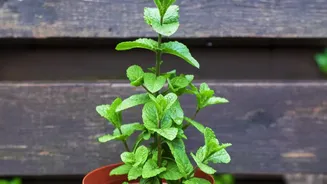
for rapid growth. Plants that were dormant or growing slowly suddenly kick into high gear. This natural boost means plants can grow up to three times faster than in other seasons. The constant moisture keeps the soil damp, and increased humidity reduces water loss from leaves, allowing plants to dedicate all their energy to producing new shoots, leaves, and flowers. This sudden, vigorous growth is why your neat garden rows and planned spaces can feel like they've turned into a wild jungle almost overnight.
The Challenge of Overcrowding
While lush growth sounds good, it has a significant downside. When plants grow too quickly and densely, they start competing for resources. More importantly, the thick foliage traps moisture and prevents air from circulating freely. This damp, stagnant environment is an ideal breeding ground for fungal diseases, which are a common problem during the rainy season. Furthermore, overgrown branches can become heavy and weak, making them susceptible to breaking during strong monsoon winds and downpours. Creepers and vines, in particular, can quickly smother smaller, less aggressive plants, completely changing the look and health of your original garden design.
Pruning: Your Most Essential Monsoon Task
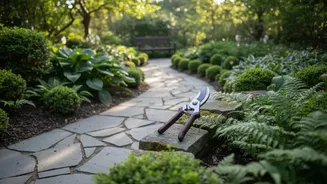
Regular pruning is the single most effective way to manage your garden during the rains. It's not about being aggressive; it's about maintaining health and order. Start by trimming any dead, damaged, or diseased branches to prevent infections from spreading. Thinning out dense areas of foliage allows for better air circulation, which helps leaves dry faster and reduces the risk of fungus. For flowering shrubs and plants, strategic pruning can also encourage more blooms. It's best to prune during a dry spell between rains, as fresh cuts on wet plants can be more vulnerable to infection. Think of it as gently guiding your plants' energy, keeping them shapely and preventing them from becoming a tangled mess.
Provide Support and Direction
Climbing plants, vines, and even top-heavy shrubs need extra support during the monsoon. The combination of heavy rain and strong winds can easily break stems or uproot plants. Before the season gets into full swing, check on existing structures like trellises and stakes to ensure they are secure. For fast-growing creepers, you may need to add new supports or gently tie stray stems to guide their growth. This prevents them from sprawling across the ground or overwhelming neighbouring plants. Using soft ties that won't cut into the stems is crucial. This small step can save entire plants from damage and helps maintain the vertical structure of your garden layout.
Rethinking Your Layout for Next Season
The chaos of one monsoon can be a valuable lesson for the next. As you manage this season's growth, take notes on which plants are the most aggressive growers. This will help you plan a more resilient garden layout for the future. When designing a garden, it helps to think in terms of seasonal changes. Consider giving fast-spreading plants their own dedicated space where they can expand without causing trouble. You might also incorporate more evergreen plants that provide structure year-round without the same explosive seasonal growth. Planning a garden with multiple seasons in mind ensures that your layout remains beautiful and functional, whether it's the dry heat of summer or the wild growth of the monsoon.